WMRA Formalizes Mountain Racing with Age-Group Competitions
"The mountain doesn't care how old you are, but the race course certainly does."
Modern mountain running has evolved from casual scrambles into a highly structured global sport, offering specialized categories that allow athletes to compete against their peers from adolescence through veteran years.
Key Takeaways * The World Mountain Running Association (WMRA) framework provides a continuous competitive path from junior development to master-level excellence. * Race profiles vary wildly, from short, high-intensity climbs to grueling ultra-distance treks.
* Age-group segmentation allows for fair competition while maintaining high-level athletic standards. * Modern race design balances technical difficulty, such as extreme ascent/descent ratios, with varying distances.
How has mountain running formalized its competitive fields?
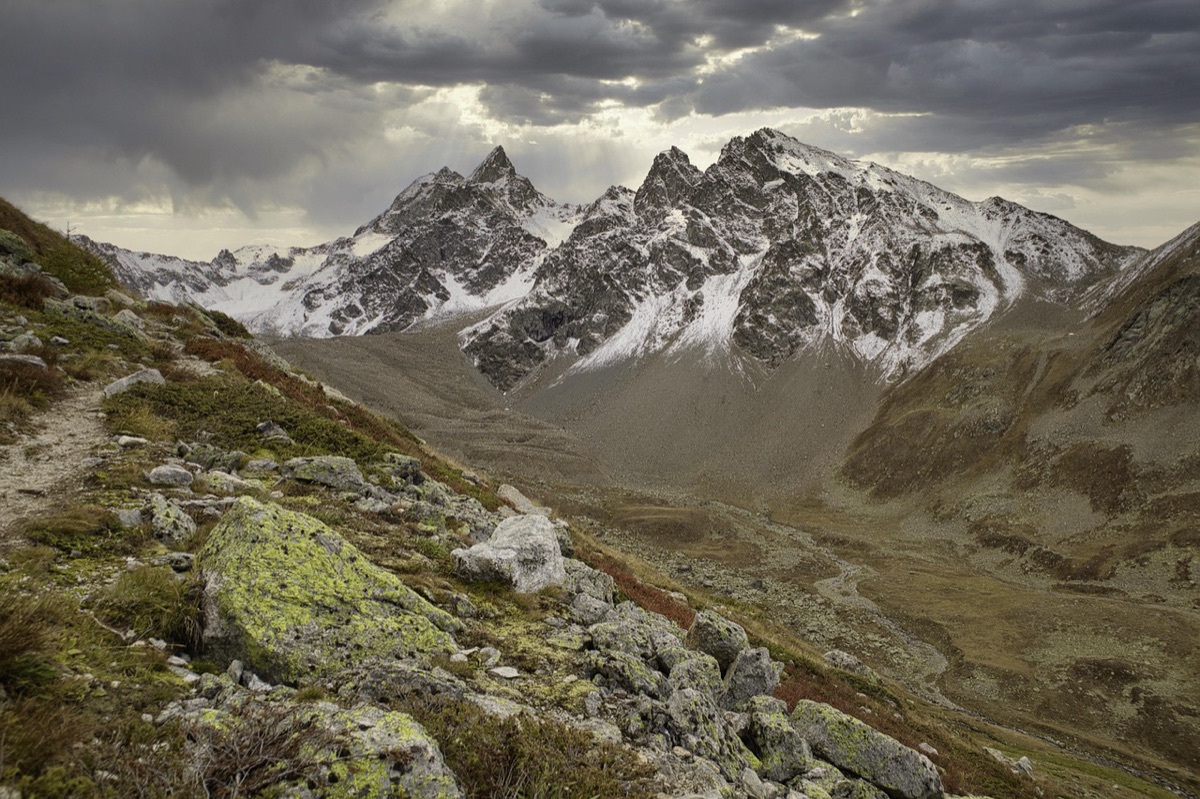
At 6:15 AM, a runner stands at the base of a steep, gravel-strewn slope, checking their watch as the sun begins to crest over the jagged peaks. The air is thin and cold, and the incline ahead looks nearly vertical, a sharp contrast to the flat pavement of a city marathon.
The formalization of mountain running has turned these unpredictable terrains into standardized competitive disciplines. In the past, a mountain race might simply be a run up a hill, but today, events are meticulously categorized by distance and vertical gain to attract specific types of athletes.
This segmentation allows for a clear distinction between explosive, high-intensity climbs and long-haul endurance feats. For instance, looking at the 2025 World Mountain and Trail Running Championships, we see the extreme range of these disciplines.
Some events are designed as high-intensity bursts, such as a 6.4 km race with a 985 m difference in height, which demands incredible anaerobic capacity and technical footwork.
In stark contrast, other events push the limits of human endurance, such as an 81.2 km course featuring a massive 5,410 m total ascent and 5,410 m total descent.
By offering these varied profiles, organizers can cater to different physiological demands. A runner built for speed and agility might thrive in a 7.8 km race with 400 m of climbing, while an ultra-endurance specialist might target a 44.5 km course with 3,660 m of ascent.
This variety ensures that the sport remains inclusive of different body types and aerobic capacities. But while the terrain defines the race, the age of the runner defines the strategy.

How do I navigate age groups from Junior to Master? A teenager, lungs burning and legs pumping, sprints past a group of older runners, their eyes locked on a narrow ridge ahead. Nearby, a veteran runner in their 50s maintains a steady, rhythmic pace, demonstrating a mastery of pacing that only decades of experience can provide.
The transition from a young, developing athlete to a seasoned veteran is a cornerstone of the sport's growth. The Junior category acts as a developmental incubator, where young runners focus on building foundational aerobic capacity, technical trail skills, and mental toughness.
These races are often shorter and more explosive, mirroring the physiological peak of youth.
As runners age, they move into the Senior and eventually the Master categories. The Master’s category is not merely a "participation" group; it is a highly competitive arena where athletes maintain elite standards through refined pacing and tactical intelligence.
While a junior might rely on raw power, a master-level runner often wins through efficiency and an intimate understanding of how to manage energy over undulating terrain.
This age-group structure prevents the "washout" effect, where aging athletes might feel discouraged by competing against much younger, faster peers. Instead, it creates a fair playing field where personal bests and global rankings can be celebrated within a peer-group context.
It allows the sport to remain a lifelong pursuit rather than a fleeting phase of youth. However, understanding the physical demands requires looking closer at the actual geometry of the mountain.
What kind of races does WMRA offer worldwide? The morning mist clings to the granite spires of the Dolomites, where runners navigate narrow, winding paths carved into the mountainside. Thousands of miles away, the rugged, high-altitude terrain of the Himalayas presents a completely different set of challenges to the global community.
According to World Bank data, the world recorded share of internet users of 73.6% in 2025.
The World Mountain Running Association (WMRA) provides a global framework that standardizes these diverse challenges. Because mountain running is dictated by geography, a race in the Alps might look nothing like a race in the Andes.
The organization helps bridge these differences by providing a common language for competition, even when the terrain changes drastically.
In Europe, races often feature technical, rocky terrain with sharp ascents, whereas in other regions, runners might face long, rolling climbs or high-altitude plateau running. The ability to standardize these events globally allows for a cohesive ranking system.
Whether a runner is tackling a 14.3 km course with 775 m of ascent or a much longer trek, the competitive framework remains robust. This global reach ensures that the best athletes from every continent can find a venue that matches their specialty.
It also pushes the boundaries of what is possible, as runners from different geographical backgrounds bring unique survival and running skills to the international stage. But how do you actually prepare for such a wide range of difficulties?

Technical deep dive: Anatomy of a mountain race
A runner pauses to catch their breath, looking down at a map that shows a massive vertical line cutting through a winding path. The numbers on the page—distance, ascent, descent—tell a story of an upcoming physical struggle that requires more than just leg strength.
To understand a mountain race, one must look at the relationship between distance and verticality. It is not just about how far you run, but how much you must climb and descend. This relationship defines the "character" of a race.
Consider these two distinct profiles often found in high-level competition:
- The Vertical Specialist: A race might be relatively short, such as 7.8 km, but with 400 m of climbing. This requires high power-to-weight ratios and explosive strength.
- The Ultra-Endurance Specialist: A race might extend to 81.2 km with 5,410 m of ascent. This is a test of metabolic efficiency, gear management, and psychological grit.
The total ascent and descent are critical metrics. In many mountain races, the descent is just as grueling as the ascent, placing immense strain on the quadriceps and requiring high-level technical stability.
A race with 3,660 m of ascent and 3,660 m of descent (as seen in a 44.5 km course) requires a perfect balance of aerobic capacity and eccentric muscle strength to handle the constant gravity-fed impact.
| Race Profile Type | Typical Distance Range | Primary Physical Demand |
|---|---|---|
| Short/Technical | 5 km - 15 km | Explosive power, agility, anaerobic capacity |
| Mid-Distance | 20 km - 45 km | Aerobic threshold, technical descent skills |
| Ultra-Distance | 50 km - 100+ km | Metabolic efficiency, mental endurance, pacing |
When I first started training for technical climbs in the Alps, I thought leg strength was the only variable. I quickly learned that a steep descent can destroy a runner just as effectively as a steep ascent.
Note that these profiles are generalized; specific terrain hardness and altitude can drastically change the perceived difficulty of any given distance.
The runner’s journey: From debut to veteran status
A young runner, eyes wide with excitement, crosses their first finish line, looking back at the mountain they just conquered. Years later, that same runner, now older and wiser, stands at a similar finish line, reflecting on a lifetime of climbs.
The journey from a novice to a veteran is often a cycle of growth, plateau, and reinvention. Many runners begin with short, high-intensity races, building their base. As they gain experience, they often move toward longer distances, testing their ability to sustain effort over many hours.
As runners enter the Master categories, the focus often shifts from pure speed to tactical mastery. The goal becomes a balance of pushing personal limits while respecting the body's recovery needs.
This transition is a cultural hallmark of the sport; it is not just a hobby for the young, but a lifelong pursuit of peak human performance. The shift from a niche activity to a global competitive sport has been driven by this ability to grow with the athlete.
As the community expands, the diversity of race types ensures that a runner's "prime" can last for decades, provided they adapt their training to the changing demands of their age and the terrain.
#




Comments 0