7,000 Years of Ascent: Peaks as Living Cultural Archives
"The mountain does not care for your maps, yet it holds the memories of every soul that ever looked up in awe."
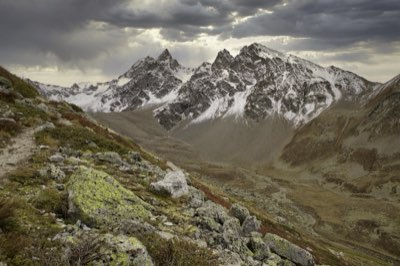
When we stand at the base of a massive peak, we aren't just looking at a pile of tectonic uplift and weathered granite. We are looking at a monument to time itself, a silent witness to the rise and fall of civilizations that long predated the compass and the carabiner.
Key Takeaways
* The Cultural Archive: Mountains serve as more than geological features; they are living libraries of human mythology and ancestral identity. * The Continuity of Quest: The modern climber’s pursuit of a summit is a physical echo of the ancient seeker’s spiritual pilgrimage. * Scale and Perspective: Understanding the geological timeline versus the human timeline provides a necessary reality check for any adventurer.
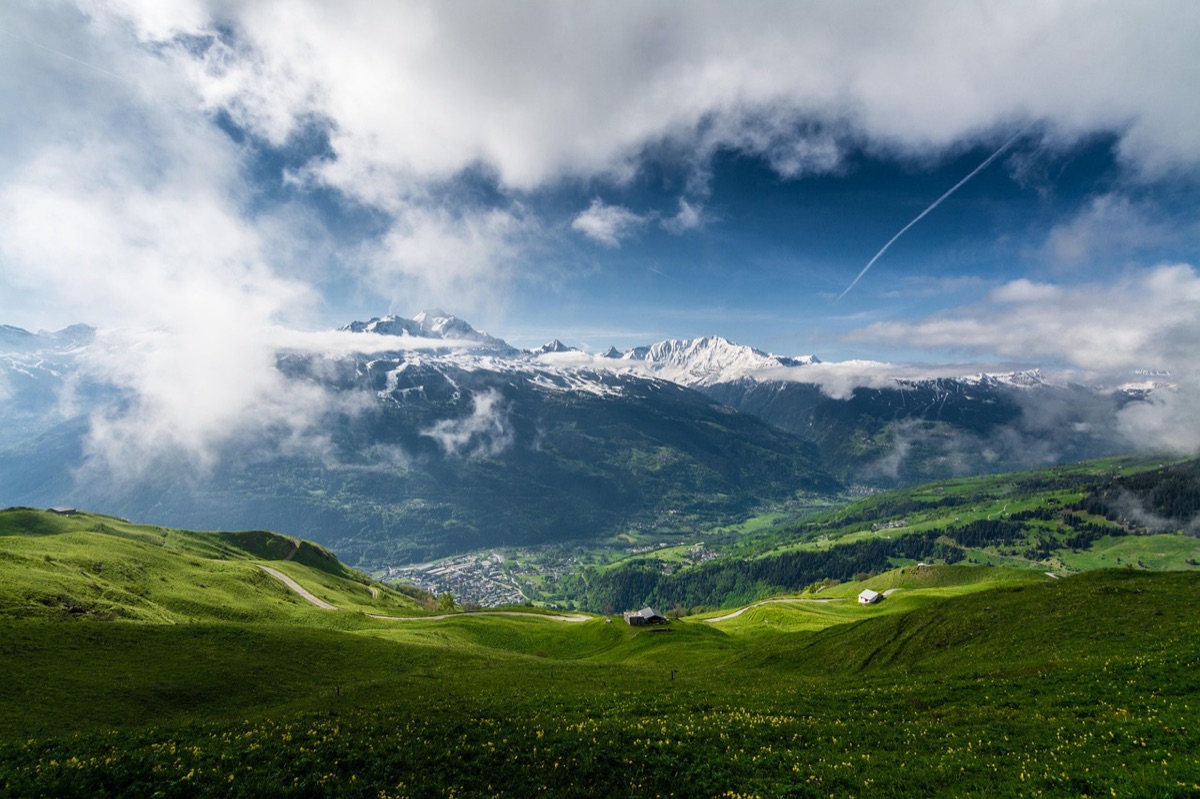
Where does the stone meet the spirit? The wind howls through a narrow pass at dusk, and for a moment, the line between the whistling air and a human voice seems to blur. You find yourself checking your footing, not because of the incline, but because the sheer scale of the rock makes you feel momentarily untetherable from the earth.
According to World Bank data, the world recorded high-technology share of manufactured exports of 24.7% in 2024.
For millennia, the relationship between humans and mountains was defined by a mixture of necessity and profound terror.
Before the advent of modern mountaineering, a mountain was rarely seen as a "challenge" to be conquered; it was a boundary, a provider of water and shelter, or a dwelling place for the divine.
While geology tells us that mountains are formed through the slow, violent collision of tectonic plates over millions of years, human history tells us they are the anchors of our collective psyche. These peaks provided the verticality needed to separate the mundane world from the celestial.
In many cultures, the higher the elevation, the closer one was to the truth of existence. This verticality created a natural hierarchy where the mountain sat at the apex of the world.
As we transition from seeing a mountain as a mere geological object to a cultural landmark, we realize that we aren't just climbing rock; we are stepping into a narrative that has been unfolding since the first campfire was lit in a mountain valley.
But as the world changed, so did our perception of the peaks.
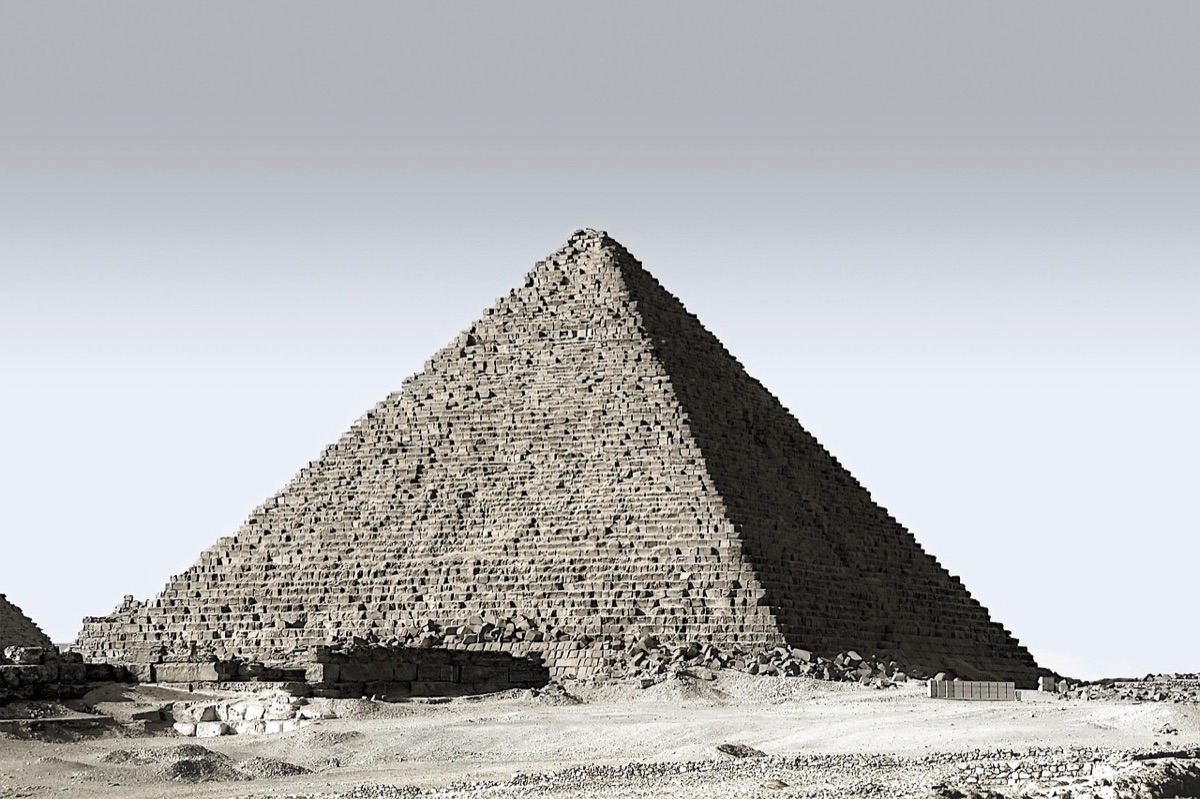
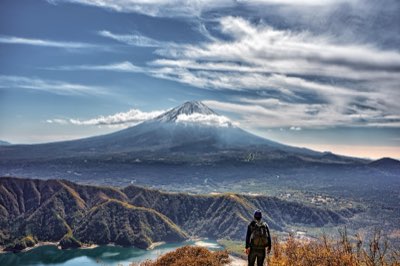
How do ancient peoples echo through these peaks? A village elder points toward a jagged, snow-capped peak on the horizon, and the children listen in a silence so heavy it feels like the mountain itself is leaning in to hear. There is no mention of elevation or slope in their stories, only of the Great Spirit who rests upon the clouds.
In the ancient world, specific peaks were often designated as the center of the universe. For the indigenous peoples of the Andes, the peaks were *apus*—powerful protectors and deities.
In the Himalayas, certain summits were considered too sacred to be stepped upon, a tradition that continues to influence modern climbing ethics and local tensions.
These myths weren't just stories; they were the frameworks through which people understood weather, seasonal changes, and the very nature of life and death. The contrast between the ancient and modern view is stark.
An ancient traveler might approach a peak with offerings and ritual, seeking permission to enter a sacred space. A modern climber often approaches with a checklist and a goal of personal achievement.
Yet, the underlying feeling—the confrontation with the "sublimity" of nature—remains the same. Whether it is a ritual sacrifice or a grueling summit push, the mountain demands a total presence of mind and body. This leaves us to wonder: how did we move from the ritual to the technical?
The Ascent of Modernity: Mountaineering as Pilgrimage
The rhythmic clinking of ice axes against frozen rock breaks the silence of the pre-dawn climb, a mechanical sound that cuts through the ancient stillness. You pull your goggles down, feeling the weight of your gear, and realize that your struggle is a modern iteration of an ancient human drive.
The shift from ritualistic climbing to technical expedition changed the way we interact with the heights, but it didn't change the psychological core of the journey.
The modern climber, equipped with Gore-Tex and GPS, still faces the same fundamental questions of endurance and mortality that the ancient wanderer faced.
The "conquest" of a peak is often a misnomer; one does not conquer a mountain, one merely survives the encounter and earns the right to stand on its shoulder. This modern journey requires a different kind of preparation.
While the ancients relied on local knowledge and spiritual readiness, we rely on logistics, oxygen-management, and precise gear.
When I first attempted a high-altitude trek in the late 2025 season, I realized that no amount of expensive gear could replace the mental fortitude required when the oxygen leaves the room. The ability to face isolation and physical extremity remains a bridge between the past and the present.
The modern climber is, in many ways, a secular pilgrim, seeking a moment of clarity that can only be found when the world is reduced to nothing but breath and stone. But how do we actually manage the physical reality of such an ascent?
Anatomy of the Ascent: Practicalities for the Contemporary Explorer
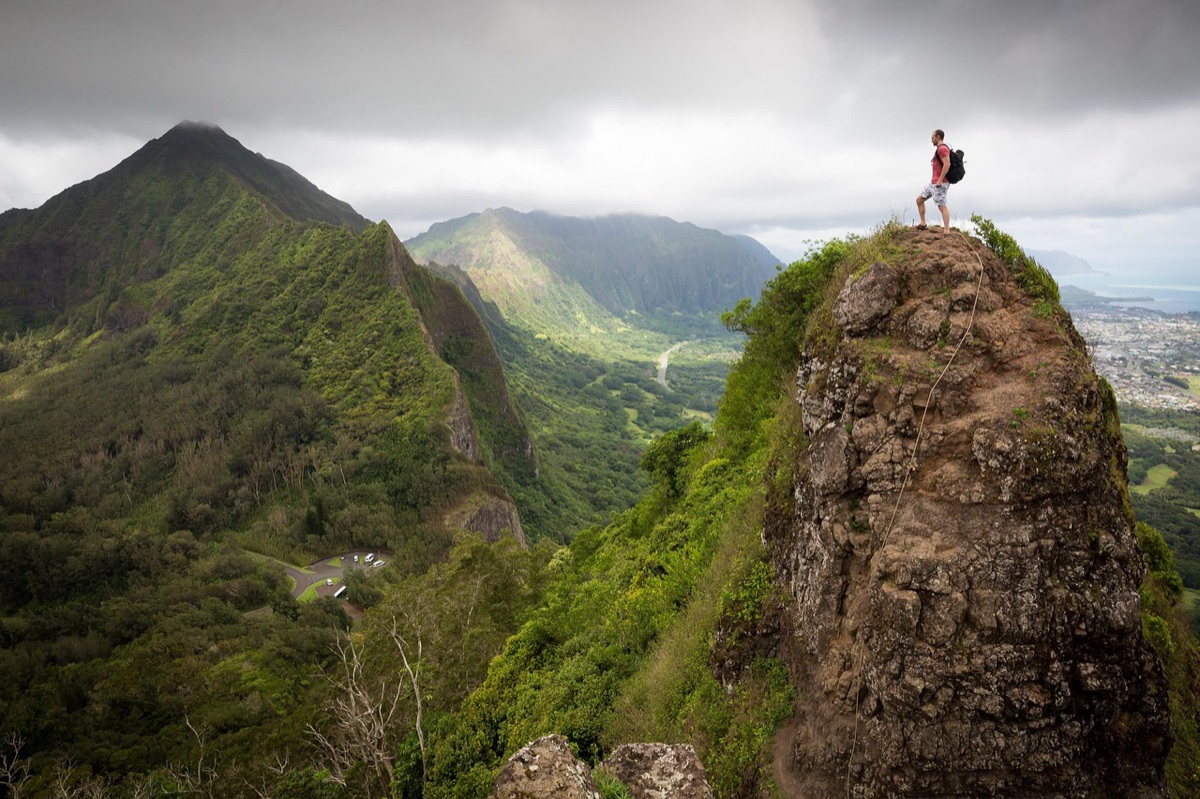
The heavy breathing of the lead climber and the methodical placement of a camming device create a tense, rhythmic dance. You watch the shadows stretch across the glacier, knowing that the window for a safe descent is closing as rapidly as the light.
Navigating a mountain requires a blend of technical skill and an understanding of the environment's inherent dangers. While the legends deal with gods and giants, the reality of the ascent is found in the management of risk and the logistics of the climb.
Typical Ascent Stages and Requirements
| Stage | Primary Focus | Essential Tool/Action |
|---|---|---|
| Approach | Transit to Base Camp | Trekking poles and hydration management |
| Acclimatization | Physiological adjustment | Gradual elevation gain and rest days |
| Technical Ascent | Overcoming terrain | Ropes, harnesses, and ice tools |
| Summit Push | Peak performance | High-calorie nutrition and mental focus |
| Descent | Controlled return | Careful footing and time management |
Safety and Preparation Checklist
- Acclimatization Protocol: Never rush the process. The body needs time to adjust to lower oxygen levels to prevent life-threatening conditions like HAPE or HACE.
- Gear Integrity: Check all ropes, carabiners, and crampons for wear and tear before every single ascent.
- Weather Monitoring: Always have a "turn-around time" established. If you haven't reached the objective by a specific hour, you must descend regardless of how close you feel.
- Leave No Trace (LNT): Respect the mountain and the cultures that live in its shadow. Carry out everything you carry in.
The physical demands are immense, and the margin for error is slim. This leads to the most difficult question of all: what happens when the myth and the reality collide?
The Limits of the Legend
It is important to recognize that while the stories of the past are captivating, they should never replace the hard science of mountain safety. A mountain is a physical entity governed by gravity, friction, and atmospheric pressure.
Relying on "luck" or "divine protection" without proper training and respect for the terrain is a recipe for disaster. The myths provide the soul of the mountain, but the geology and the weather provide the reality. A climber must respect both.
The goal is not to defy the mountain, but to move through it with enough skill and humility to return home and tell the story.




Comments 0