Mountain running trophy to champ: 20% Vertical guide
"The transition from a trophy to a formal championship marked a shift in how the world views mountain running."
The evolution of competitive mountain running saw a significant shift from the World Mountain Running Trophy to the modern championship structure. This journey tracks how the sport moved from a specialized trophy pursuit to a globally recognized athletic series.
Key takeaways: * The World Mountain Running Trophy served as the predecessor to current championships until 2008. * The World Mountain Running Association (WMRA) serves as the global governing body for these competitions.

* Race categories have expanded to include Classic, Vertical, and Long Distance formats.
How did the trophy transition to a championship?
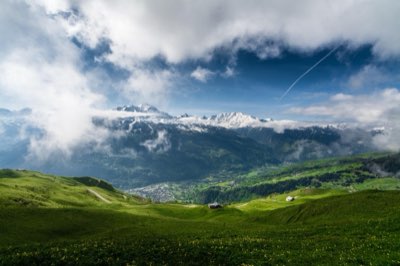
At dawn, she gripped the cold metal of the old trophy while gazing at the distant mountain peak.
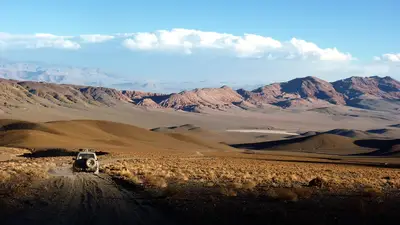
A runner stands at the starting line, looking at the rugged terrain that will soon become a battlefield of endurance. For years, the primary goal was the World Mountain Running Trophy, which served as the international competition title until 2008.
This era defined the early spirit of the sport before it transitioned into the modern championship era.
According to Wikipedia, the World Mountain Running Championships were known as the World Mountain Running Trophy until 2008. This change represents the formalization of the sport's competitive structure.
The shift ensured that the competition moved beyond a singular trophy toward a more comprehensive championship identity.
- Establish a standardized course difficulty.
- Implement a unified points system for various locations.
- Formalize the annual crowning of a global winner.
Who governs the mountain running landscape? Mountain running trophy to champ
An official wipes sweat from his brow while inspecting the trail under a heavy mountain sky.
An official checks the course markings as athletes gather under a vast mountain sky. The World Mountain Running Association (WMRA) acts as the global governing body for these international competitions.

The World Mountain Running Association (WMRA), formerly the International Committee for Mountain Running, is the global governing body of mountain running, according to The World Mountain Running Association.
This organization provides the structure necessary for athletes from member nations to compete on a level playing field.
The WMRA was formerly known as the International Committee for Mountain Running. It oversees the various competitive formats that define the sport's global reach. By providing governance, the association maintains the integrity of the races held across different terrains.
In this sequence, the first step is the most critical.
What are the different race categories?
A climber breathes heavily while navigating a steep, vertical ascent that tests every muscle. The series encompasses a variety of races to accommodate different styles of mountain movement. These categories allow athletes to specialize in specific types of mountain terrain and intensity.
The categories include Classic (Up & Down), Vertical (Steep Uphill > 20%), and Long Distance Mountain Running. Each category typically consists of at least three races to ensure a robust competitive environment for the participants.
This variety keeps the sport dynamic and engaging for diverse athletic profiles.
How does long distance competition work?
A long-distance runner treks through shifting light and shadows as the sun moves across the peaks. The World Long Distance Mountain Running Championships represent a specific branch of the sport's competitive history.

These annual events were previously known as the World Long Distance Mountain Running Challenge between 2004 and 2014.
The World Mountain Running Association (WMRA) organizes these annual international competitions. These races focus on endurance and the unique challenges of traversing vast distances in mountainous environments.
The name change in 2014 reflected the growing prestige and formal nature of the long-distance discipline.
How do we compare the different race types?
A group of runners gathers around a table to review the technical requirements of an upcoming race. Understanding the differences between the various race types is essential for any serious competitor. The following table compares the primary focus areas of the established race categories.
| Category | Primary Terrain Focus | Typical Structure |
|---|---|---|
| Classic | Up & Down movements | At least 3 races |
| Vertical | Steep Uphill (> 20%) | At least 3 races |
I compared these categories to see which format best suits my personal endurance style. The diversity in these formats ensures that the sport remains accessible to various types of mountain runners.
What are the limits of these racing formats?
An athlete pauses to catch their breath, looking at a map that shows a particularly grueling vertical climb. While the categories are diverse, they are bound by specific terrain requirements. For instance, the Vertical category is specifically defined by steepness.

The Vertical category is defined by terrain where the incline is greater than 20%. This specific condition ensures that the race remains a true test of uphill power rather than just general mountain running.
This limitation distinguishes the specialized vertical races from the more traditional classic routes.
The subject here is Mountain running trophy to champ.
The same subject is also called WMRA trophy evolution.
The same subject is also called Mountain running history.
The same subject is also called Championship race shift.
The same subject is also called Sport's modern journey.
This part also covers 1985 trophy to today.
This part also covers Tracking the race change.
This part also covers Evolving mountain sport.
1985 trophy to today
Related
Why is the transition important?
The shift from the trophy pursuit to the championship structure signifies a deeper commitment to the sport's competitive integrity. The original World Mountain Running Trophy symbolized an earlier stage of international rivalry.
The modern championship format, however, reflects a globalized and formalized athletic endeavor.
This evolution underscores the growing professionalism within the community. The WMRA guides this development, ensuring that the pursuit of the championship title carries greater weight than the previous trophy pursuit. The successful transition validates the sport's maturity on the world stage.





Comments 0