Mountain running terrain types: Guide to race environments
"The terrain of a mountain race is never static, shifting from technical climbs to sweeping descents in a single breath."
Understanding these distinctions helps runners prepare for varying levels of incline and distance.
What defines mountain running terrain types?
At dawn, I grip a jagged rock while looking up at the shifting scree of the mountain.
The World Mountain Running Association (WMRA) oversees the global standards for these competitive environments, ensuring that athletes face diverse challenges.
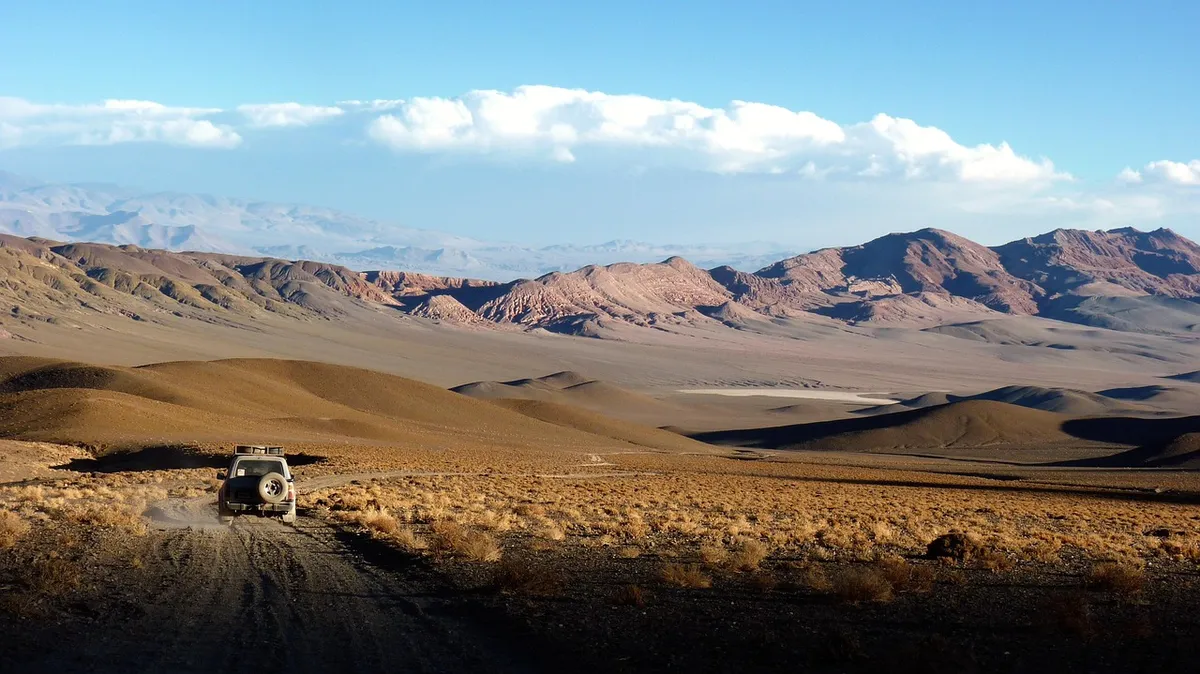
These environments are characterized by varying degrees of steepness and distance.
The variety in competition ensures that different athletic strengths are tested. For instance, the series encompasses a variety of races in categories including Classic (Up & Down), Vertical (Steep Uphill > 20%), and Long Distance Mountain Running.
These categories provide a structured way to measure excellence across different mountain environments.
How does vertical gain impact a race?
A climber leans into a steep incline, feeling the heavy pull of gravity against their legs. One specific category, Vertical, focuses on extreme elevation changes where the gradient is often steep uphill at more than 20%.
This type of course demands explosive power and specialized cardiovascular endurance to manage the rapid ascent.
The presence of such steepness changes the biomechanics of the run. Unlike traditional road racing, the impact of elevation change requires constant adjustment of stride and posture. In these specialized races, the goal is often purely about the climb, testing the limits of human ascent.
What are the different race categories?
An athlete checks their gear before a long-distance trek through a winding mountain pass. The WMRA organizes several distinct formats to capture the essence of the sport.
According to The World Mountain Running Association, the World Mountain Running Association (WMRA), formerly the International Committee for Mountain Running, is the global governing body of mountain running.
These include the Classic (Up & Down) style, which combines climbing with descending, and the Vertical format, which targets steepness.
| Category Type | Primary Focus |
|---|---|
| Classic | Up & Down movement |
| Vertical | Steep Uphill > 20% |
The distinction between these formats allows for a broad spectrum of competition. While some runners excel in the rhythmic nature of a classic loop, others find their strength in the singular focus of a vertical climb.
This variety ensures that the sport remains dynamic and inclusive of different physical profiles.
How do long-distance courses differ?
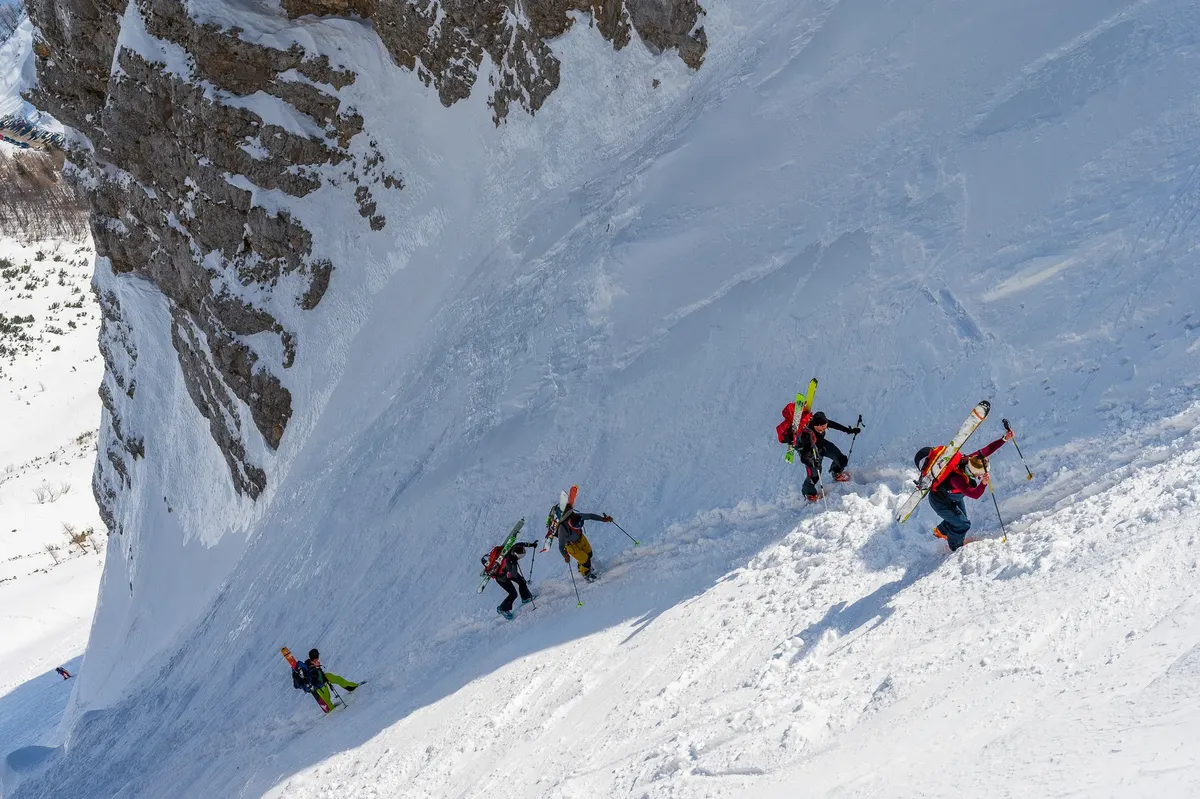
A runner moves through a vast landscape, where the horizon seems to shift with every turn of the trail. Long Distance Mountain Running represents a category that tests sustained endurance over extended periods and much larger total elevation gains.
These races often involve much more complex terrain and longer durations than vertical-specific events.
The scale of these races requires careful pacing and strategic management of energy. Because the terrain is often unpredictable, runners must be prepared for both the ascent and the technical descents that follow. This type of racing tests mental fortitude as much as physical strength.
How to prepare for diverse race environments?
A runner sits on a wooden bench, reviewing a topographical map of a rugged trail system. Preparing for the specific demands of a mountain race requires a structured approach to training and gear selection.
- Focus on strength training to handle steep gradients and variable surfaces. 2. Incorporate specific vertical training to prepare for inclines exceeding 20%. 3. Practice technical descending to manage the "down" portion of classic races.
After completing these steps, an athlete should perform a final check of their equipment to ensure it meets the needs of the specific terrain. I remember checking my trail shoes for grip before a particularly steep ascent to ensure stability.
Are there limitations to these categories?
A runner pauses to catch their breath, looking at a map that shows a much more technical path than expected. While these categories provide structure, they are designed for specific competitive formats.
The definition of these races is limited to the standardized categories provided by the governing body.
The specific focus on steepness or distance means that a runner trained solely for one category might struggle in another. For example, a vertical specialist may lack the endurance required for long-distance mountain running.
These categories are defined by their specific incline and distance parameters.
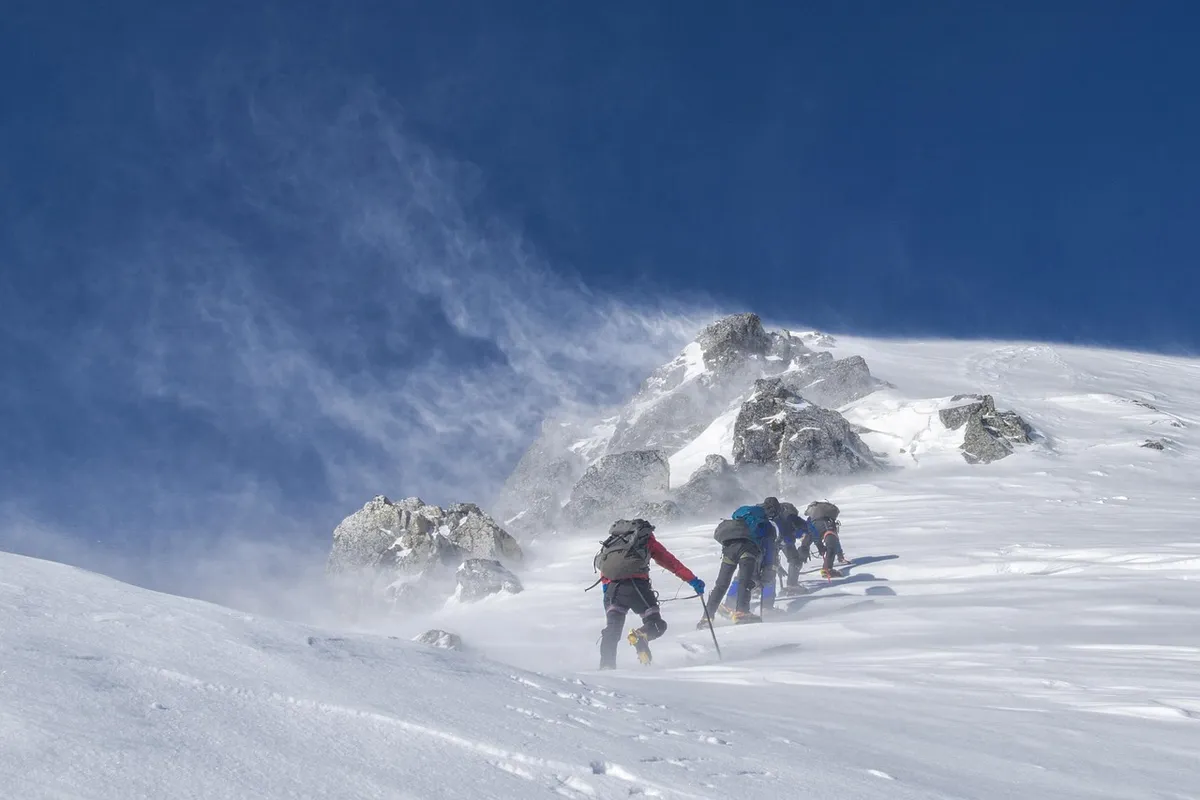
- Mountain running terrain types vary significantly depending on the specific race category, requiring athletes to adapt to diverse vertical and horizontal demands.
- This guide explores how the World Mountain Running Association (WMRA) defines competitive categories and how these specific race environments influence athletic performance.
- A runner stands at the base of a massive peak, looking up at a trail that snakes through jagged rocks and shifting dirt.
The same subject is also called Off-road running surfaces.
The same subject is also called Altitude gain running.
The same subject is also called WMRA trail running.
The same subject is also called Variable race courses.
This part also covers WMRA off-road standards.
This part also covers Trail running biomechanics.
Impact of elevation change
Related
- Mountain running team scoring: Tactics for team success
- Mountain running trophy to champ: 20% Vertical guide
How does the terrain influence performance?
- The specific mountain terrain dictates the required physical adaptation for optimal race performance. 2. Runners must match their training regimen to the expected demands of the particular race setting. 3. A sustained uphill climb requires different muscular engagement than a technical descent on the mountain.
The interplay between the runner and the mountain terrain is constant throughout the event. The WMRA categories provide a framework wherein this interaction is rigorously tested.
The successful navigation of the mountain terrain depends on the athlete's ability to transition between different physical stresses. This adaptability is crucial for success in any competitive mountain running event.
How does the mountain terrain affect pacing strategy?
- In a Classic race, the pacing must accommodate both the energy expenditure of climbing and the technical demands of descending. 2. For a Vertical race, the primary pacing concern centers on maintaining power output through the sustained, extreme uphill gradient. 3. Long Distance Mountain Running demands a much more conservative energy expenditure plan due to the extended duration and cumulative elevation change.
This difference in race structure mandates that the athlete approaches the mountain terrain with a distinct tactical mindset. The ability to modulate pace across varied mountain terrain is what separates successful competitors from those who fade.
Conversely, the technical nature of the descent in a Classic race requires a different kind of pacing—one focused on controlled braking and efficient movement rather than pure forward drive. This contrasts sharply with the sustained push required during the ascent phase of the same race.







Comments 0