WMTRC: Global Governance Drives Mountain Running Standards
"The peaks don't change, but the rules must."
The World Mountain and Trail Running Championships (WMTRC) represent the pinnacle of human endurance, where athletes from every continent converge to test their limits against gravity and terrain.
To turn these disparate, rugged landscapes into a cohesive global arena, a sophisticated network of international governance is required.
Key Takeaways * The WMTRC ecosystem relies on deep collaboration between various international bodies to govern, promote, and standardize global events. * These organizations define the competitive structure, logistical frameworks, and global reach of elite mountain running.
* Cooperation is crucial for maintaining the integrity, safety, and global visibility of the sport.

Why does a global championship need a governing body?
A runner stands at a trailhead in the early morning mist, looking at a map that shows a winding, technical path through jagged peaks. The air is thin and cold at 5:00 AM.
Without a standardized set of rules, a race in the Alps might feel entirely different from a race in the Andes, making a true "world champion" title nearly impossible to define.
The scope of the WMTRC is to unite these diverse terrains under a single competitive umbrella. Because mountain running can range from short, steep climbs to massive, multi-day treks, international bodies must step in to standardize rules.
This ensures that an athlete competing on a 7.8 km course with 400 m of ascent is measured by the same fundamental standards as someone tackling a much larger vertical challenge.
Without this global governance, the sport would remain a collection of isolated local events. While local races are vital for community building, the championship requires a framework that allows for fair competition across different host nations.
This structure prevents technical loopholes and ensures that every athlete, regardless of their home country, is playing by the same book. But the rules are only the beginning of the complexity.
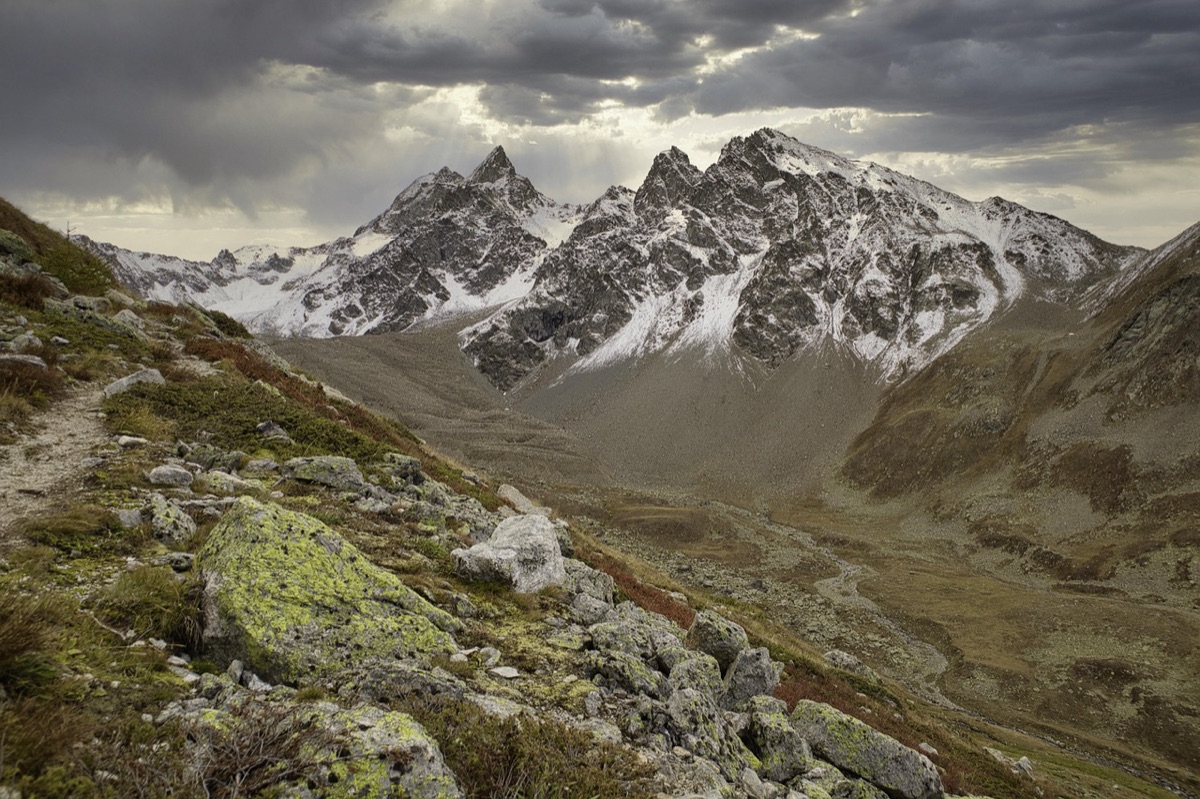
Which organizations drive the WMTRC ecosystem?
An organizer sits in a quiet office, reviewing a thick binder of technical specifications and safety protocols before a single runner hits the dirt. The desk lamp flickers against the midnight shadows.
According to the World Bank, the world recorded share of internet users of 73.6% in 2025. This digital connectivity allows global governing bodies to coordinate across time zones and hemispheres.
The ecosystem is driven by a hierarchy of organizations that handle different facets of the sport. Primary bodies focus on high-level governance, such as setting the technical standards for course marking and timing.
Other collaborating bodies handle logistical approvals, ensuring that a race meets the necessary requirements to be recognized as an official championship event.
These organizations work closely with national federations and local race organizers. While the global body sets the "what" (the rules and standards), the local organizers handle the "how" (the actual execution on the ground).
This relationship ensures global buy-in, as local organizers gain prestige by adhering to international standards, while athletes gain a fair, recognized arena. However, the logistics of the race itself present a different kind of challenge.
How is the global race circuit structured and managed?
A runner checks their watch, seeing their split times, and realizes they are halfway through a grueling 44.5 km course with 3,660 m of total ascent. The sweat stings their eyes in the midday sun.
The operational flow moves from global approval down to local execution. Once a global body approves a race format, local organizers implement the specific course requirements. This allows for a variety of race categories that cater to different types of specialists.
For example, some athletes excel in short, explosive climbs, while others are built for long-distance endurance.
The progression pathway is clear: athletes often start in local or regional races, moving up to national championships, and finally aiming for the global stage. This hierarchy is maintained through diverse race formats.
Some events might focus on high-intensity vertical climbs, while others might feature long-distance treks where the total ascent and descent are significantly higher, such as an 81.2 km course with 5,410 m of total ascent and 5,410 m of total descent.
When I first looked at a professional race itinerary, the sheer scale of the logistics was overwhelming. It isn't just about the trail; it is about the management of the human element.
But the most unpredictable factor isn't the logistics—it is the environment itself.
What are the critical challenges in modern mountain racing?
A race director stands on a ridge, looking out over a valley where a storm is rapidly approaching, knowing that the safety of hundreds of runners depends on the protocols established months ago.
Logistical hurdles are a constant reality. Hosting a race in a remote mountain range requires immense coordination regarding permitting, accessibility, and medical response. International bodies help mitigate these risks by enforcing standardized safety protocols.
This is especially critical in high-altitude environments where oxygen levels and rapid weather changes can turn a race into a survival situation.
There is also a natural tension between local tradition and global standards. A community might want to use a historic, narrow trail, but global standards might require wider paths for safety or specific marking for timing accuracy.
The ecosystem manages this by finding a middle ground where the unique character of the terrain is preserved, but the integrity of the competition is never compromised. This leaves us to wonder how the sport survives the test of time.
How do these partnerships ensure future growth?
A veteran runner watches a young athlete cross the finish line, realizing that the sport they love is becoming more professional and sustainable every year. The finish line tape snaps in the wind.
The partnerships between these organizations contribute to the long-term sustainability of the sport. Beyond just the race day, these bodies work to promote environmental responsibility, often adhering to "Leave No Trace" (LNT) principles.
This ensures that the very trails used for competition are preserved for future generations.
Furthermore, global reach drives athlete development and media exposure. As the sport becomes more standardized and professionally managed, it attracts more sponsorship and media interest.
This influx of resources allows for better-organized events, which in turn attracts more high-level talent, creating a cycle of growth that elevates mountain and trail running on the global stage.
To navigate this growing world, athletes and organizers follow a specific progression.
The Championship Readiness Checklist
- Verify Technical Standards: Ensure the course profile and marking meet the specific requirements of the governing body for the intended category.
- Assess Environmental Impact: Conduct a site survey to ensure the route adheres to local and international conservation protocols.
- Coordinate Medical and Safety Logistics: Establish clear communication channels and extraction points suitable for the specific terrain and altitude.
- Implement Timing and Data Systems: Set up standardized electronic timing and tracking to ensure results are globally verifiable.
- Engage Local and Global Stakeholders: Bridge the gap between local community needs and the requirements of the international federation.
| Feature | Local Race | WMTRC Championship |
|---|---|---|
| Primary Goal | Community & Fun | Elite Competition |
| Rule Set | Often Informal/Variable | Strictly Standardized |
| Safety Protocols | Local/Basic | High-Level/International |
| Global Recognition | Limited | High/Official Ranking |
FAQ
What is the primary goal of this international cooperation? The primary goal is to standardize competition, ensure athlete safety, and provide a globally recognized competitive pathway for elite athletes.
How are race distances and ascents standardized? While local races vary significantly—for example, a short course might be 7.8 km with 400 m of ascent, while a long-distance race might be 44.5 km with 3,660 m of ascent—the international bodies provide the framework and technical requirements that allow these distances to be ratified for global rankings.




Comments 0