EBC Trek: Seasonal Guide for Successful High Altitude Ascent
"The mountain does not care about your itinerary; it only cares about your respect for its altitude."
Reaching Everest Base Camp is not merely a test of cardiovascular fitness, but a masterclass in patience and physiological management. To succeed, you must align your biological clock with the mountain's seasonal windows and master the art of gradual ascent.
Key Takeaways * Success requires matching your trek to the pre-monsoon or post-monsoon windows for stable weather. * Rigorous acclimatization protocols, following the "climb high, sleep low" principle, are non-negotiable.
* Proactive health management and recognizing early symptoms of altitude sickness are the primary safeguards against life-threatening complications.
When is the perfect time for me to go? The wind howls through the Khumbu Valley at 4:00 AM, whipping fine ice particles against the nylon of a trekking tent. You check your watch, knowing the window of opportunity is narrow and determined by the shifting seasons of the Himalayas.
The primary trekking windows are spring (pre-monsoon) and autumn (post-monsoon). In the spring, typically March through May, the weather is warmer and the rhododendrons are in bloom, making for beautiful photography.
In 2025, travelers noted that spring offered slightly more stable daytime temperatures for the trek.
In the autumn, from late September through November, the skies are often clearest, offering the sharpest views of the surrounding peaks. By late October 2025, the air typically becomes crisper and more stable, though much colder.
Shoulder seasons, such as early spring or late autumn, offer fewer crowds but come with much higher risks of unpredictable weather and extreme temperature drops.
During these times, you must account for the fact that local infrastructure and Sherpa support may be more limited as they prepare for the peak season or transition between seasons.
Logistics timing is also vital. Arrival in Kathmandu should be planned with enough buffer to account for flight delays into Lukla, a common occurrence due to weather. A flexible itinerary is not a luxury; it is a necessity when dealing with the extreme variability of high-altitude weather.
But timing the season is only half the battle; you also have to time your own body.
How will my trek stages and logistics work? A heavy pack rests against your shoulders as you step off the small plane in Lukla, the thin air immediately making every breath feel slightly more deliberate. You wipe a bead of sweat from your forehead, feeling the sudden shift in pressure as you stand on the tarmac.
The journey begins here, but the real work lies in the gradual transition from the lush lower regions to the high-altitude desert of the Khumbu.
A typical EBC trek takes approximately 12 to 14 days, starting from Lukla and moving through Namche Bazaar, Tengboche, and Dingboche before reaching the base camp. The itinerary must include dedicated acclimatization days.
A standard protocol involves staying at intermediate altitudes for two nights at a time to allow the body to adjust. The golden rule is to "climb high, sleep low"—meaning you should hike to a higher elevation during the day and then descend to a lower camp to sleep.
Permits and bureaucracy are essential components of the trek. You will typically need a Khumbu Pasang Lhamu Rural Municipality permit and a Sagarmatha National Park entry permit. It is highly recommended to hire a local guide and porter.
In the high mountains, professional support ensures you follow the correct routes and provides vital logistical assistance.
Physical demands are significant. While you do not need to be an elite mountaineer, a high level of cardiovascular endurance and leg strength is required. The trek involves thousands of meters of cumulative elevation gain over uneven, rocky terrain.
When I planned my own route through the Khumbu, I realized that the sheer physical grind is nothing compared to the mental fatigue of the high passes. However, the physical grind is where most people hit a wall.
Surviving the Altitude: High-Altitude Sickness Prevention
The headache begins as a dull throb behind your eyes, a subtle reminder that the air is growing thinner with every step upward. You pause, take a slow breath, and wonder if this is just fatigue or something more serious.
Prevention begins long before you reach Lukla through physical conditioning and maintaining excellent hydration. Once on the trail, the most effective way to prevent High-Altitude Sickness is to ascend slowly.
Most health experts suggest that once you are above 3,000 meters, your sleeping elevation should not increase by more than 300 to 500 meters per day, with a rest day every few days.
It is critical to recognize the different stages of altitude-related illness: * Acute Mountain Sickness (AMS): Characterized by headache, nausea, dizziness, and fatigue.
* High-Altitude Pulmonary Edema (HAPE): A life-threatening condition where fluid builds up in the lungs, causing shortness of breath even at rest and a persistent cough.
* High-Altitude Cerebral Edema (HACE): A critical condition where brain swelling occurs, leading to confusion, ataxia (loss of coordination), and hallucinations.
If you experience symptoms of AMS, the first step is to stop ascending. If symptoms persist or worsen, you must descend. In cases of HAPE or HACE, immediate and rapid descent is the only effective treatment.
Never ignore a worsening headache or coordination issues; in the mountains, "wait and see" can be a fatal mistake.
But how do you actually prepare your gear to survive these conditions?
Gear Up: Essential Packing List & Equipment Needs
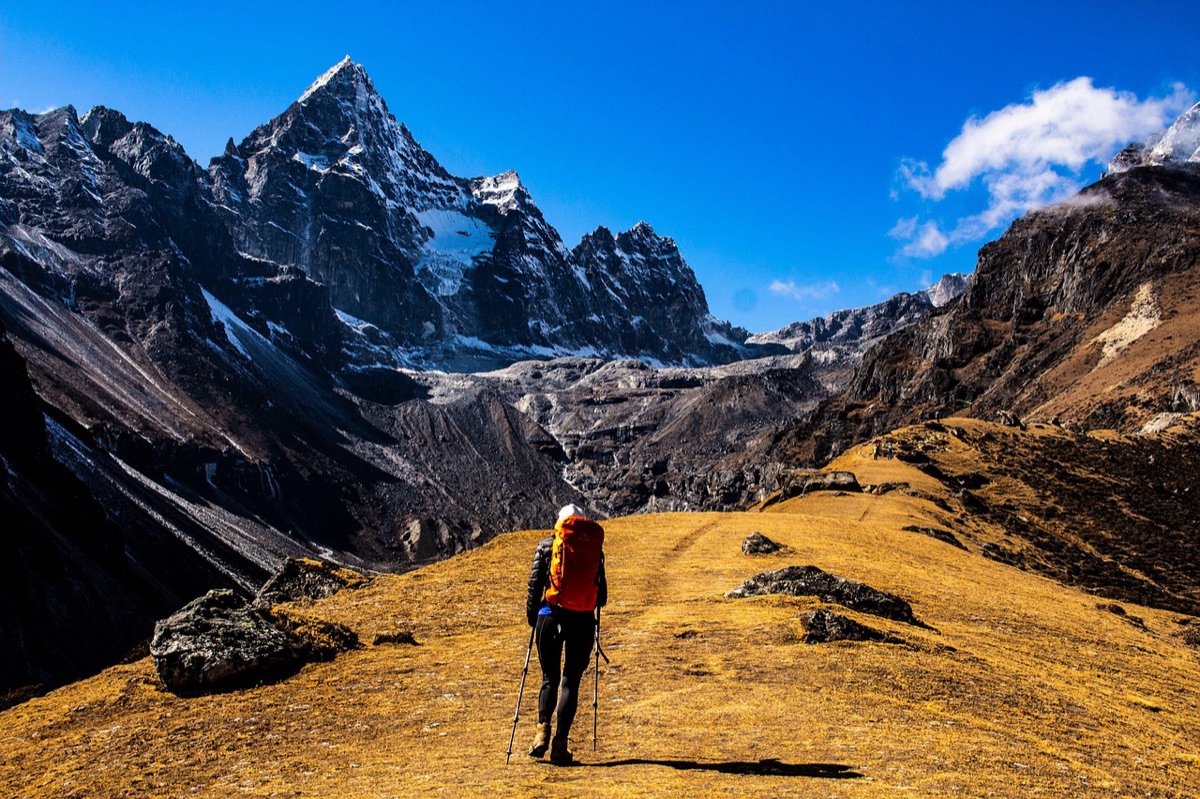
You pull a thick down jacket from your pack, the weight of the gear a constant reminder of the environment you are entering. In the dim light of a tea house at 5:00 PM, you realize how much every gram in your bag matters.
A successful trek relies on a sophisticated layering system. You need a base layer of moisture-wicking wool, a mid-layer of fleece or light down, and a heavy outer shell that is both windproof and waterproof.
High-altitude boots are a critical investment; they must be broken in well and capable of handling freezing temperatures and rocky terrain.
| Gear Category | Essential Items | Purpose |
|---|---|---|
| Clothing | Down jacket, waterproof shell, merino base layers | Thermal regulation and moisture management |
| Footwear | Sturdy trekking boots, moisture-wicking socks | Ankle support and blister prevention |
| Technical | Trekking poles, sleeping bag (rated to -20°C), headlamp | Stability, warmth, and visibility |
| Health/Misc | Water purification, first aid kit, UV-protection sunglasses | Hydration, safety, and eye protection |
Regarding load management, you must decide between carrying your own pack or hiring a porter. While porters can carry up to 100 kg (220 pounds) in some professional setups, trekkers typically carry their own day packs.
If you hire a porter, you should still be physically capable of managing your own gear during difficult sections. Always carry contingency gear, such as extra hand warmers and an emergency bivvy sack, to handle unexpected weather shifts.
To ensure you are ready for the trek, follow this preparation checklist:
- Physical Conditioning: Spend at least 3 months prior to your departure engaging in cardiovascular training and weighted uphill walks.
- Gear Testing: Break in your trekking boots by walking at least 50 kilometers in them before arriving in Nepal to prevent blisters.
- Layering Trial: Test your full layering system in local cold weather to ensure you can move comfortably without overheating.
- Document Check: Verify that your Khumbu permits and travel insurance (covering high-altitude rescue) are printed and organized.
- Hydration Plan: Carry a reusable water bottle and a reliable purification method (like UV light or tablets) to ensure a constant supply of clean water.
Once you have the gear and the plan, you are left with the sheer visual majesty of the trek.
Beyond the Trek: Photographic & Visual Highlights
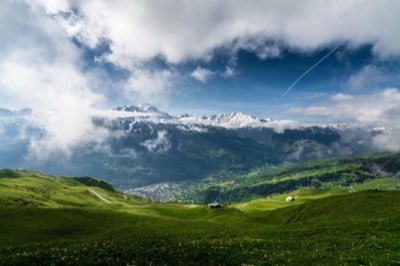
The sun begins to crest over the jagged peaks, turning the ice into a sea of molten gold that illuminates the entire valley. You stand in silence, the sheer scale of the Himalayas making everything else feel momentarily insignificant.
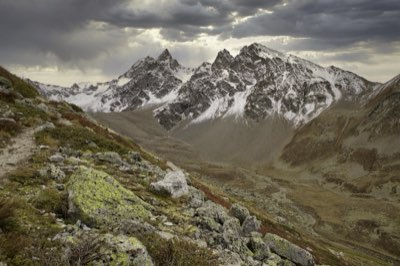
The visual rewards of the EBC trek are unparalleled. Key photography spots include the view from Namche Bazaar, the monastery at Tengboche, and the dramatic vistas around the Khumbu Glacier.
The sunrise over Everest from certain vantage points is a transformative experience that travelers remember for a lifetime.
The cultural context of the Sherpa people adds a profound layer to the journey. The mountains are not just physical obstacles but spiritual entities. Observing local rituals and learning about the history of the region provides a deeper understanding of why these peaks are so revered.
The environment is extreme and humbling. For context, the closest sea to the summit of Everest is the Bay of Bengal, located nearly 700 km (430 mi) away.
The sheer verticality of the terrain is a reminder of the geological forces at play, as the mountain itself is rising by approximately 2 mm per year.
Comments 0