Tre Cime Trek: Your Ultimate Dolomites Photography Guide
"The mountains do not change, but the way we see them changes with every step we take toward the clouds."
If you are looking for the ultimate convergence of rugged geology, high-altitude trekking, and world-class photography, the Tre Cime di Lavaredo in the Italian Dolomites is your ultimate destination.
This massif offers a unique blend of accessibility and dramatic verticality that few other places on Earth can match.
* The Route: The classic loop offers a moderate but rewarding circuit through unique limestone terrain. * The Experience: Combining trekking with strategic stays in mountain huts or nearby camps allows for total immersion. * The Visuals: Timing your presence for sunrise or sunset is essential to capture the "enrosadira"—the way the peaks turn pink. * The Logistics: Strict local regulations regarding camping and access fees require careful advance planning.
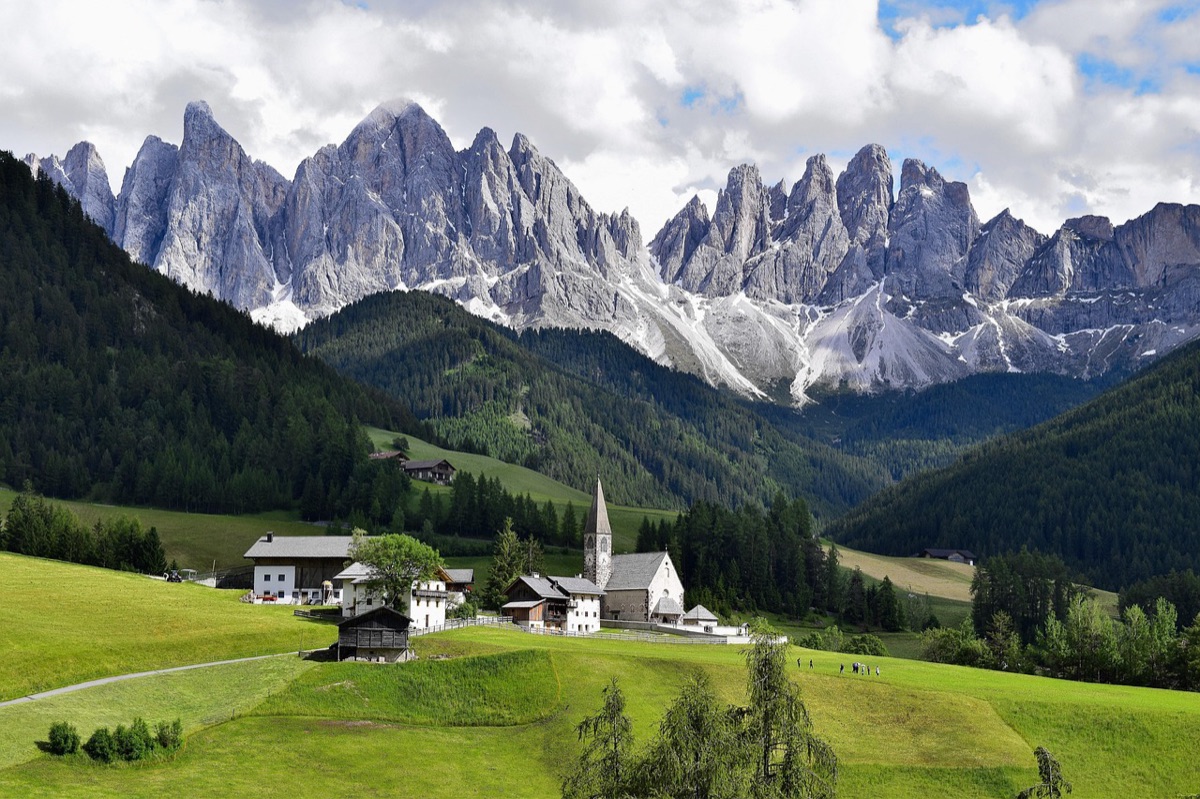
Why Tre Cime di Lavaredo? Understanding the Dolomites' Majesty
The morning air at Rifugio Auronzo is sharp, smelling of cold stone and wild herbs, as the first light hits the massive, tooth-like peaks. You stand there, coffee in hand, looking up at three distinct towers of rock that seem to pierce the very fabric of the sky.
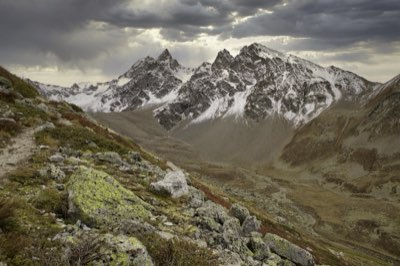
The Dolomites are not your typical jagged granite peaks found in the Sierra Nevada or the Rockies; they are composed of unique carbonate rock, primarily dolomite, which formed from ancient coral reefs during the Paleogene period.
This geological history created the sheer, vertical walls and pale, light-reflecting surfaces that make this UNESCO World Heritage site so visually striking. Unlike the darker massifs of the central Alps, these peaks catch the light in a way that feels almost otherworldly.
Because of this unique structure, the Tre Cime massif stands as a global icon of Alpine beauty. It serves as a centerpiece for the broader trekking network in South Tyrol, acting as a gateway to the more remote Alta Via routes.
Whether you are a casual hiker or a seasoned mountaineer, the sheer scale of these three towers provides a sense of perspective that is hard to find elsewhere.
But beauty alone doesn't make a trip; you need a plan to actually reach those heights.
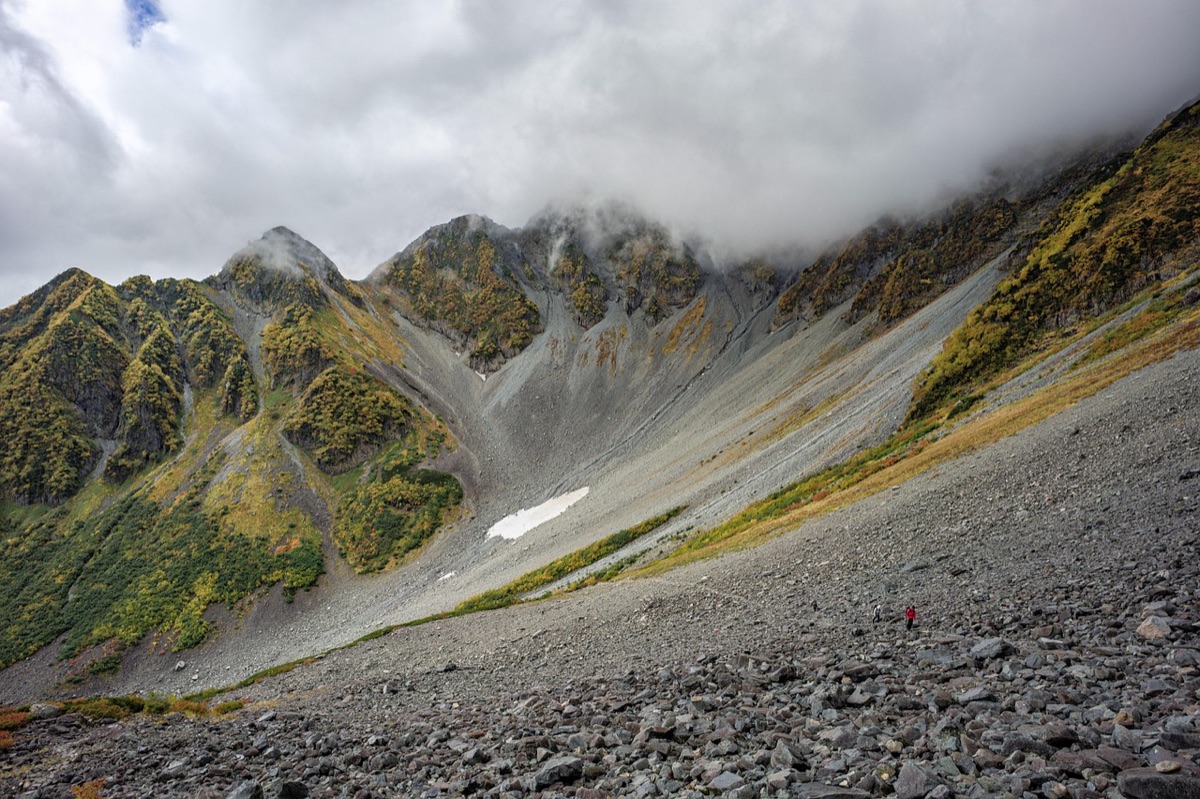
How do I plan my Tre Cime trek? The sound of trekking poles clicking against the gravel marks the start of a long, winding path that snakes through the high-altitude terrain. Your breathing is heavy but rhythmic as you navigate the undulating trails that lead toward the base of the towers.
The most popular way to experience this icon is the classic loop circuit, which typically begins at the Rifugio Auronzo toll road access point. For most hikers, the round trip takes between 3 to 5 hours depending on your pace and how often you stop to catch a breath or snap a photo.
While the elevation gain is manageable for those with moderate fitness, the terrain can be rocky and uneven, earning it a "moderate" difficulty rating.
To prepare for this trek, you should pack in layers. Even in mid-summer, the temperature can drop rapidly if clouds roll in or the wind picks up. Essential gear includes broken-in hiking boots with good ankle support, a minimum of 2 liters of water capacity, and a lightweight windbreaker.
For those looking for more of a challenge, you can extend the trek by venturing toward the Cadini di Misurina or higher passes, which significantly increases the physical demand and time required.
| Feature | Standard Loop | Advanced Extension |
|---|---|---|
| Difficulty | Moderate | Strenuous |
| Time Estimate | 3–5 Hours | 6–8+ Hours |
| Terrain | Gravel/Dirt Paths | Steep Scree/Rocky Scrambles |
| Best For | Families & Photographers | Experienced Trekkers |
But what happens when the sun goes down and the crowds disappear?
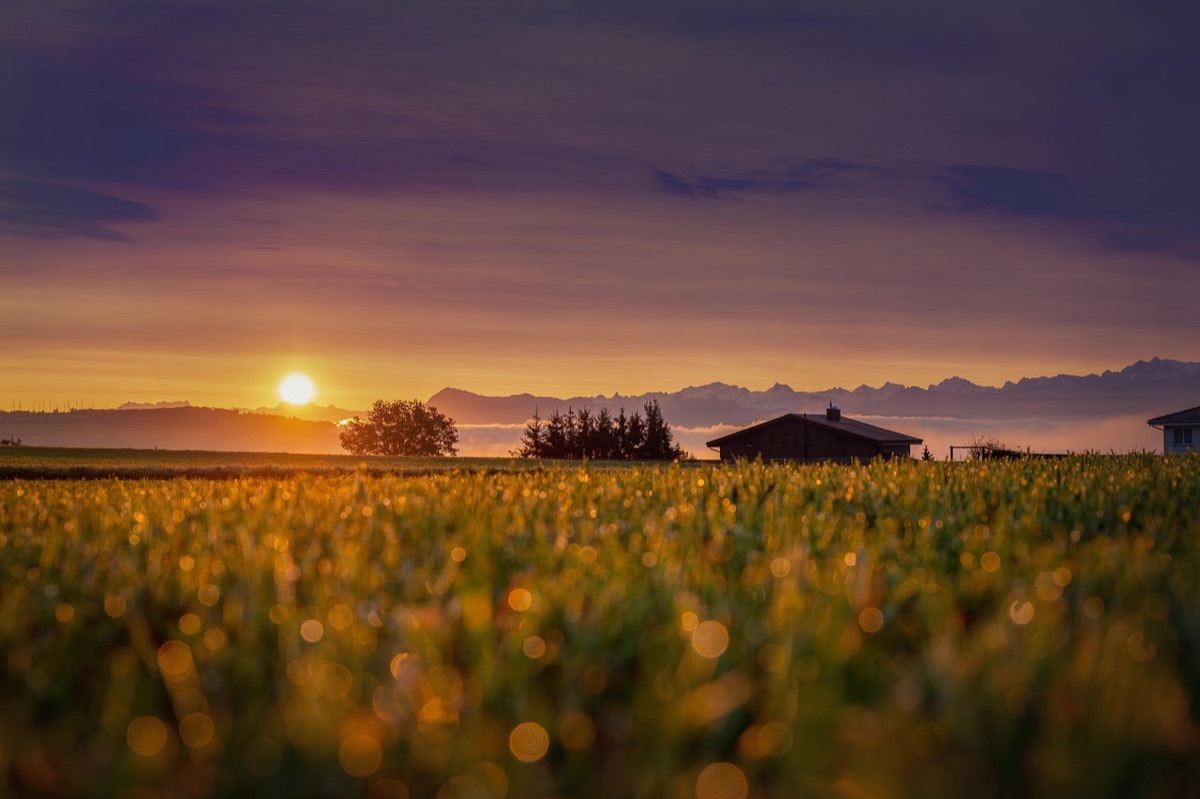
How do I handle camping and basecamp logistics? The sun dips below the horizon, leaving a purple haze over the valley, and you find yourself looking for a place to set up camp before the temperature plummets. The transition from day to night in the high Dolomites requires a careful balance of adventure and respect for the environment.
When it comes to staying overnight, you have three main choices: staying in a mountain hut (Rifugio), wild camping, or using designated campsites.
It is vital to note that wild camping within the National Park boundaries is strictly regulated and often prohibited to protect the fragile Alpine ecosystem. Most visitors opt for the Rifugios—high-altitude mountain huts—which provide beds, warmth, and hot meals.
If you are looking for a more rugged experience, you must look for designated camping areas or stage your backpacking gear in areas that comply with local Leave No Trace (LNT) principles. Seasonal timing is everything for camping.
In the late spring or early autumn, snowpack can still linger in the higher passes, making overnight stays risky without proper cold-weather gear.
For those planning a self-sufficient trek, always carry a lightweight stove and follow strict waste disposal protocols; you must pack out everything you pack in to preserve the pristine environment. However, even the best gear won't save you from a bad shot.
Capturing the Icon: Photography Hotspots & Timing
The camera lens struggles to capture the sheer scale of the stone giants as the sun begins to crest the eastern ridge. You adjust your tripod, setting the aperture to catch the sharp transition between the deep blue sky and the glowing, leathery rock.
The "Golden Hour" is the most important concept for any photographer visiting the Tre Cime. Because of the specific mineral composition of the rock, the peaks undergo a phenomenon known as *enrosadira*, where the stone turns shades of vibrant pink, orange, and red during sunrise and sunset.
To catch this, you should ideally be at a high vantage point—such as the trails between Rifugio Lavaredo and the peaks—well before the sun rises.
For those wanting the "hero shot" of the three towers, the view from the way up from Rifugio Auronzo is classic, but the most dramatic compositions often come from the lower trails looking up.
If you want to avoid the crowds that gather at the main viewpoints, consider trekking toward the Paterno group to get a side-angle shot of the towers. Always remember to bring a wide-angle lens for the vast landscapes and a telephoto lens to compress the scale of the peaks in your shots.
But even with the perfect shot, you have to survive the elements first.
Optimal Season & Weather Realities
The transition from the warmth of a summer afternoon to the biting chill of a mountain night happens in a heartbeat. You pull your fleece tighter around your chest as the wind begins to howl through the gaps in the rock.
The best time to visit is between late June and late September. During these months, the trails are generally clear of snow, and the weather is most predictable. However, even in July, you must be prepared for sudden thunderstorms.
Alpine weather is notoriously fickle; a clear blue sky can turn into a heavy downpour within minutes.
If you visit in late spring, you may encounter snow-covered trails that require microspikes or trekking poles for stability. Conversely, late autumn can bring much colder temperatures and early frosts. Always check the local South Tyrolean weather reports before setting out each morning.
Getting There & Essential Preparation
The winding road climbs higher with every turn, the engine straining slightly as the massive walls of the Dolomites close in on both sides. You check your map one last time, ensuring you have the right pass for the toll road access.
Getting to the Tre Cime usually involves traveling to Cortina d'Ampezzo or Misurina. From there, you can take a local bus or drive up the toll road to Rifugio Auronzo.
Note that the toll road is expensive and can be crowded during peak season, so arriving very early in the morning is the best way to secure parking and avoid the heaviest traffic.
When I first planned this trip in 2025, I underestimated how much the altitude would affect my pace. I remember leaning against a cold stone wall at 2,300 meters, gasping for air, realizing that my city-based fitness didn't translate to the steep incline of the Dolomites.
Preparation Checklist:
- Physical Training: Incorporate incline walking or stair climbing into your routine weeks before the trip.
- Navigation: Download offline maps of the area, as cell service can be spotty in the deep valleys.
- Hydration & Nutrition: Pack high-calorie snacks and ensure you have a way to purify water if you are trekking long distances.
- Layering System: Use a base layer that wicks sweat, a mid-layer for warmth, and a waterproof outer shell.
- Local Laws: Research current permit requirements for the specific trekking routes you intend to take.
#
Comments 0