Mountain running global governance: 20% Vertical guide
"The mountains demand a structured stage where athletes can test their limits against the terrain and each other."
The World Mountain Running Association (WMRA) serves as the primary global governing body for the sport, providing the necessary oversight for international competitions.
This organization oversees diverse race categories including Classic, Vertical, and Long Distance formats to ensure standardized competition across different terrains.

Key takeaways include the role of WMRA in managing global championships, the variety of race categories available to athletes, and the historical transition of the sport's governing structures.
How does the WMRA mountain running body manage global competition?
An athlete stands at the starting line of a steep ridge, breathing in the thin air before the whistle blows. The World Mountain Running Association (WMRA) functions as the global governing body of mountain running to ensure consistent standards for all participants.
This oversight allows for a structured environment where athletes from various member nations can compete under unified rules.
According to Wikipedia, the World Mountain Running Championships is an international mountain running competition contested by athletes of the members of WMRA, the sport's global governing body.
This competition, previously known as the World Mountain Running Trophy until 2008, provides a centralized platform for elite mountain runners. By managing these championships, the association facilitates a legitimate international competitive environment.
However, these management protocols may not apply to local club-level events that operate independently of international oversight. I will address the administrative framework in the following section.
What is the structure of the global mountain race structure?
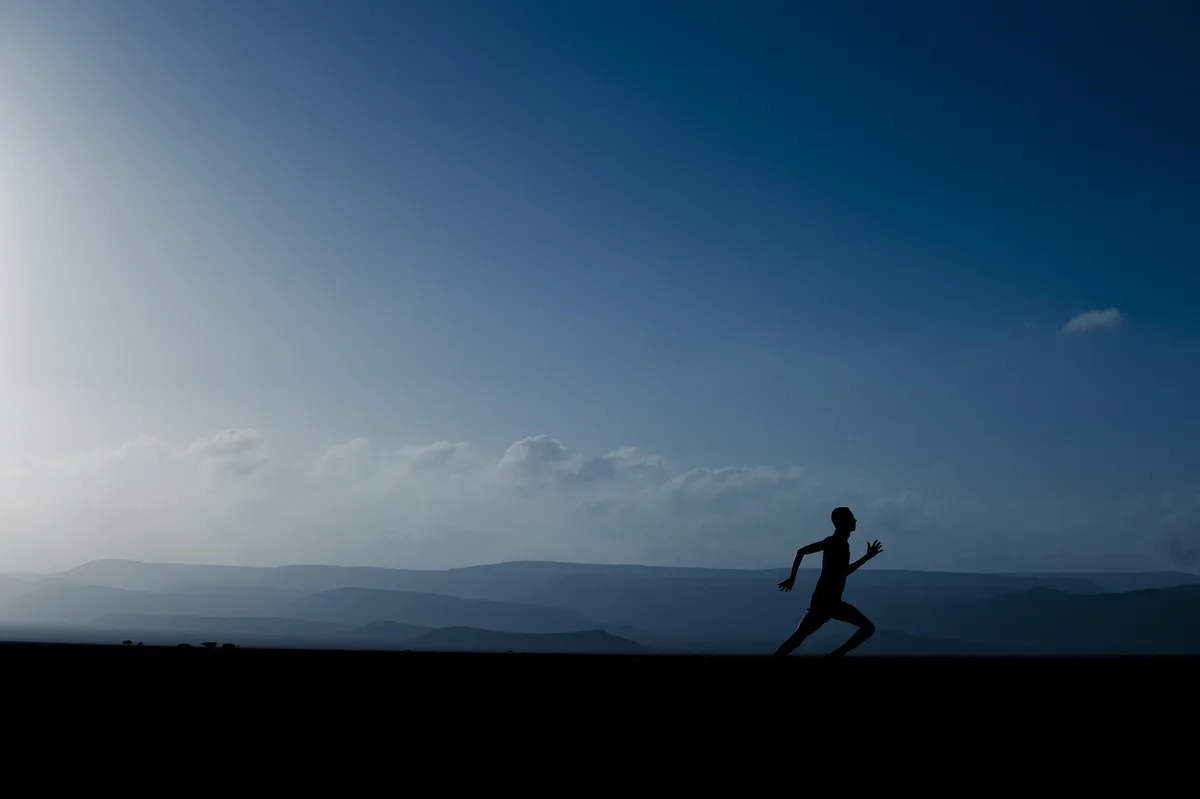
A runner ascends a grueling incline, checking the gradient to ensure it meets the specific requirements of a vertical race. The global mountain race structure is designed to accommodate different types of terrain and physical challenges through specialized categories.
These categories ensure that different styles of mountain running are recognized and properly regulated.
The series encompasses a variety of races in categories including: 1. Classic (Up & Down) 2. Vertical (Steep Uphill > 20%) 3. Long Distance Mountain Running
There are usually at least three races making up each category. This diversity allows the WMRA mountain running body to cater to different athletic specialties, from pure climbing to endurance-based mountain treks.
Nevertheless, the effectiveness of this structure can be limited when regional regulations conflict with global guidelines. This section provides the most detailed overview of the hierarchy.

According to World Bank, the 2025 record includes 73.6%.
How do international running competition standards apply to different terrains?
A competitor navigates a technical descent, mindful of the rules governing the specific race type they entered. Establishing global mountain running standards allows for fair play across various geographical locations.
Because terrain varies significantly worldwide, the governing body must ensure that race categories remain distinct yet comparable.
The association manages various disciplines to keep the sport organized. For instance, the vertical category specifically targets steep uphill climbs exceeding 20% gradient.
This level of detail in the global mountain race structure ensures that an athlete's performance is measured against appropriate benchmarks.
Yet, these standards may be difficult to implement in extreme environments where natural conditions override standardized course requirements. I will elaborate on these technicalities in the next part.
What were the historical changes in the WMRA mountain running body?
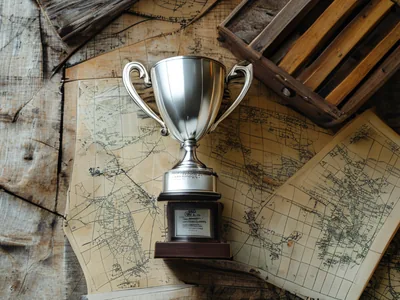
A veteran runner looks back at old trophies, noting the change in the organization's name and scope. The transition from the International Committee for Mountain Running to the World Mountain Running Association (WMRA) marked a significant shift in the sport's administration.
According to The World Mountain Running Association, the World Mountain Running Association (WMRA), formerly the International Committee for Mountain Running, is the global governing body of mountain running.
This evolution reflects the growing scale and professionalization of mountain running on a global level.
The WMRA mountain running body has refined its identity to better represent the international community. This rebranding helped solidify the organization's role as the primary authority.
Through this transition, the association moved from a committee-based structure to a more robust global governing body.
However, these historical shifts do not necessarily reflect the current operational status of the organization. I will focus on the chronological progression in this sequence.
What are the specific race categories for athletes?
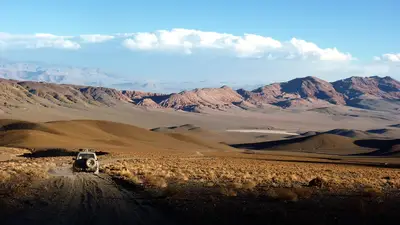
A mountain biker and a runner share a trail, representing the diverse outdoor activities that overlap with mountain running. The established categories provide a clear path for athletes to specialize in specific types of movement.
Each category requires different levels of preparation and physiological conditioning.
The variety of race types includes: * Classic (Up & Down) * Vertical (Steep Uphill > 20%) * Long Distance Mountain Running
I observed how these categories allow for a wide range of athletic expressions within the same sport. Each category typically consists of at least three races to maintain a consistent competitive series.
Still, these categories may not accommodate every niche discipline emerging in the sport. I will explain the classification details in the following paragraph.
Mountain running global governance
Related
- 985m Gain: Extreme Vertical Races Test Runner's Limits
- 7.5km to 86.9km: Comparing Mountain Race Course Difficulties
How does the WMRA ensure the integrity of the competition?
The WMRA maintains the integrity of the competition by applying unified rules to all participants globally. This standardization allows for a direct comparison of performances across different international race sites.
The mountains demand a structured stage where athletes can test their limits against the terrain and each other, and the WMRA provides this framework.
This global governing body is responsible for sanctioning the World Mountain Running Championships. These championships serve as the ultimate test of skill against the established international standards.
The association's oversight ensures that the competition remains fair and adheres to established protocols.
Competitors must adhere to the specific mandates of the race category they entered, whether it is Classic, Vertical, or Long Distance. This adherence to rules is critical for the validity of the results presented at the championships.
However, oversight effectiveness can be limited when monitoring remote race locations. I will point to the procedural steps in the subsequent section.

Comments 0