985m Gain: Extreme Vertical Races Test Runner's Limits
"The mountain doesn't care how fast you run on the flats; it only cares how much gravity you can overcome."
Vertical racing is a brutal equation where distance is secondary to the sheer weight of the earth pulling against your stride. To master these races, athletes must transition from being mere runners to becoming masters of vertical displacement and technical terrain.
* Vertical races prioritize altitude gain (meters) over horizontal distance (kilometers), testing pure power-to-weight ratios. * Success requires a blend of cardiovascular engine, eccentric muscle strength for descents, and technical footwork for rugged terrain. * The modern racing landscape ranges from explosive, steep climbs to massive, multi-thousand-meter endurance loops.
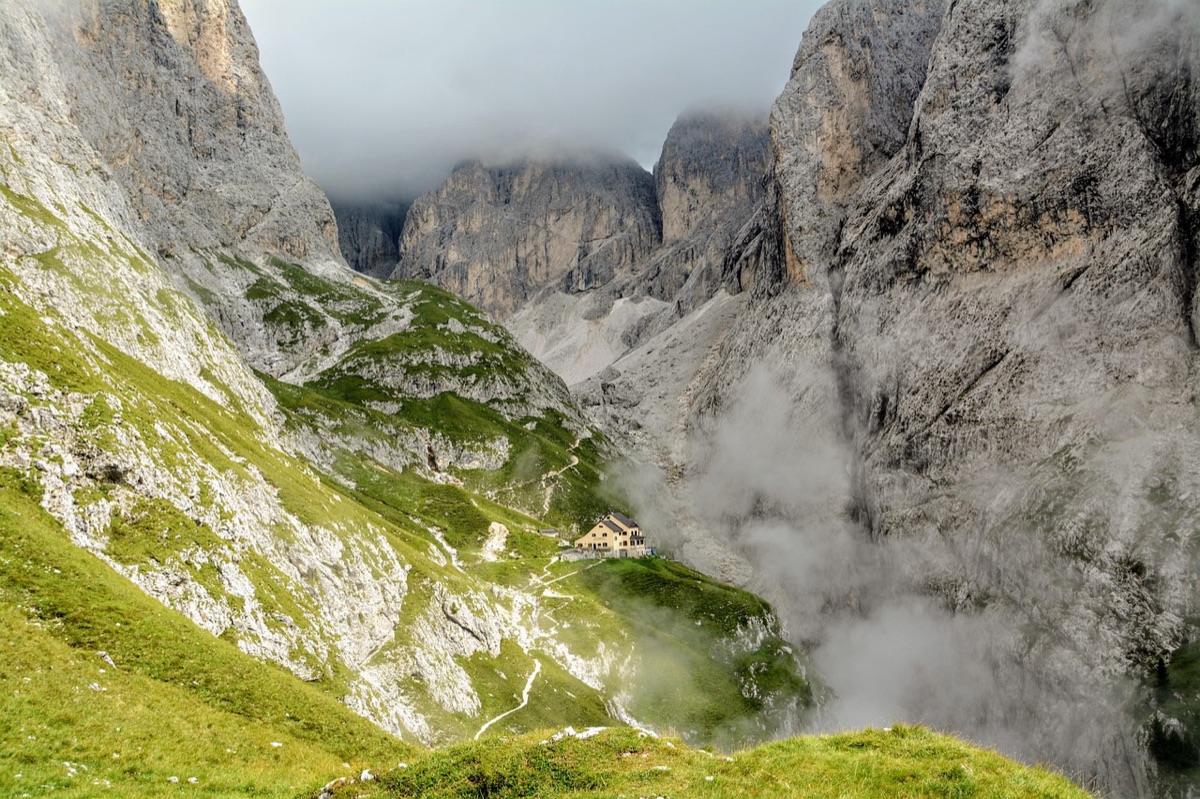
What Defines a True Vertical Ascent Race?
The sun hasn't yet crested the jagged horizon, but the air is already thin and biting as a runner tightens their laces for the first time that morning. There is no flat pavement here, only the relentless upward tilt of the earth.
According to the World Bank, the world recorded high-technology share of manufactured exports of 24.7% in 2024.
In traditional road running, the distance is the primary metric of effort. In mountain running, the relationship between distance and vertical gain changes everything.
A race might only be a few kilometers long, but if the gradient is steep enough, it becomes a test of vertical displacement rather than aerobic cruising.
For instance, certain competitive events feature a distance of 6.4 km with a massive 985 m difference in height, turning a short distance into a grueling vertical battle. The spectrum of these races is wide. Some are "Classic" formats, which involve both massive climbs and technical descents.
Others are "Vertical" races, which focus almost exclusively on the ascent, often featuring gradients exceeding 20%.
To see the extreme ends of this spectrum, consider the difference between a focused 14.3 km effort with 775 m of ascent and a massive 81.2 km ultra-marathon that demands 5,410 m of both ascent and descent. Each requires a completely different physiological engine.
But how do you actually survive the physical toll of moving upward?

Why does the terrain demand so much more strength?
A runner's foot slips on a patch of loose scree, sending a cascade of stones skittering down the slope as they fight to maintain their footing. The transition from a steady stride to a technical scramble happens in a heartbeat.
Running on a mountain is not just running; it is a constant negotiation with gravity and geology. The biomechanics of uphill running are fundamentally different from flat-ground running. Instead of the rhythmic pendulum of the legs, the body engages in a series of explosive, vertical thrusts.
This places immense stress on the calves, Achilles tendons, and glutes. Unlike flat running, where the impact is primarily vertical, mountain running involves lateral stability and the constant management of uneven surfaces. Navigational skill is equally critical.
A runner must be able to read the terrain—identifying where the footing is stable and where a "shortcut" might actually lead to a dangerous ledge.
Pacing strategy must also be fluid. On a flat road, you might aim for a consistent split. In the mountains, you must master the "surge and recover" method, pushing through steep sections and managing the heavy eccentric load of descents to avoid muscle failure before the finish line.
But strength is only half the battle; the environment itself is a moving target.
How do you survive the changing environment?
The clouds roll in unexpectedly, swallowing the trail in a thick, grey veil that makes the world feel suddenly small and claustrophobic. The temperature drops ten degrees in minutes.
Environmental variables are the silent judges of every mountain race. Altitude sickness is a constant threat when moving through significant elevation changes, requiring strict acclimatization protocols.
Weather in the mountains is notoriously unpredictable; a clear morning can turn into a freezing storm by midday.
The structure of the race dictates the logistical burden. In "Up & Down" races, the descent can be just as punishing as the climb.
For example, a 44.5 km race with 3,660 m of both ascent and descent requires much more than just climbing strength; it requires incredible leg durability to survive the thousands of meters of downhill impact.
Race organizers must provide clear definitions of these formats so athletes can prepare for the specific physiological toll of the course. However, preparing for these variables requires more than just luck.

How should you prepare for the ultimate challenge?
A heavy pack sits low on the hips, and the scent of pine and damp earth fills the lungs during a training session on a steep, winding trail. The preparation is as much about mental grit as it is about physical strength.
Training for vertical races cannot be done on a treadmill alone. While treadmills help with incline, they do not replicate the variable footing or the "push-off" required by natural terrain. Training must focus on vertical gain capacity—climbing as many meters as possible within a weekly quota.
| Training Focus | Primary Benefit | Key Exercise Example |
|---|---|---|
| Vertical Capacity | Increases power-to-weight ratio | Steep hill repeats |
| Eccentric Strength | Prepares legs for descents | Controlled downhill running |
| Technical Agility | Improves stability and balance | Trail running on uneven scree |
| Aerobic Base | Sustains long-duration effort | Long, steady-state mountain hikes |
Gear selection is another critical pillar. Shoes must provide enough grip for technical rock but enough cushioning for long descents. Hydration packs must be balanced so they don't shift during steep climbs. Most importantly, safety is non-negotiable.
Every runner must be self-sufficient, carrying enough warmth and navigation tools to survive if they become separated from the main group or caught in a weather event.
When I first started training for these climbs in 2024, I thought my road marathon pace would translate. I was wrong. My legs felt like lead after just 400 meters of vertical gain. To avoid that mistake, follow this progression:
- Build the Base: Spend 4 weeks focusing on low-intensity, long-duration hikes with significant elevation to condition your joints.
- Develop Power: Integrate 2 days of hill repeats per week, focusing on explosive upward movement.
- Train the Descent: Once a week, practice controlled downhill running to build eccentric muscle strength.
- Simulate the Race: Every 3 weeks, perform a "vertical day" where you attempt to match the total ascent of your target race.
- Test Gear: Use your training sessions to ensure your pack weight doesn't cause chafing or balance issues on steep grades.
It is important to note that this training is not for everyone. If you have existing knee issues or chronic Achilles problems, the heavy eccentric load of mountain running can be dangerous. Always consult a professional before attempting massive vertical shifts.
But how do we handle the questions that arise after the race is over?




Comments 0