High Altitude Gear: Survival Checklist for Summit Success
"At 26,000 feet, a faulty zipper or a torn glove isn't an inconvenience; it is a death sentence."
When you are standing in the death zone, the margin between a successful summit and a catastrophic rescue is measured in grams and degrees. Choosing gear is not about comfort—it is about managing the physiological breakdown caused by hypoxia and extreme cold.
Key Takeaways * Survival vs. Comfort: At high altitude, gear must prioritize thermal regulation and oxygen management over mere convenience. * Mission-Specific Loading: Your gear profile must shift drastically between self-supported climbs and guided expeditions.
* The Redundancy Rule: Technical failure at altitude leaves you with zero margin for error; always carry backups for navigation and communication. * Physiological Defense: Gear is your primary tool to combat HACE and HAPE, the fatal consequences of altitude sickness.

Why Does Gear Selection Determine Survival at Altitude?
The wind howls against the nylon of a tent at midnight, and the only sound is the ragged, shallow breathing of a climber struggling to pull enough oxygen into their lungs. The cold isn't just a sensation; it is a physical force that pulls heat from the body with every passing second.
According to World Bank data, the world recorded a high-technology share of manufactured exports of 24.7% in 2024.
At extreme altitudes, the body undergoes a violent physiological shift. Hypoxia—the lack of oxygen reaching the tissues—impairs judgment and coordination, making even simple tasks like changing a glove a life-threatening struggle. This physiological toll dictates your gear needs.
If your insulation cannot maintain core temperature while your metabolism is taxed by the thin air, you face rapid hypothermia.
The difference between "comfortable" and "survival" gear is found in the insulation values and the ability to function under duress.
For example, a standard down jacket might suffice for a weekend in the Rockies, but an expedition-grade parka is required to prevent the body from shutting down in the Himalayan death zone. Furthermore, the weight of your gear directly impacts your ability to acclimatize.
Carrying excessive weight increases oxygen consumption, which can accelerate the onset of altitude sickness.
The danger of weight versus mission profile is a constant calculation. In commercial expeditions where Sherpas move the bulk of the load, clients can often keep their backpack weights under 10 kilograms (22 lb).
However, for those attempting self-supported peaks, the load can exceed 30 kilograms (66 lb), drastically increasing the physical strain and the risk of exhaustion.
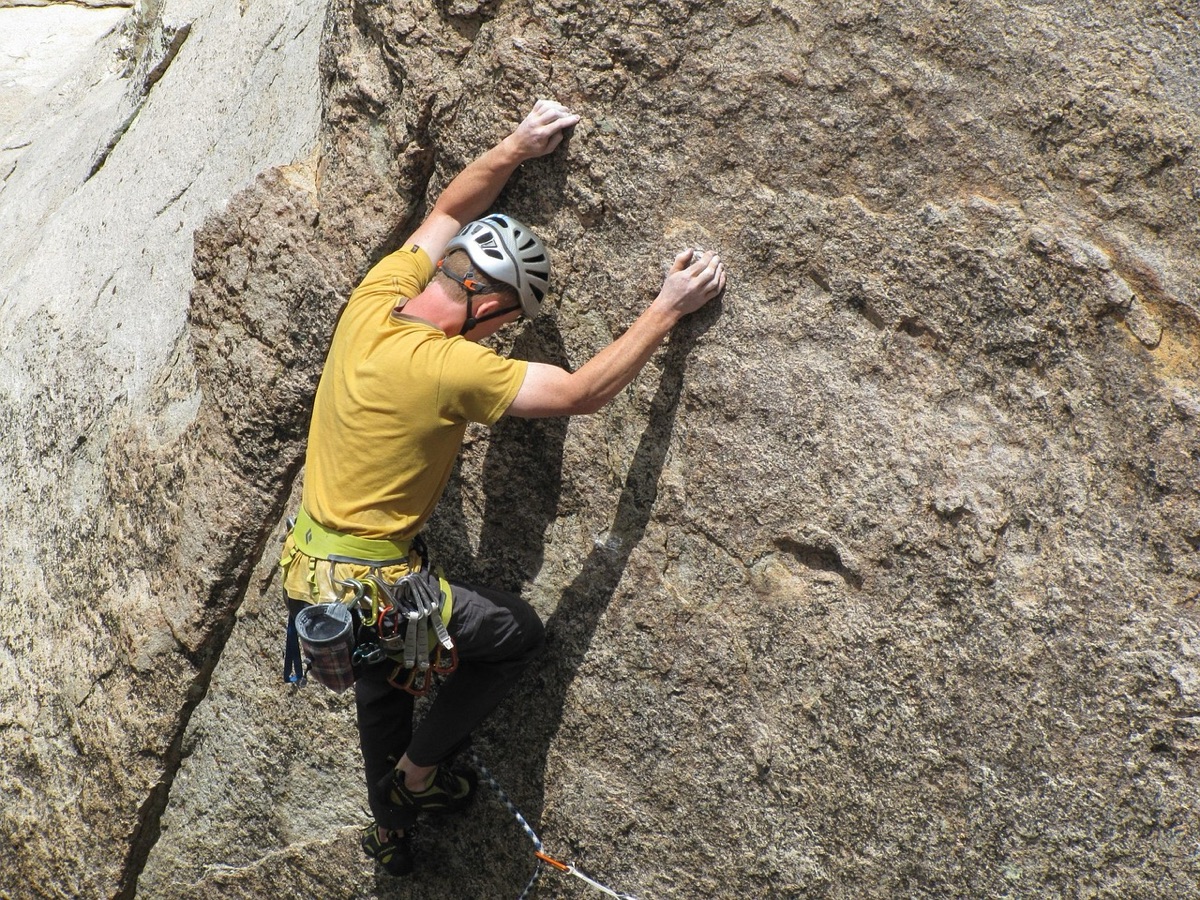
What are my absolute mountaineering essentials? A climber sits on a frozen ledge, fumbling with a frozen glove to adjust a headlamp, eyes squinting against the blinding white of a sudden snow squall. The metal of a carabiner feels unnaturally cold against bare skin.
The foundation of any high-altitude kit is a sophisticated layering system. This is not just about wearing many clothes; it is about managing moisture and trapped heat. A base layer of merino wool or synthetic moisture-wicking fabric is essential to move sweat away from the skin.
Mid-layers, such as heavy fleece or specialized synthetic insulation, provide the bulk of the warmth, while a rugged, windproof outer shell protects against the elements.
Extremity protection is where many climbers fail. Boots must be double or triple-layered and crampon-compatible to prevent frostbite. Gloves should follow a modular system: thin liners for dexterity and heavy, insulated mittens for the summit push.
Headwear must include both a moisture-wicking cap and a windproof balaclava.
Technical hardware and navigation are the lifelines of the ascent. Ropes and protection gear must be selected based on the specific technicality of the route.
For example, a technical alpine climb requires lightweight, dynamic ropes and specialized ice tools, whereas a high-altitude trek might prioritize stability and durability. For navigation and emergency communication, redundancy is the law.
A GPS unit is helpful, but a satellite messenger and a physical map and compass are non-negotiable backups.
| Gear Category | Essential Item | Primary Purpose |
|---|---|---|
| Base Layer | Merino Wool / Synthetic | Moisture management and thermal regulation |
| Insulation | High-fill Down / Synthetic | Trapping body heat in extreme cold |
| Outer Shell | Gore-Tex / Hard Shell | Wind and waterproof protection |
| Hardware | Crampons / Ice Axe | Traction and self-arrest on ice/snow |
| Emergency | Satellite Messenger | SOS and communication in remote areas |
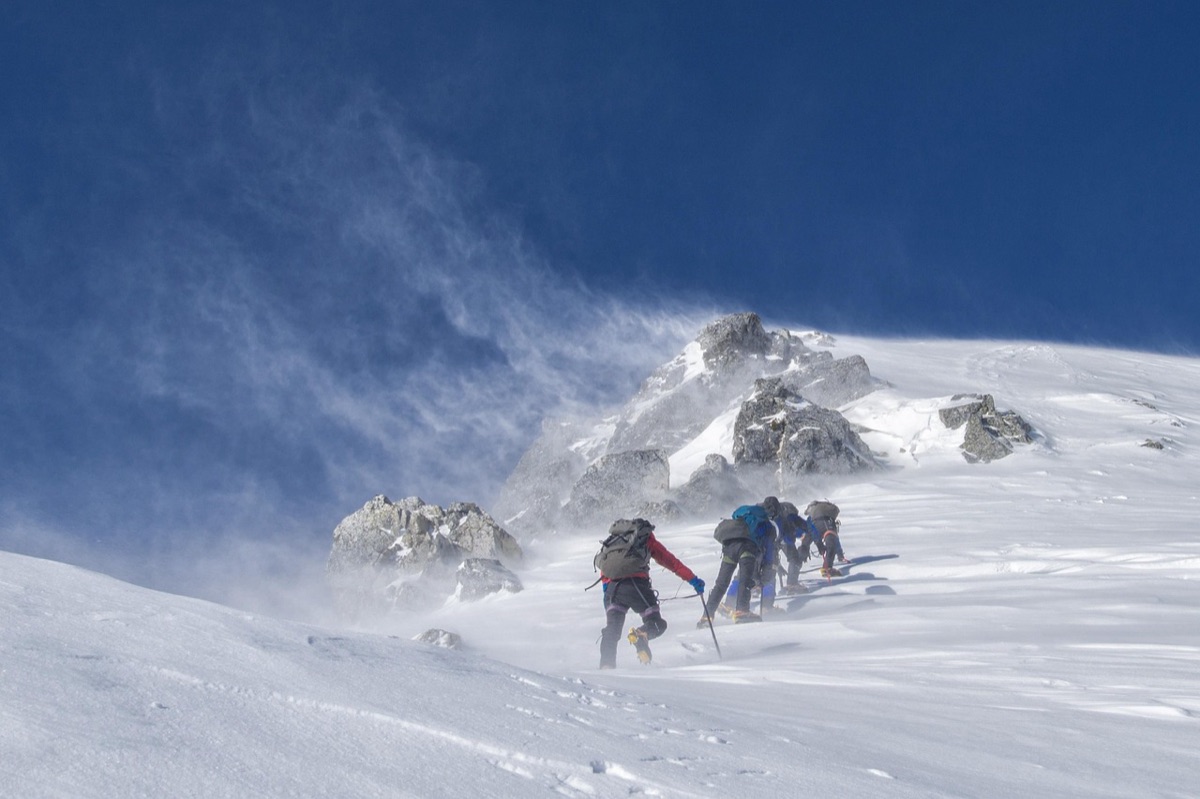
How do I tailor my gear for specific peaks? The sun rises over the jagged peaks of the Denali massif, casting long, blue shadows across a landscape of moving glaciers and treacherous crevasse fields. The air is thin, and the wind carries a biting chill that penetrates even the thickest layers.
The gear you pack for a trek in the Himalayas will look nothing like the kit required for a technical ascent on Denali. High-altitude versus technical ascents require different load management strategies.
On a commercial peak, the logistics often allow for a lighter pack, whereas a self-supported climb requires carrying enough food, fuel, and shelter to survive weeks of isolation.
Oxygen dependency is another critical variable. On the world's highest peaks, supplemental oxygen is often a requirement for survival and descent, whereas on lower, albeit still high, peaks, it may be an unnecessary weight.
The choice to use oxygen can be the difference between maintaining enough cognitive function to navigate and falling victim to the lethargy of hypoxia.
Environmental variables also dictate the kit. A peak known for extreme wind and low temperatures, like Denali, requires heavy-duty, windproof gear and robust shelter systems.
In contrast, a peak with deep snowpack and avalanche risks requires specialized avalanche safety gear, including probes and shovels, and more versatile climbing hardware.
Beyond the Ascent: Camp, Recovery, and Descent Gear
A climber collapses into a sleeping bag at a high camp, the sound of the wind outside a constant reminder of the thin line between life and death. The heavy breathing of a teammate in the next tent is the only sign of life in the dark.
The gear used at high camp is just as vital as the gear used on the summit. High camp protocols require gear that can facilitate rest and recovery in a minimal environment. This includes four-season tents, high-R-value sleeping pads, and extreme-cold sleeping bags.
The ability to melt snow for water and cook hot meals is essential for maintaining hydration and caloric intake.
Descent gear is often overlooked, yet the descent is frequently the most dangerous part of a climb. Fatigue and the "summit fever" euphoria can lead to complacency.
The gear used to get up the mountain—ropes, harnesses, and descent devices—must be in perfect working order and used with the same rigor during the descent.
Rescue and contingency gear should always be part of the plan. This includes emergency bivouac sacks and first-aid kits designed for trauma and altitude-related issues.
Post-climb recovery gear, such as electrolyte replenishment and medical stabilization tools, is necessary to manage the immediate physical toll of the expedition upon returning to lower elevations.
Safety Protocols: When Gear Fails
A climber sits on a rock, head in hands, as the realization sets in that the oxygen regulator is malfunctioning and the descent must begin immediately. The silence of the mountain is heavy and unforgiving.
When gear fails or the body breaks, the consequences can be immediate and fatal. One of the most critical dangers is the progression of mountain sickness.
Recognizing the signs—such as ataxia (loss of coordination), confusion, or extreme shortness of breath—is vital.
If you suspect HACE or HAPE, the gear and the action required are the same: immediate descent and, if possible, supplemental oxygen. There is no "waiting it out" at altitude. The gear you carry should facilitate this rapid descent.
Always perform pre-trip simulations. Test every piece of gear—your stove, your oxygen regulator, your GPS—in cold, challenging environments before you ever step foot on the mountain. If a piece of gear is unreliable in a controlled environment, it will fail you when the stakes are at their highest.
#




Comments 0