Extreme Cold Mountaineering: Surviving Below -20 Degrees
"The winter mountain is silent, but that silence is the most intense conversation for survival."
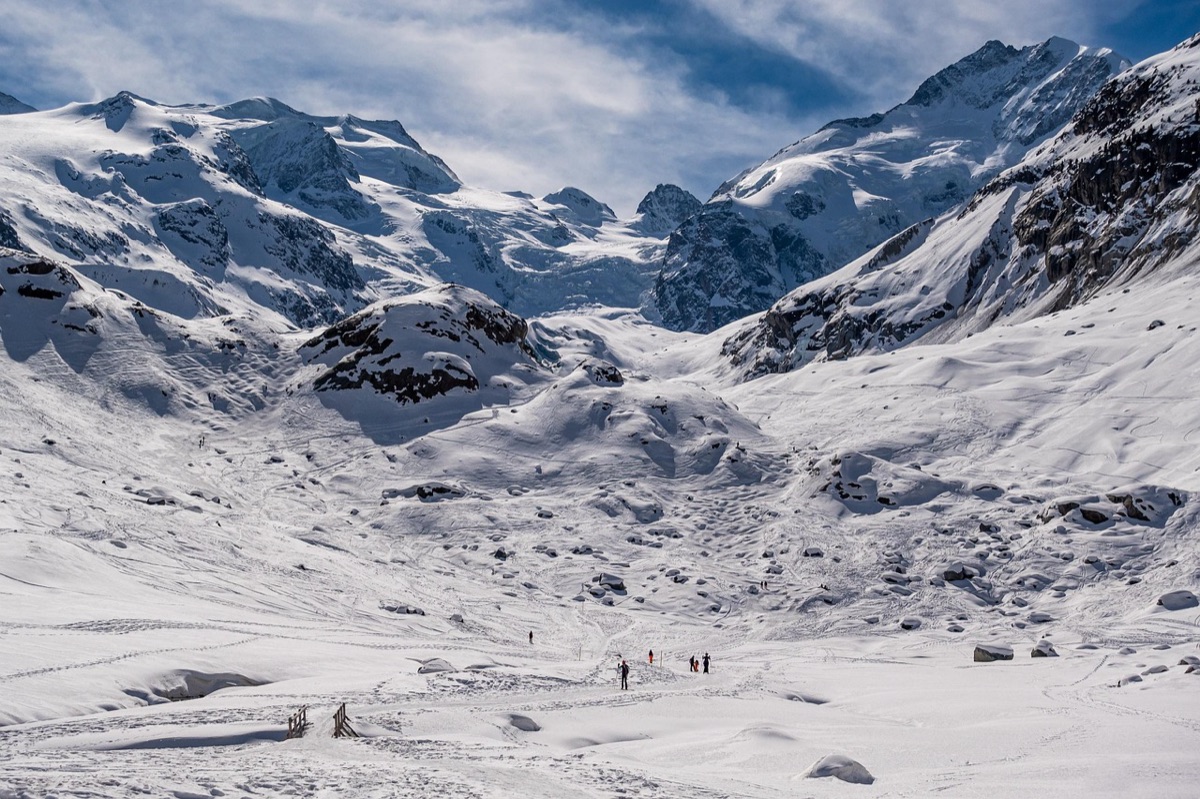
Winter hiking is not about vibrant autumn leaves or lush greenery; it is an entry into a world of white stillness and biting winds. Where the crowds of summer once gathered, there is now only a profound sense of awe and an unforgiving environment that permits no mistakes.
* The Allure of Silence: Facing overwhelming landscapes and the beauty of isolation in a snow-covered wilderness. * Thorough Preparation: Having the right gear and knowledge to respond to sub-zero temperatures and volatile weather. * Safety First: Practical rules to protect yourself from snow, ice, hypothermia, and altitude sickness.
Why do we step into the frozen wilderness?
The first step into a snow-covered mountain at dawn breaks the silence with a sharp crunch, and the frigid air bites deep into your lungs.
At 5:00 AM, I shoulder a heavy 15-kilogram pack in a small lodge near the base of a mountain range, where the darkness hasn't yet lifted. The air feels sharp against my skin, and the only sound is the rhythmic crunch of boots on fresh powder.
In the winter of 2025, data from mountainous regions hit by record-breaking cold snaps showed that the difficulty of winter trekking has been increasing annually. According to World Bank data, the world recorded a share of internet users of 73.6% in 2025.
Winter hiking is not just a walk; it is an encounter with nature in its most primal form. While summer mountains overflow with life, winter mountains offer an art of lines, planes, and shifting light across the snow.
However, behind this beauty lies a set of strict physical laws. When temperatures plummet, the immediate priority shifts to the survival task of maintaining body heat. This environmental pressure can heighten focus, making the eventual sense of achievement even greater.
The charm of a winter mountain lies in fleeting moments. When sunlight spills through the clouds and reflects off ice crystals, or when the Milky Way meets the jagged white ridges, we experience a sense of awe impossible to find in daily life.
But if you become mesmerized by the scenery and neglect your preparation, that fleeting moment can quickly turn into a crisis.
How do we manage gear and body temperature in extreme environments?
The moment you step out of a tent into -20°F weather, the cold air rushes in, momentarily stealing your breath. Sweaty clothes can rapidly sap your body heat, and your fingers quickly lose all sensation.
Despite the advancement of high-performance materials in 2026, managing body temperature remains the most difficult challenge.
The core of winter hiking is layering. You need a base layer to wick sweat, a mid-layer for insulation, and a shell layer to block wind and moisture.
You must pay special attention to sweat generated during activity. Losing body heat as sweat cools is one of the most dangerous moments in winter. Therefore, you should wear several thin layers while moving and immediately add insulating layers when you stop to secure your warmth.
| Category | Essential Gear | Primary Role & Notes |
|---|---|---|
| Feet | Crampons, Gaiters, Mountaineering Boots | Prevent slipping and keep snow out; ankle support is mandatory. |
| Hands | Mittens, Thin Liner Gloves | Mittens are recommended for warmth; always carry extra gloves. |
| Head | Balaclava, Beanie, Goggles | Protects head to prevent 40% of heat loss and protects eyes. |
| Back | Pack Cover, Thermos, Hand Warmers | Protects gear and provides a heat source for warmth. |
In winter, your judgment is just as important as the physical performance of your gear. For example, in extreme cold approaching -40°F, moisture in the air can freeze into "diamond dust" or ice needles.
In these environments, battery life drops rapidly, so a practical tip is to keep electronic devices inside your clothing to maintain them with your body heat.
However, having the right gear does not mean all risks have vanished.
How can we capture perfect shots of the snowy landscape?
Looking through a camera lens at a snow-covered mountain makes it feel as though you have arrived on another planet. You peer through the viewfinder, wiping frost from the lens while waiting for that perfect sliver of light.
Even high-resolution cameras released in 2025 show the physical limitation of rapidly declining battery efficiency in sub-zero temperatures.
The key to winter photography is the contrast between light and shadow. Because snow has high reflectivity, shots can easily end up looking washed out or lose detail in the highlights.
- Aim for the Golden Hour: The low-angle light just after sunrise and before sunset brings out the texture of the snow.
- Embrace the Blue Hour: The blue light right after sunset maximizes the cold, quiet atmosphere of the mountain.
- Use a Tripod: Low temperatures often require longer shutter speeds, making a tripod essential. Always keep spare batteries in an inner pocket to prevent them from dying.
- Adjust White Balance: While you might want to adjust white balance to capture pure white snow, adding a slight blue tint can enhance the characteristic cold feeling of winter.
You must not forget to maintain your body temperature while shooting. If you lose sensation in your fingertips while trying to press the shutter, it can become dangerous. Manage your warmth by wearing thin liner gloves under your heavy mittens, switching between them as needed.
But if you become so mesmerized by the beauty in the lens that you lose sight of the dangers under your feet, that moment can lead to an irreversible accident.
Essential safety rules and life-threatening risks
A sudden blizzard can white out your vision, and deep snow can make you lose your sense of direction with every step. There are moments when even a compass and map feel useless, and fear begins to set in.
Even in 2026, the primary cause of winter rescue incidents remains impaired judgment due to worsening weather.
The greatest thing to watch out for in winter hiking is unpredictability. Temperature changes and snow accumulation change by the minute, which directly impacts survival.
* Watch for Hypothermia: Be wary of the rapid temperature drop when you stop moving. Always keep extra insulating layers in the top section of your backpack. * Altitude and Physical Response: In high-altitude regions, dropping temperatures can combine with oxygen deprivation. Mountain sickness may progress to HACE (high-altitude cerebral edema) and HAPE (high-altitude pulmonary edema), both of which can be fatal within 24 hours. * Slopes and Crevasses: A snow-covered terrain might look peaceful, but there can be deep holes or weak snow bridges underneath. Always use trekking poles to check the firmness of the ground before proceeding.
Safety is not a matter for compromise. If weather conditions deteriorate or your physical strength drops rapidly, deciding to descend immediately is the most courageous action you can take.
A 5-step checklist for winter hiking
A successful winter trek requires thorough planning and preparation before you even leave home.
- Verify Precise Weather Data: Check the detailed forecast not just for your starting point, but for the specific mountain destination. Use advanced weather apps, but always cross-reference with local conditions.
- Re-evaluate Route Difficulty: Difficulty increases sharply with snow accumulation. Beginners must stick to verified, well-maintained paths.
- Secure Energy Sources: The body consumes much more calories to maintain heat in the cold. Prepare high-calorie snacks (chocolate, nuts) providing at least 300–500 kcal per serving, along with plenty of warm water.
- Inspect Emergency Gear: Pack a headlamp (with extra batteries), a multi-tool, a rescue whistle, and a first-aid kit.
- Practice LNT (Leave No Trace): While snow might cover everything, littering damages nature and pollutes the environment. Always carry all trash back out with you.
| Preparation Stage | Core Checklist Item | Execution Tip |
|---|---|---|
| Before Departure | Weather and Snow Depth | Avoid strenuous hikes if snow depth is too high. |
| Gear Inspection | Crampons and Poles | Ensure attachment points are not loose or broken. |
| On Arrival | Body Temp and Condition | Perform sufficient stretching and nutrition before starting. |
| After Descent | Drying and Organizing | Dry wet gear immediately to prevent mold and corrosion. |

Comments 0