7-9 Months Open: Your Guide to Summiting Majestic Fuji
"To step into the realm of the gods is to realize that your world will never be the same."
Climbing to the summit is not just about conquering height; it is a process of standing humbled before the majesty of nature. This guide provides the practical strategies needed to encounter this icon in the safest and most beautiful way possible.
* Optimal Season: The official climbing season is open only from early July to early September. * Route Selection: Consider the Yoshida Trail for beginners or the Fujinomiya Trail for more experienced hikers. * Essential Preparation: Booking mountain huts and preparing for altitude sickness are non-negotiable survival strategies.
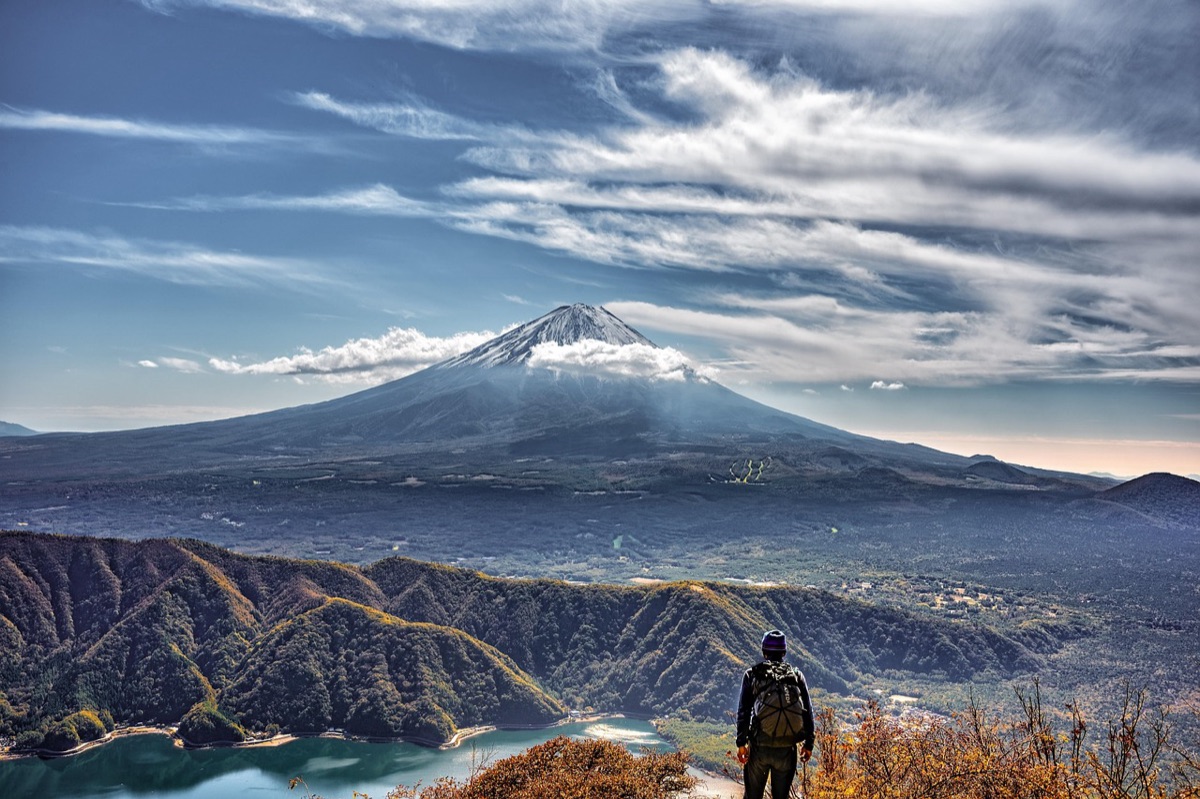
How big is this celestial peak really? The biting wind stings my cheeks as I stand in the shadow of the massive volcanic silhouette at dawn.
The air is biting at 4:00 AM, and I wake up in the courtyard of a small mountain hut, the cold air stinging my lungs. As a red glow begins to bleed over the horizon, the massive volcanic silhouette breaks through the darkness.
Located about 62 miles southwest of Tokyo, the mountain is visible from the city on clear days. It serves as more than just a topographical landmark; it is a cultural and spiritual centerpiece.
In September 1860, Sir Rutherford Alcock completed the first recorded foreign ascent, climbing the mountain in 8 hours and descending in 3 hours.
The geological history of this volcano is profound. While the nearby Ashitaka Volcano was active between 400,000 and 100,000 years ago, the ongoing presence of this peak reminds us of the earth's constant dynamism. Standing in the shadow of such a giant, the feeling of awe is unavoidable.
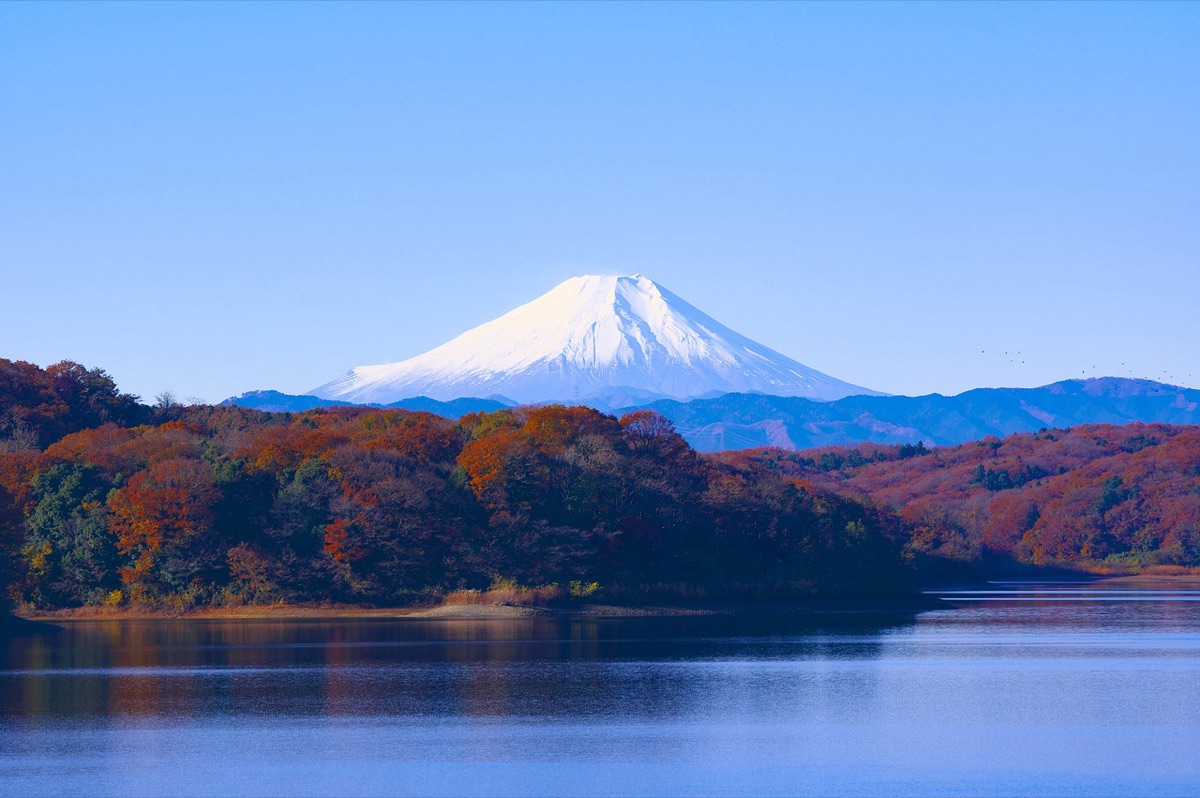
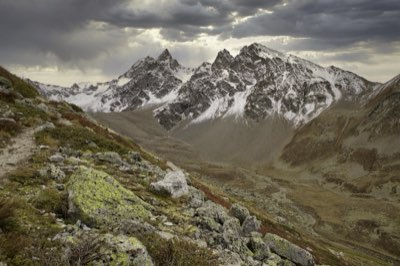
Which path is the right one for me? I tighten my boot laces one last time and spread my map across a flat rock. The texture of the volcanic ash beneath my feet feels strange and shifting, a constant reminder that I must decide my direction carefully.
The climb is generally divided into four main routes. Each offers a different experience based on accessibility, steepness, and scenery.
| Route Name | Primary Characteristics | Recommended For |
|---|---|---|
| Yoshida Trail | Most popular with well-equipped huts | Beginners and sunrise seekers |
| Subashiri Trail | Longer distance with gentler slopes | Fit, intermediate hikers |
| Fujinomiya Trail | High altitude and direct access | Experienced climbers seeking speed |
| Gotemba Trail | Primarily used for descent | Those wanting scenic downward treks |
Choosing a route requires a realistic assessment of your fitness. For example, you must account for terrain that includes elevations between 4,921 and 8,202 feet with slopes greater than 2 degrees.
Because the change in altitude is so rapid, you cannot simply calculate based on distance; you must consider the physical toll of the vertical climb.
Hut reservations and basecamp strategies
I drop my heavy pack in a narrow hut hallway and wipe the sweat from my forehead. The space is cramped, but this tiny room is my only sanctuary tonight and my basecamp for tomorrow's summit push.
The biggest variable in a successful climb is accommodation. During the summer season, mountain huts are in extremely high demand. If you do not book in advance, you risk spending a dangerous night exposed to the elements near the summit.
- Utilize Reservation Systems: Most major huts operate online reservation systems. It is highly recommended to complete your bookings at least two to three months before the season begins. 2. Strategic Positioning: If your goal is to witness the sunrise, choosing a hut at a higher elevation is advantageous. 3. Budgeting for Stays: While prices vary by facility, stays often include a bed and a basic breakfast. 4. Supplying Essentials: While huts sell basic items, you should always carry your own snacks and sufficient water.
The golden hour for the perfect shot
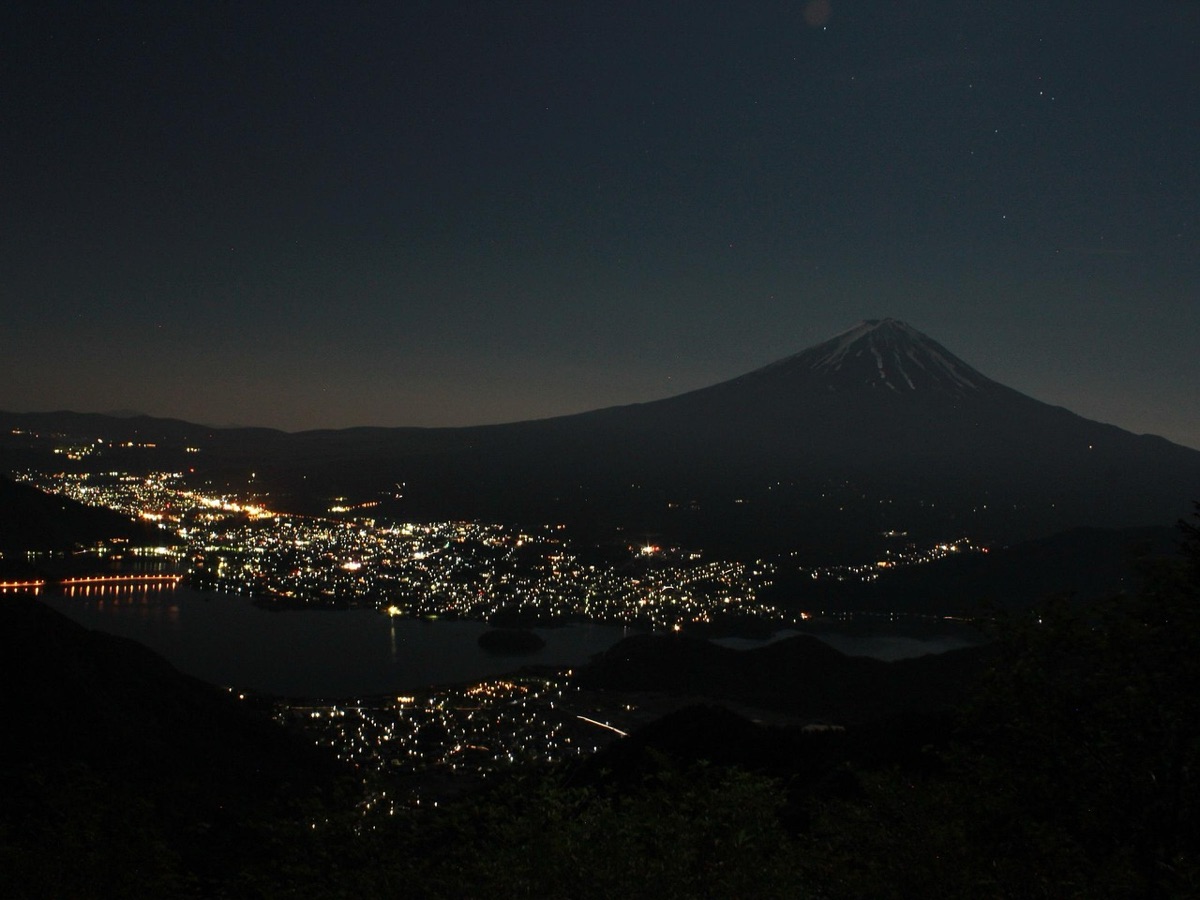
I wipe the dew from my camera lens and watch the sun's movement. As the first light of the rising sun spills over the ridge, the exhaustion of the climb seems to vanish in an instant.
The scenery changes dramatically depending on the time of day and the weather. For photographers and hikers alike, the most precious moment is *Goraiko*, the sunrise.
* Sunrise Points: Starting from the 5th Station and staying in a high-altitude hut allows you to witness the sunrise above a sea of clouds. ak * Stargazing: At night, in the higher reaches, the lack of city light allows the Milky Way to appear with incredible clarity. * Seasonal Context: Clear summer days provide the best visibility, but you must prepare for the extreme temperature swings between the warmth of the day and the chill of the night.
Dealing with extreme weather and seasons
A sudden shroud of fog and a biting wind wrap around me. I pull my windbreaker tighter, reminded once again of how quickly nature can change its mind.
The official climbing season typically runs from early July to early September. Outside of this window, the environment is covered in snow and ice, making a standard climb nearly impossible.
Historical records show extreme temperature fluctuations; for instance, the lowest recorded temperature reached -36.4 °F in February 1981, while the highest was 64.0 °F in August 1942. This demonstrates the extreme temperature shifts you can encounter.
Even in summer, you must have functional, warm clothing to survive the cold at the summit.
Weather is highly unpredictable. Sudden rain or fog can drop visibility to zero and cause body temperatures to plummet. Always check the forecast and maintain the flexibility to descend immediately if conditions deteriorate.
Essential gear and safety rules
I check the weight of my backpack one last time before stepping forward. A heavy load causes pain, but inadequate gear can be life-threatening.
To ensure a safe ascent, you must be prepared with the right equipment and a disciplined mindset.
Essential Gear List 1. Hiking Boots: Sturdy, ankle-supporting boots are recommended to protect against volcanic ash and uneven terrain. 2. Layering System: Use a moisture-wicking base layer, an insulating mid-layer, and a waterproof/windproof outer shell. 3. Headlamp: This is essential for nighttime trekking or early morning ascents. Always carry spare batteries. আক্রমণ 4. Hydration and Nutrition: Energy depletion happens fast at high altitudes. Carry electrolyte drinks and high-calorie snacks. 5. First Aid Kit: Pack a basic kit including altitude sickness medication, disinfectants, and bandages.
Core Safety Rules * Watch for Altitude Sickness: As oxygen levels drop, symptoms like headaches, dizziness, or nausea can occur. If these arise, you must descend or rest immediately. Pushing through can be fatal. * Leave No Trace: Carry all trash back down with you. Protecting the environment is part of respecting the mountain. * Control Your Descent: Going down is just as important as going up. Watch your footing to prevent falls and protect your joints.
| Category | Warning Sign | Recommended Action |
|---|---|---|
| Physical State | Ignoring altitude sickness | Descend or rest immediately upon symptoms |
| Nutrition/Hydration | Dehydration and exhaustion | Maintain regular water and snack intake |
| Weather Changes | Sudden temperature drops | Always carry and wear thermal layers |
Comments 0