Booking Alpine Refuges: Planning Your Dream Trekking Stay
Navigating the Alpine Refuge System: Your Essential Guide to Safe, Authentic, and Memorable Stays on High-Altitude Treks.
Staying in an alpine hut is the difference between merely walking through the mountains and truly living within them. It is a transition from being a spectator of the landscape to becoming a temporary inhabitant of the high peaks.
Key Takeaways
* Alpine huts are vital infrastructure, serving as both essential shelter and critical safety hubs during multi-day treks. * Advance booking is mandatory; peak season availability is often determined months in advance. * Safety protocols, including altitude acclimatization and weather awareness, must always take precedence over summit goals. * Respecting local etiquette and Leave No Trace principles ensures the sustainability of these remote environments.
Why Are Alpine Refuges Vital to the Trekking Experience?
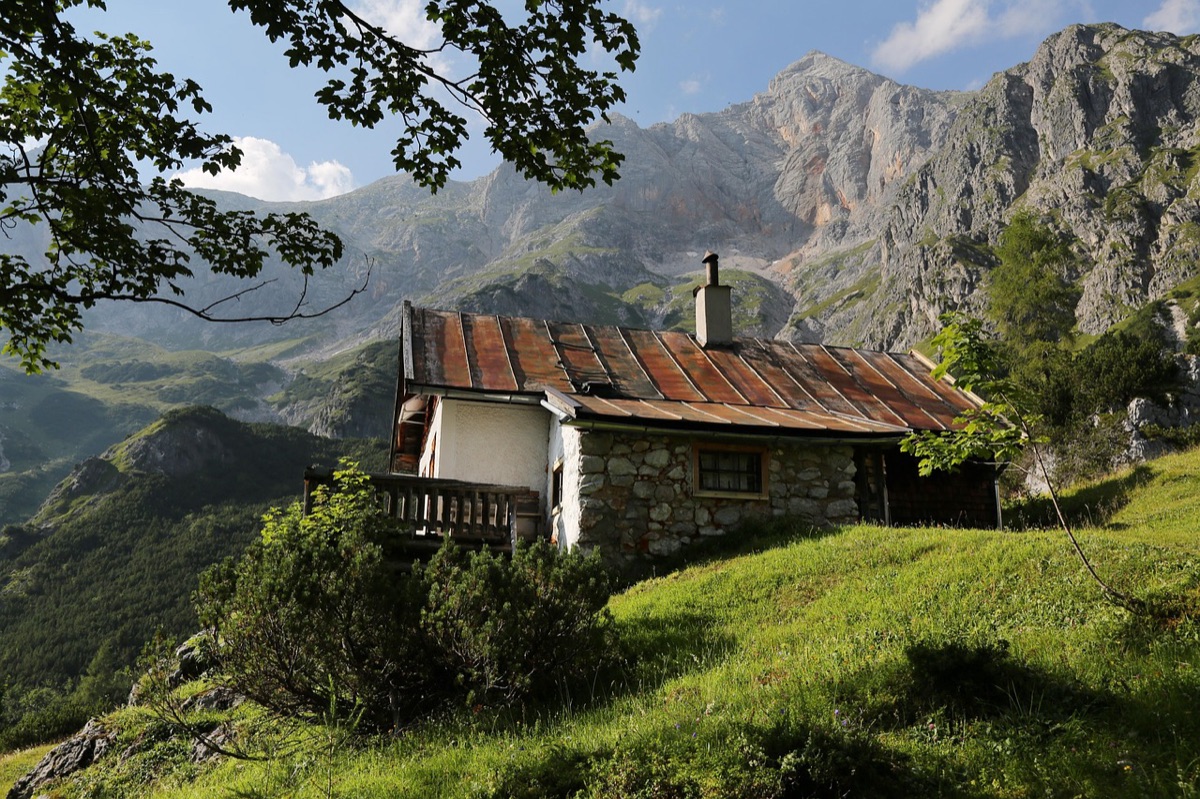
The smell of woodsmoke and the sound of heavy boots on timber floors greet you as you push through the heavy door of a remote hut in the Dolomites. Outside, the wind howls through the jagged limestone peaks, but inside, there is a palpable sense of communal warmth.
These structures are far more than simple hotels in the mountains; they are the lifelines of the trekking world.
In regions like the Tour du Mont Blanc (TMB) or the Alta Via routes, these huts provide the only reliable access to food, water, and emergency communication in vast stretches of wilderness. They serve as logistical waypoints that dictate the very rhythm of a trek.
You do not plan a route based on how far you can walk in a day, but rather on the locations of these vital hubs. In the summer of 2025, I remember standing on a balcony in the High Tatras, looking at a map of hut locations to decide if my legs could handle the next 12-kilometer ascent.
It wasn't about the distance; it was about knowing where the next warm meal waited.
Beyond pure utility, there is a deep cultural immersion at play. In the Swiss Alps or the Italian Dolomites, the *rifugio* culture is a centuries-old tradition. Unlike a modern hotel where you are an anonymous guest, a hut is a communal home.
You share long wooden tables, communal sleeping quarters, and the collective stories of the day's trek with strangers who quickly become traveling companions.
This infrastructure also supports the local mountain economy, ensuring that high-altitude trails remain maintained and accessible through managed human presence.

How do I handle booking, costs, and logistics? A heavy backpack rests against your legs as you check your paper map one last time before the final ascent to the hut. The sun is dipping low, casting long, purple shadows across the valley below, and you realize you must confirm your arrival time.
Securing a bed in a popular alpine hut requires significant foresight. For the 2026 peak summer season, you often need to book through official mountain club websites or via email months in advance.
When booking, you will typically encounter two options: "bed only" (often in a dormitory) or "half-board" (which includes dinner and breakfast). For most trekkers, half-board is the standard, as it simplifies logistics and ensures you are fueled for the next day.
Pricing varies by region and level of service, but you should prepare for the following general ranges: * Dormitory Bed (Half-board): €60–€90 ($65–$98) per person. * Private Room (if available): €120–€180+ ($130–$195+) per person.
* Additional Meals/Drinks: Budget an extra €20–€30 per day.
Regarding gear, you cannot simply show up with a standard backpack. Most huts require a lightweight sleeping bag liner (silk or cotton) for hygiene in communal bunks. High-altitude essentials like a reliable headlamp, trekking poles, and a reusable water bottle are non-negotiable.
Upon arrival, there is usually a strict check-in protocol. Most huts have a set time for dinner—often between 6:00 PM and 7:30 PM—and you are expected to be present and ready by then.
How do I manage high altitude and emergencies? The air feels thin and sharp, making every breath a conscious effort as you climb higher into the clouds. Your head throbs slightly, a reminder that the altitude is changing the very chemistry of your body.
Acclimatization is the most critical safety factor in alpine trekking. Acute Mountain Sickness (AMS) can affect anyone, regardless of fitness level.
The golden rule is to "climb high, sleep low." This means making strenuous ascents during the day but descending to a slightly lower elevation to sleep. If you experience persistent headaches, nausea, or dizziness, you must listen to your body and consider descending immediately.
In the event of an emergency, the hut warden is your primary contact. These individuals are trained in mountain rescue protocols and serve as the link to professional help.
If weather turns severe—such as sudden lightning storms or heavy snow—the hut provides a safe haven, but you must follow the warden's instructions without question.
In high-alpine environments, weather can change in minutes; always have a contingency plan to turn back if visibility drops or conditions become dangerous.
Environmental responsibility is also a safety issue. High-altitude ecosystems are incredibly fragile. Adhering to Leave No Trace (LNT) principles—such as packing out all trash and using only designated waste disposal areas—is mandatory.
In many remote areas, there is no way to manage human waste, so following the specific protocols provided by the hut management is essential to prevent contamination of water sources.
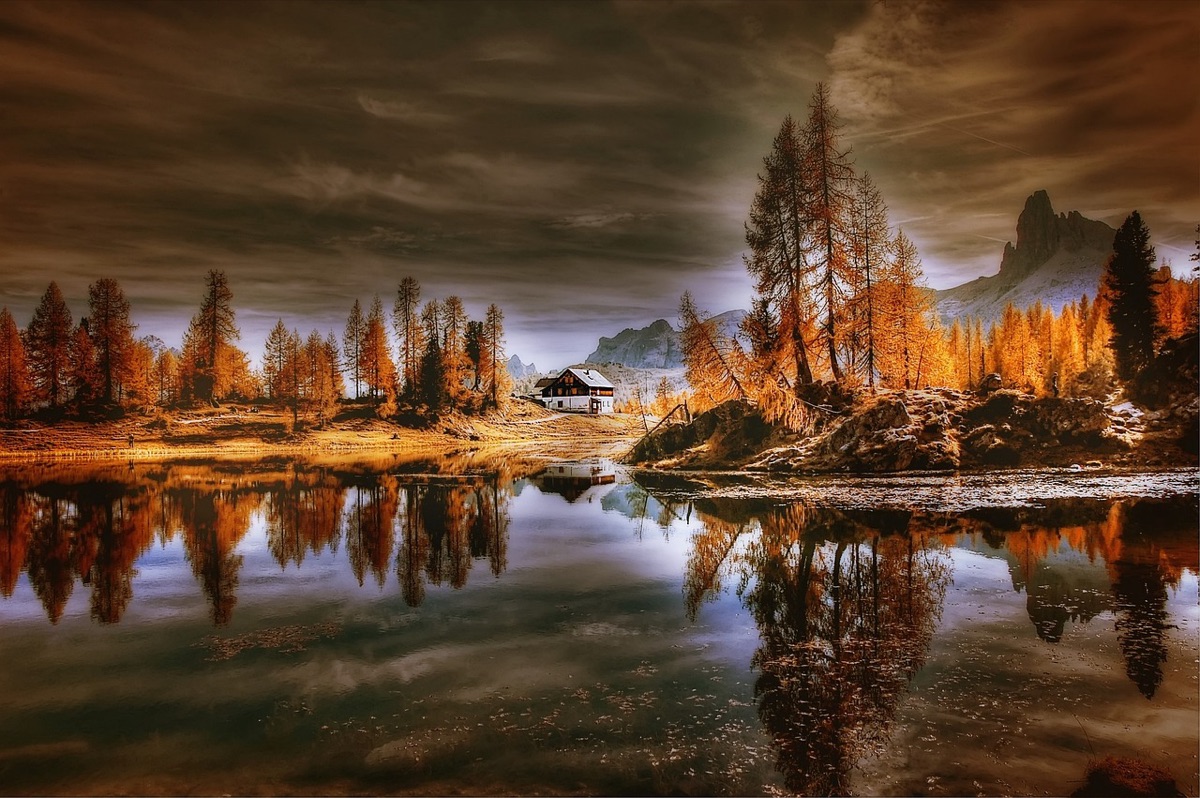
Etiquette and Harmony: Being a guest in the mountain home
The dining hall is filled with the clatter of cutlery and the low hum of multiple languages. You sit at a long table, nodding to a hiker from Germany and a climber from France, feeling the shared exhaustion of a long day on the trail.
Living in close quarters requires a specific set of social skills. In the communal dining hall, noise levels should be kept respectful, and there is usually a designated time for cleaning up. In many huts, you are expected to help clear your own plate or assist in basic chores.
Resource management is also a collective responsibility. Water, electricity, and heating are limited and often generated by solar power or mountain springs. Be mindful of long showers or excessive electricity use, as these can strain the hut's limited supplies.
Respecting the *gestione* (the management and staff) is vital. These individuals work incredibly hard in challenging conditions to keep the huts running. A simple "thank you" or a gesture of appreciation for a warm meal goes a long way.
| Feature | Dormitory Stay | Private Room Stay |
|---|---|---|
| Cost | Low (€60–€90) | High (€120–€180+) |
| Privacy | Minimal (shared bunks) | High |
| Availability | High | Low (requires long-term booking) |
| Atmosphere | Social and communal | Quiet and personal |
How Do I Prepare for My First Hut Stay?
You sit on the edge of your bed in a small, dim room, checking your gear one last time before the sun rises. The floor is cold, and the air is still, but you feel a sense of readiness as you organize your layers.
To ensure a smooth transition into mountain life, follow this preparation checklist:
- Verify Booking: Confirm your reservation via email/website and note the check-in deadline.
- Pack a Liner: Always carry a lightweight sleeping bag liner for hygiene.
- Prepare for Dinner: Arrive at the hut with enough time to settle in before the communal meal.
- Manage Altitude: Monitor your symptoms and prioritize gradual ascent.
- Respect Resources: Minimize water and power usage to support the hut's ecosystem.
While the dream of an alpine hut stay is one of adventure and beauty, it requires discipline. The mountains do not forgive carelessness, but they reward those who respect their rules and their rhythms.




Comments 0