High Altitude to Wild South: Andes Expedition Planning Guide
"The mountains do not care about your plans, only your preparation."
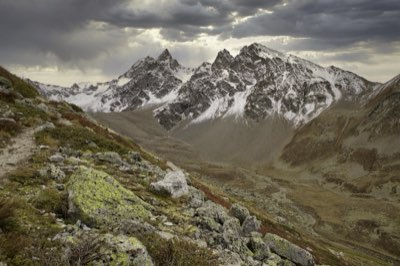
Whether you are standing in the thin, freezing air of the highest peak in the Western Hemisphere or trekking through the wind-swept granite spires of the far south, the Andes demand respect.
This guide bridges the gap between high-altitude mountaineering and wilderness trekking to help you plan the ultimate South American odyssey.
* Aconcagua: A high-altitude giant requiring serious physical preparation and acclimatization. * Patagonia: A world-class trekking destination defined by dramatic landscapes and variable weather. * Integrated Planning: A holistic approach combining technical mountaineering logistics with wilderness immersion strategies.
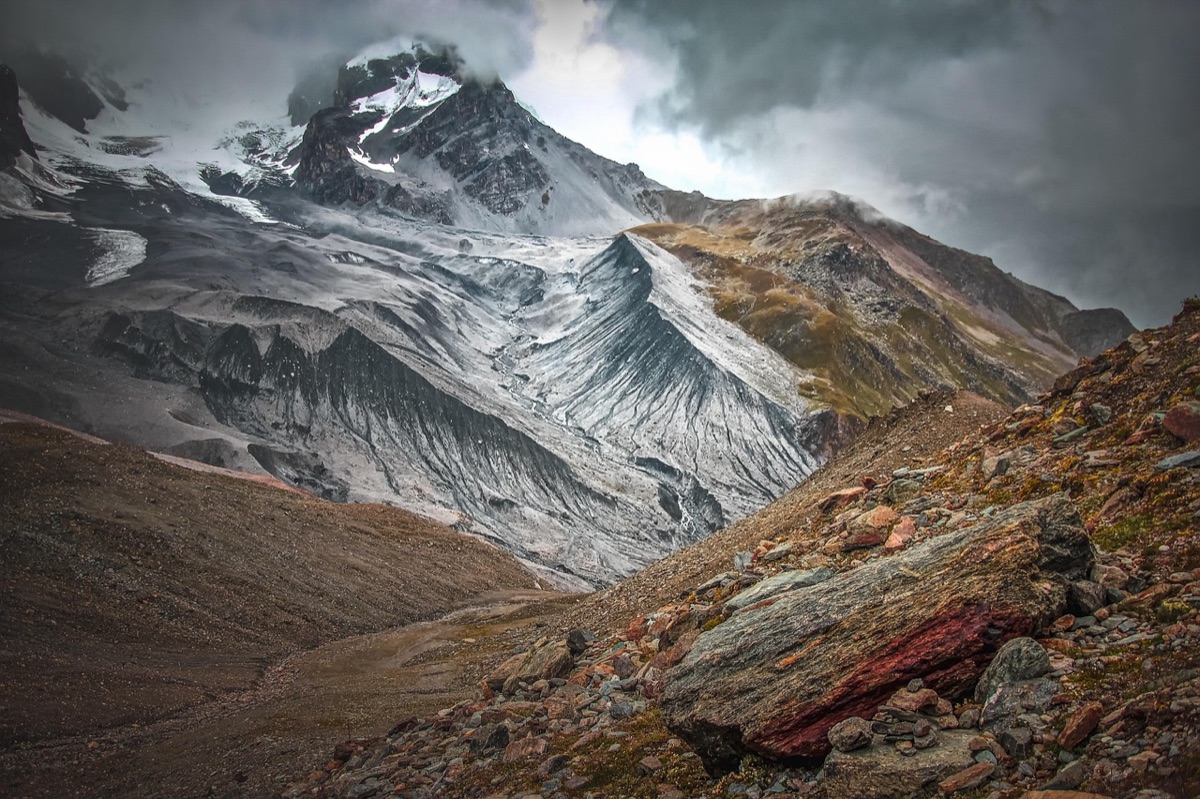
Can I summit South America's giant? The wind howls against the nylon of a high-altitude tent, and the air feels too thin to actually swallow. You sit on the edge of your sleeping bag, checking your oxygen saturation levels while looking out at a horizon that feels much closer to space than to sea level.
Aconcagua stands as the undisputed king of the Americas, located in Argentina. It is not just a mountain; it is a physiological test that draws climbers from every corner of the globe.
Because it reaches an elevation of nearly 23,000 feet, it represents a different level of challenge compared to standard trekking.
When planning an ascent, you must understand the routes. About 54% of climbers ascend the Normal Route, which is the most common path for those seeking the summit. Meanwhile, 43% of climbers take the Polish Glacier Traverse Route, and the remaining 3% opt for other more technical routes.
Most expeditions require significant time for acclimatization, often lasting several weeks to allow the body to adjust to the decreasing pressure. The physiological reality of the mountain is stark. At the summit, the atmospheric pressure is only 40% of what it is at sea level.
While the extreme altitude makes the air feel incredibly thin, the use of supplemental oxygen is not common among climbers.
This makes the ability to acclimatize the single most important factor in reaching the top. Success is far from guaranteed. While Provincial Park rangers do not maintain official records of successful summits, estimates suggest a summit rate of 30–40%.
The demographic of those attempting the climb is also diverse; about 75% of climbers are foreigners, while 25% are Argentinean.
The history of the mountain is written by those who push the limits of human endurance. In 2014, Kilian Jornet set a record by climbing and descending Aconcagua from Horcones in 12 hours and 49 minutes.
This feat was later surpassed by American Tyler Andrews in 2023, who completed the same journey in 11 hours and 24 minutes. In the realm of female mountaineering, Fernanda Maciel set a significant milestone in 2016 by climbing and descending from Horcones in 22 hours and 52 minutes.
But as daunting as the summit looks, the real test begins long before you reach the peak.
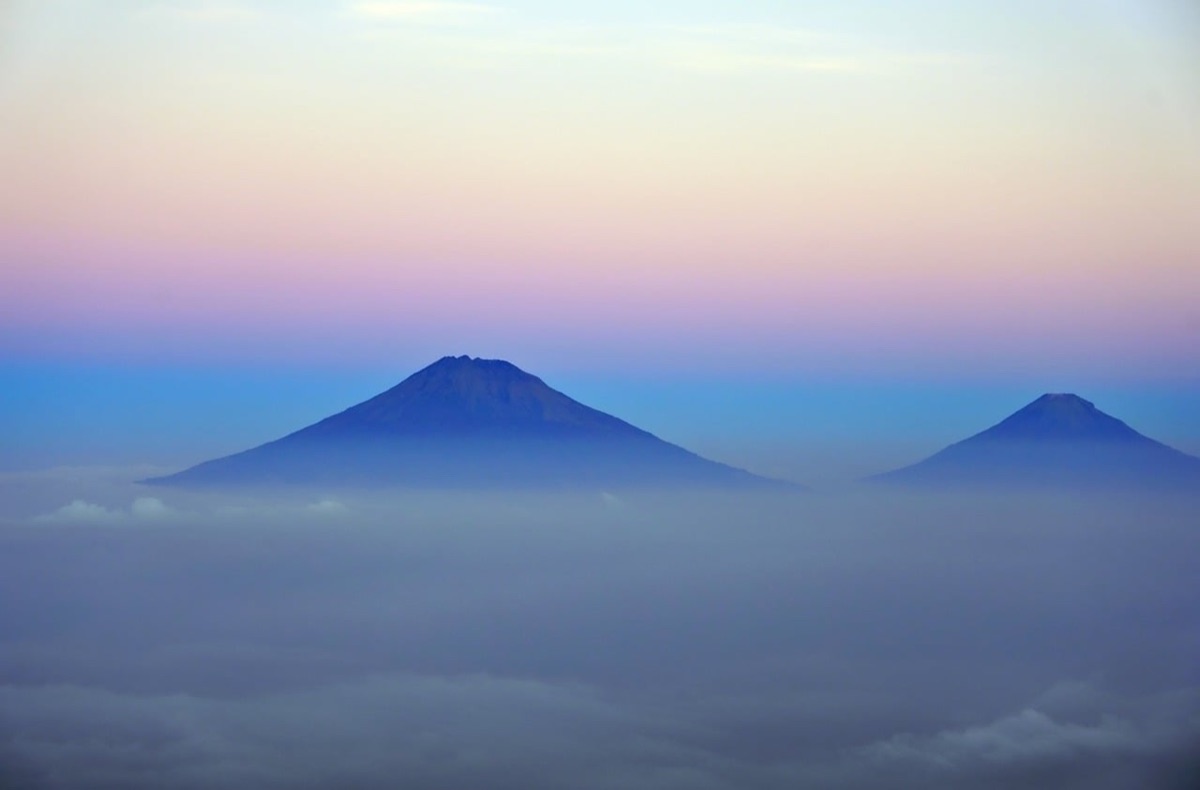
How can I immerse myself in the wild south? The smell of damp earth and ancient ice fills the air as you step onto a trail carved through a valley of granite. In Patagonia, the scale of the landscape is so vast that you often feel like a mere speck against the backdrop of jagged peaks and massive glaciers.
Patagonian trekking offers a starkly different experience from the high-altitude push of Aconcagua. While Aconcagua is about the vertical struggle, Patagonia is about the horizontal immersion into one of the most beautiful and rugged wilderness environments on Earth.
It is a place of vastness, where the weather can change from bright sunshine to a raging storm in a matter of minutes.
Planning a trip to Patagonia requires a focus on self-sufficiency. Unlike the more structured base camps of high-altitude climbs, trekking in regions like Torres del Paine or El Chaltén often involves moving between different campsites or remote refugios.
You must be prepared to carry your own gear, food, and water filtration systems.
Camping is a central part of the experience, but it is strictly regulated. In many national parks, you must stick to designated campsites to protect the fragile ecosystem.
In areas like the Fitz Roy massif, you will find yourself waking up to the sight of sunrise hitting pink granite peaks, but you must always check local regulations regarding fire bans and waste management.
The optimal window for trekking is during the Southern Hemisphere's summer, typically from November to March. During these months, the days are long, but the wind can be ferocious.
It is not uncommon to face gusts that can knock a person off balance, making sturdy trekking poles and windproof layers essential.
However, the transition from the high peaks to the southern trails requires more than just a change in scenery; it requires a complete shift in gear and mindset.
Essential Expedition Planning: Gear, Safety, and Logistics
You stare at a pile of heavy down jackets, crampons, and waterproof boots spread across your living room floor. The sheer volume of gear required for a South American expedition is enough to make anyone double-check their budget and their physical readiness.
Preparation for these regions requires two different sets of gear: technical mountaineering equipment for Aconcagua and high-durability trekking gear for Patagonia. For Aconcagua, you need specialized high-altitude clothing capable of handling sub-zero temperatures and extreme wind.
For Patagonia, waterproof shells and broken-in hiking boots are your best friends.
Safety is the absolute priority. In high-altitude environments, you must be hyper-aware of altitude sickness. Symptoms can escalate quickly, and the decision to descend is often the difference between a successful trip and a medical emergency.
In Patagonia, the primary safety concerns are often related to weather and terrain navigation.
| Feature | Aconcagua Mountaineering | Patagonian Trekking |
|---|---|---|
| Primary Challenge | High Altitude & Oxygen Levels | Weather & Distance |
| Technical Skill | Moderate to High | Low to Moderate |
| Physical Focus | Cardiovascular & Lung Capacity | Endurance & Leg Strength |
| Success Metric | Reaching the Summit | Completing the Trail/Circuit |
When I was organizing my own gear for a similar trek in 2025, I realized that the weight of a single extra layer could make or break a day of trekking. You have to balance protection against mobility.
The Expedition Readiness Checklist
- Acclimatization Strategy: Never rush the ascent. Spend days at intermediate altitudes to let your body adjust to the thinning air.
- Leave No Trace (LNT): Always pack out everything you pack in. In sensitive Andean environments, even biological waste must be managed according to local rules.
- Permits and Guides: Ensure you have all necessary park permits secured well in advance. In many areas, hiring a certified local guide is highly recommended for safety and legal compliance.
- Weather Monitoring: Always check local forecasts, but never rely solely on them. In the Andes, the weather is the ultimate authority.
- Physical Conditioning: Train for both cardiovascular endurance and leg strength at least 6 months before departure.
But once you have the gear and the plan, how do you capture the moment without losing the experience?
Photographic Pursuits: Capturing the Majesty
The sun begins to peek over the jagged ridge, turning the snow-covered peaks into a sea of molten gold. You hold your breath, finger poised over the shutter button, waiting for that perfect moment of light that defines a lifetime of photography.
Capturing the beauty of the Andes requires patience and an understanding of light. In Aconcagua, the high-altitude environment offers incredibly clear skies, making for stunning shots of the stars and sunrise.
The sheer scale of the mountain can be difficult to capture, so using foreground elements like rocks or ice can help provide a sense of scale.
In Patagonia, the photography is all about the dramatic interplay of light, shadow, and clouds. The granite towers of the Torres del Paine or the ice-blue hues of the Perito Moreno Glacier provide endless subject matter.
The "golden hour" in the south is legendary, but you must be prepared to move quickly to catch the light as it dances across the peaks.
The high-altitude environment also provides unique opportunities for astrophotography. With minimal light pollution and thin atmosphere, the Milky Way appears with startling clarity.
However, remember that photography in these environments requires specialized gear—batteries drain faster in the cold, and you must keep your equipment protected from both wind and moisture.
#
Comments 0