Mountain running team scoring: Tactics for team success
"The strength of a team in mountain running is not measured by a single runner's speed, but by the collective endurance of its members."
International mountain running competitions utilize specific scoring structures to balance individual achievements with national representation. These events allow athletes to compete for personal glory while simultaneously contributing to a collective standing.
This guide examines how the World Mountain Running Association (WMRA) manages these dual objectives, covering how team rankings work, international team rules, and mountain running team tactics.
How does the mountain running team scoring work?
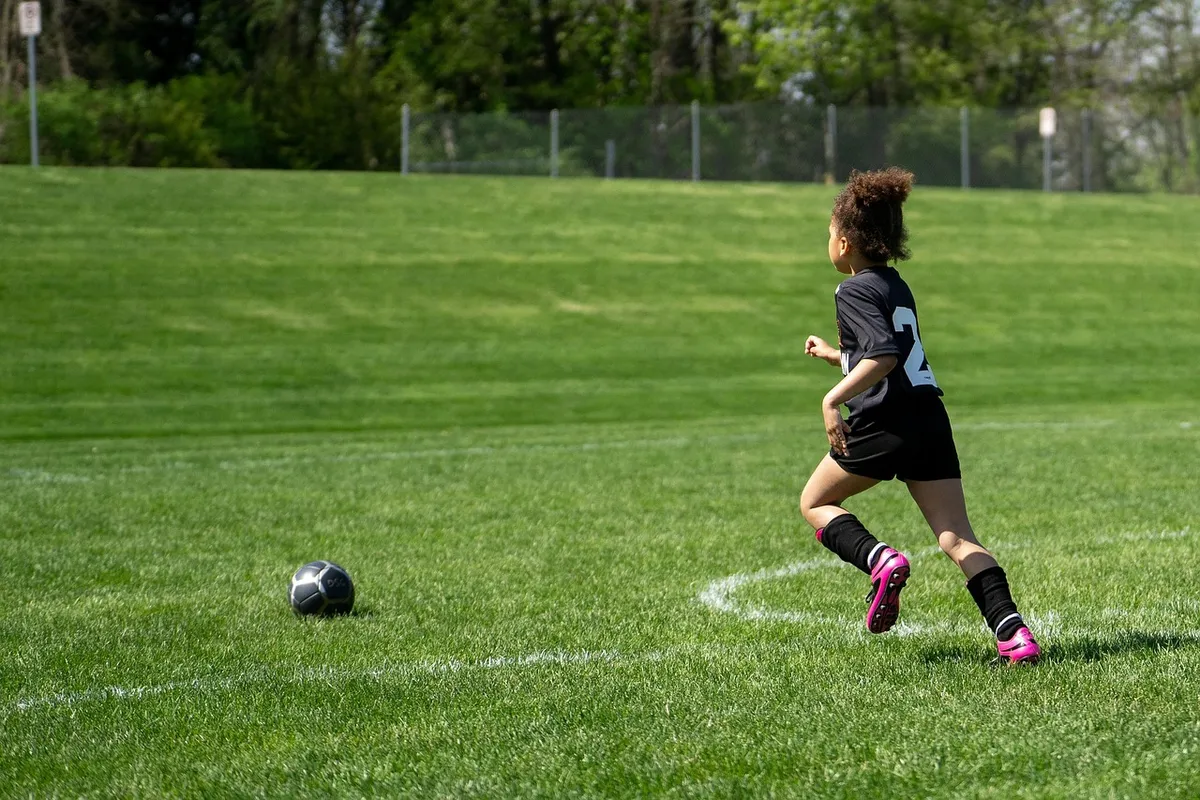
At sunset, the athlete wipes sweat from their brow while staring at the scoreboard to see how their placement affects the mountain team score.
A runner crosses the finish line, breathing heavily while checking the official timing clock. While their personal time is vital, they are also calculating their contribution to the national score.
The mountain running team scoring system typically integrates the results of multiple athletes to create a single representative score for a country. In these formats, individual times are often aggregated or the top finishers from a specific nation are used to determine a collective rank.
This ensures that a team's success depends on the depth of its talent rather than just one outlier.
This method of determining winners allows for a more comprehensive view of a nation's athletic standing. It prevents a single superstar from overshadowing the collective effort of a developing running program.
By focusing on multiple finishers, the competition rewards consistency across the entire roster.
- Calculate the finishing positions of the top runners.
- Sum the ranks of the designated scoring members.
- Assign the lowest total score to the winning team.
What are the international team rules?
An official begins reviewing the results list, checking the eligibility of each athlete against their registered federation. The atmosphere is tense as the distinction between individual and team categories becomes clear.

The international team rules are established by the global governing body to ensure fairness across different geographic regions. According to the World Mountain Running Association (WMRA), the organization oversees various championship formats that define how members participate.
These rules govern everything from athlete eligibility to the specific way results are recorded for team standings.
These regulations provide a standardized framework for all participating nations. By following a unified set of rules, the competition remains fair regardless of the specific terrain or altitude of the race venue.
This consistency is essential for maintaining the integrity of the international rankings.
In this sequence, the second step is the most extensive.
How does the mountain race team format work? A group of runners gathers at the starting line, eyes fixed on the rugged trail ahead. They know that every second lost affects not just their own time, but their standing in the team category.
The mountain race team format often differentiates between sprint-style championships and long-distance events.
For instance, the World Long Distance Mountain Running Championships, which was known as the World Long Distance Mountain Running Challenge from 2004 to 2014, provides a specific structure for endurance-focused competition.
This format allows for different types of skill sets to be recognized under the WMRA umbrella.
The variety in formats ensures that different types of mountain runners can find a place to compete. Whether the focus is on vertical gain or sheer distance, the structure supports diverse athletic profiles. This variety keeps the sport engaging for both athletes and spectators.
Managing mountain running team tactics
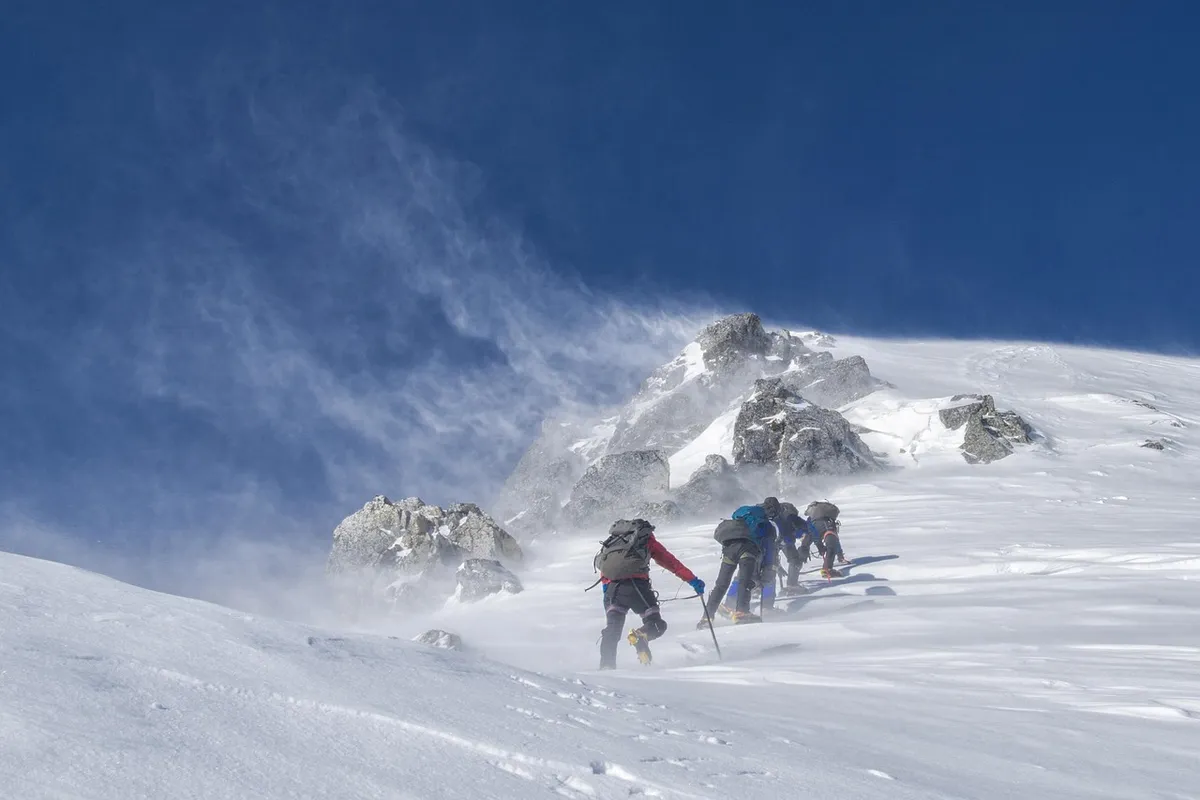
A coach watches the mid-race split times closely, signaling to a runner to maintain a steady pace for the sake of the group. The strategy is about managing energy to ensure the entire team finishes strong.
Effective mountain running team tactics involve balancing individual pacing with the need for consistent group performance. Teams must decide how to distribute their strongest runners to maximize points or ensure a solid finishing block.
This strategic layer adds a mental component to the physical challenge of the race.
Successful teams often prioritize a cohesive group over a single fast runner. This approach requires discipline and a clear understanding of how individual efforts translate into the final score. It turns a solitary sport into a collaborative effort.
Comparing championship structures
The following table compares the two primary championship types mentioned in the historical records of the sport.
| Championship Type | Historical Name/Context |
|---|---|
| World Mountain Running Championships | Known as World Mountain Running Trophy until 2008 |
| World Long Distance Mountain Running Championships | Known as World Long Distance Mountain Running Challenge (2004–2014) |
I carefully compared these different competition names to understand how the sport has evolved over time.
How to participate in a team competition?
A runner prepares their gear, ensuring they have the proper identification and team affiliation clearly marked. They check the registration requirements one last time.
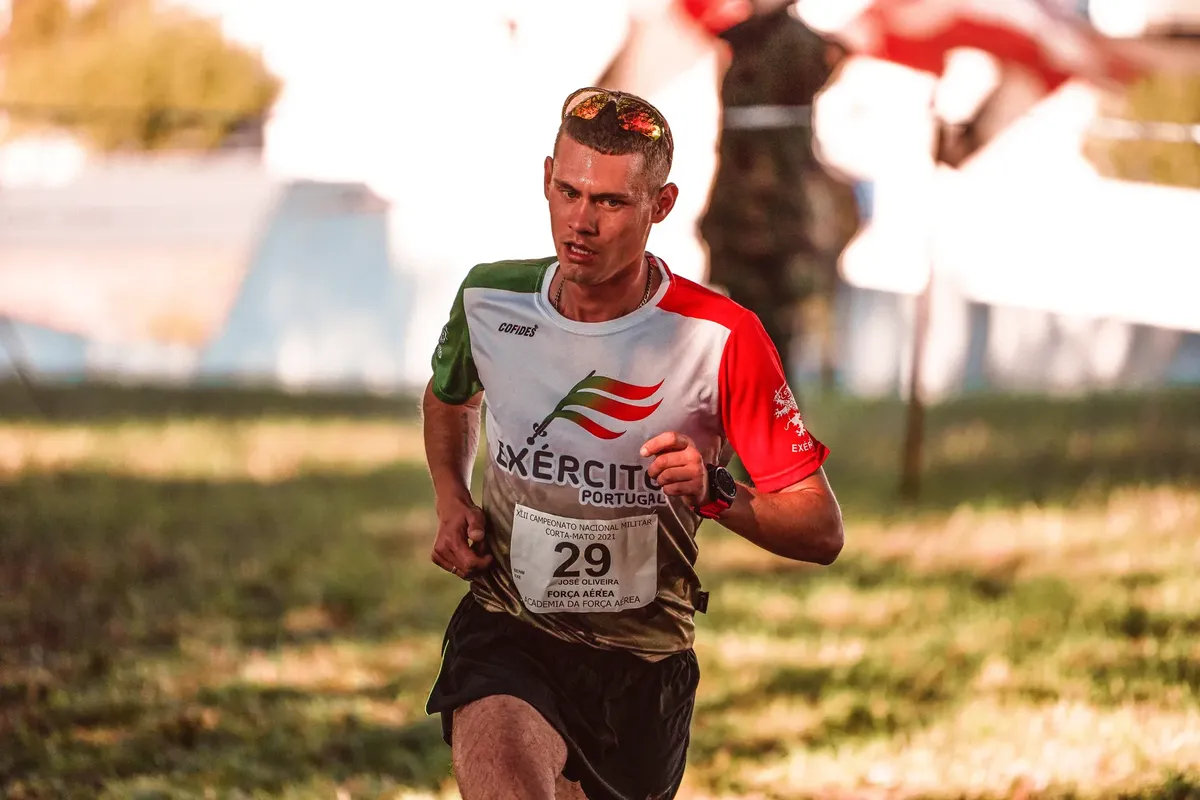
To participate in these structured competitions, follow these steps:
- Verify eligibility through your national federation to ensure you meet all WMRA membership requirements. 2. Coordinate with your national team coaches to understand the specific scoring rules for the event you are entering. 3. Align your personal training plan with the tactical needs of the team format, such as pacing for a collective score.
Always perform a final check of the technical manual for the specific race to ensure you are adhering to the most current rules regarding team registration and scoring.
The same subject is also called trail running team ranking.
The same subject is also called WMRA team competition.
The same subject is also called team vs individual scoring.
Related







Comments 0