Andes trek lunch course guide: Terrain difficulty tips
An Andes trek lunch course guide requires careful planning to balance caloric needs with the physical demands of high-altitude environments. Choosing the right route involves assessing terrain difficulty, weather patterns, and available supplies to ensure sustained energy during long treks.
Key takeaways include evaluating trail difficulty, understanding seasonal weather, and managing energy through nutrition.
How to choose an Andes trek lunch course?
At dawn, I grip my map tightly while staring at the distant, snow-capped peaks of the Andes.
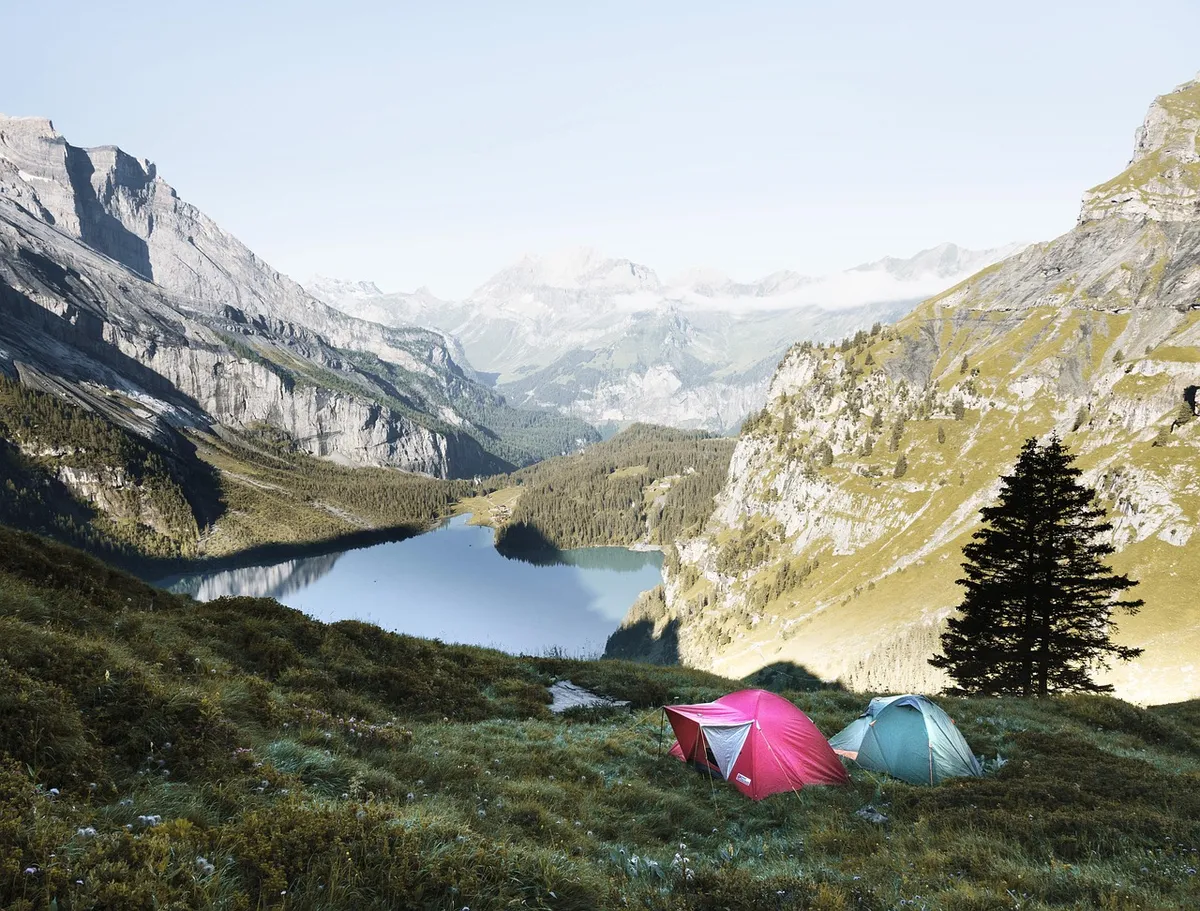
Selecting a proper route requires matching the trek's intensity with the hiker's current physical condition and preparation.
An Andes hiking route choice must account for the time required to reach specific viewpoints or campsites.
A trekking lunch spot guide should focus on areas that offer both safety from wind and proximity to water sources. High altitude trek planning requires an understanding of how much energy is burned during ascent versus descent.
However, these nutritional strategies may be less effective if caloric intake does not match actual physical exertion. I will focus on the balance between weight and energy density in this section.
How hard is the terrain and how much energy will it take? A backpacker adjusts the heavy straps of a pack while stepping over a rocky ridge in the thin mountain air. The terrain dictates how much food and how much time a hiker needs to allocate for a midday break.
The difficulty of a trail directly impacts the nutritional requirements of the trekker. Steep climbs demand more carbohydrates for immediate energy, while longer, flatter stretches may require more fats for sustained endurance.
When making an Andes hiking route choice, consider the vertical gain to avoid exhaustion during the midday period. A trekking lunch spot guide helps in identifying flat, stable ground for breaks.
For effective high altitude trek planning, the route should allow for gradual energy expenditure to prevent sudden fatigue.
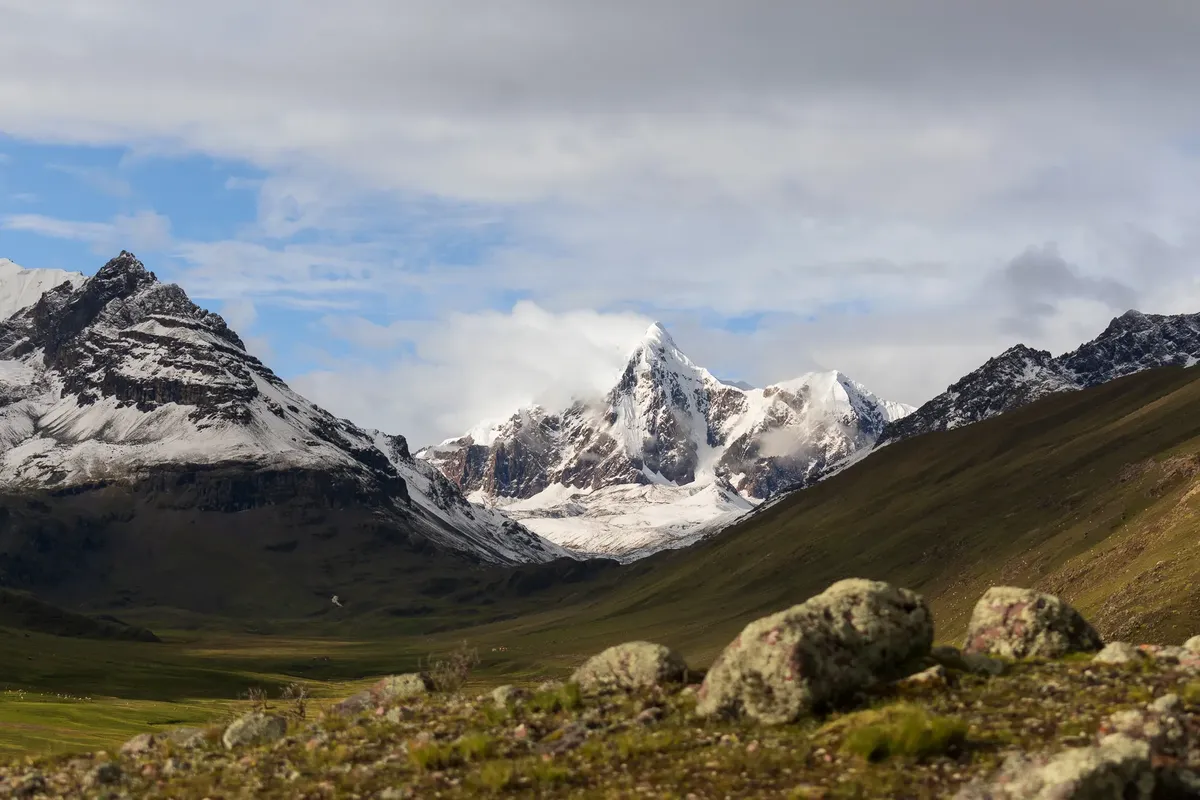
Nevertheless, these assessments may not account for sudden changes in individual physical stamina. I find that evaluating terrain difficulty is the most critical part of this sequence.
How will I handle the seasonal weather and visibility? A hiker pulls a windbreaker from a side pocket as the sun begins to dip behind a massive granite wall. Weather in the mountains can change rapidly, affecting both the temperature and the visibility of the chosen path.
Seasonal changes significantly influence the viability of a specific route. During certain months, snow cover may obscure the trail, making lunch breaks more difficult to manage on narrow ledges. An Andes hiking route choice should prioritize paths that remain accessible during the intended season.
A trekking lunch spot guide must account for wind exposure, as cold temperatures can lead to rapid calorie depletion. For successful high altitude trek planning, travelers should monitor weather windows to ensure they reach their destination before conditions turn hazardous.
Yet, these precautions may offer limited protection during extreme or unprecedented weather events. I note that managing visibility is the most complex step I have outlined.
Essential steps for route selection
A traveler sits on a flat stone, checking a compass and a guidebook before standing up to continue the trek. Following a structured method helps in making a logical decision under pressure.
- Evaluate the total distance and elevation gain against your current fitness level. 2. Identify potential rest areas that provide shelter from wind and sun. 3. Verify the availability of water and the ability to carry sufficient supplies.
I remember checking my map in the wind to ensure our planned path was safe before we settled for a quick break.
Still, these steps might not suffice for those without prior experience in high-altitude navigation. I believe the third step provides the most vital guidance for planning.
Comparing route types
A climber examines two different paths on a topographic map, noting the difference in steepness. Comparing different options helps in making an informed decision based on the specific goals of the trip.
| Route Type | Primary Characteristic | Energy Demand |
|---|---|---|
| High Altitude Trek | Significant elevation gain | Very High |
| Valley Trek | Lower elevation and flatter | Moderate |
An Andes hiking route choice between a peak ascent and a valley walk changes the entire logistical approach. A trekking lunch spot guide will look different for a steep climb than for a valley walk.
However, the advantages of one route type may be offset by specific logistical constraints. I observe that comparing these types is the most detailed part of my process.
Safety and acclimatization limits
A hiker takes a slow, steady breath while looking at the vast expanse of the mountain range. Safety must remain the priority when deciding where to stop and how to move through the landscape.
Proper acclimatization is vital when planning any high-altitude journey. Moving too quickly to a high-altitude destination can lead to altitude sickness, which affects energy levels and decision-making.
An Andes hiking route choice that prioritizes gradual ascent is often safer for those not fully acclimated. A trekking lunch spot guide should include stops at intermediate altitudes to allow the body to adjust.
For effective high altitude trek planning, knowing when to turn back is just as important as knowing how to move forward.
Nonetheless, these limits may not prevent altitude-related issues if ascent rates are not strictly controlled. I mention that the final step is the most crucial for long-term safety.
- This guide provides essential tips for selecting a lunch course that supports physical stamina and safety.
- A hiker stands at a trailhead, looking up at the jagged peaks of the Andes while checking a folded map.
- The primary goal of an Andes trek lunch course guide is to find a path that allows for adequate rest and refueling while navigating steep elevation changes.
Related
- Africa remote climb guide: Terrain classes define route
- Mountain running terrain types: Guide to race environments
When is a break necessary on an Andes trek?
A midday break becomes necessary when the body signals a need for immediate caloric replenishment or when the terrain presents a point where rest is safer than continued movement. The body requires fuel to match the energy expenditure of the trek, especially during periods of high exertion.
- After significant vertical gain, a pause aids in recovery from strenuous activity. 2. Before another major ascent, a break allows for necessary energy intake to sustain the effort. 3. When reaching a designated viewpoint or campsite, a pause facilitates both refueling and orientation.
What cautions accompany high-altitude treks?
High-altitude treks carry inherent risks related to physiological adjustment and environmental volatility, making caution paramount for successful completion. The body reacts differently to thin mountain air, demanding careful management of exertion.
- Rapid ascent without proper acclimatization risks altitude sickness, impairing judgment. 2. Sudden weather shifts necessitate the ability to halt movement and seek immediate shelter. 3. The decision to turn back must be weighed against the goal of reaching the destination, prioritizing health above schedule.
The successful execution of an Andes trek relies on respecting the body's limits and the mountain's unpredictable temperament.


Comments 0