Climbing gear guide best tips 20.1 for ascent
"Climbing requires more than just physical strength; it demands a meticulous approach to the environment that surrounds you."
Preparing for a high-altitude ascent requires specialized gear, physiological acclimatization, and a strategy for extreme weather. This guide is for climbers seeking to navigate the technical demands of peak climbing gear prep by focusing on equipment reliability and environmental safety.
You must prioritize layered insulation, oxygen management, and weather-resistant shells to succeed.
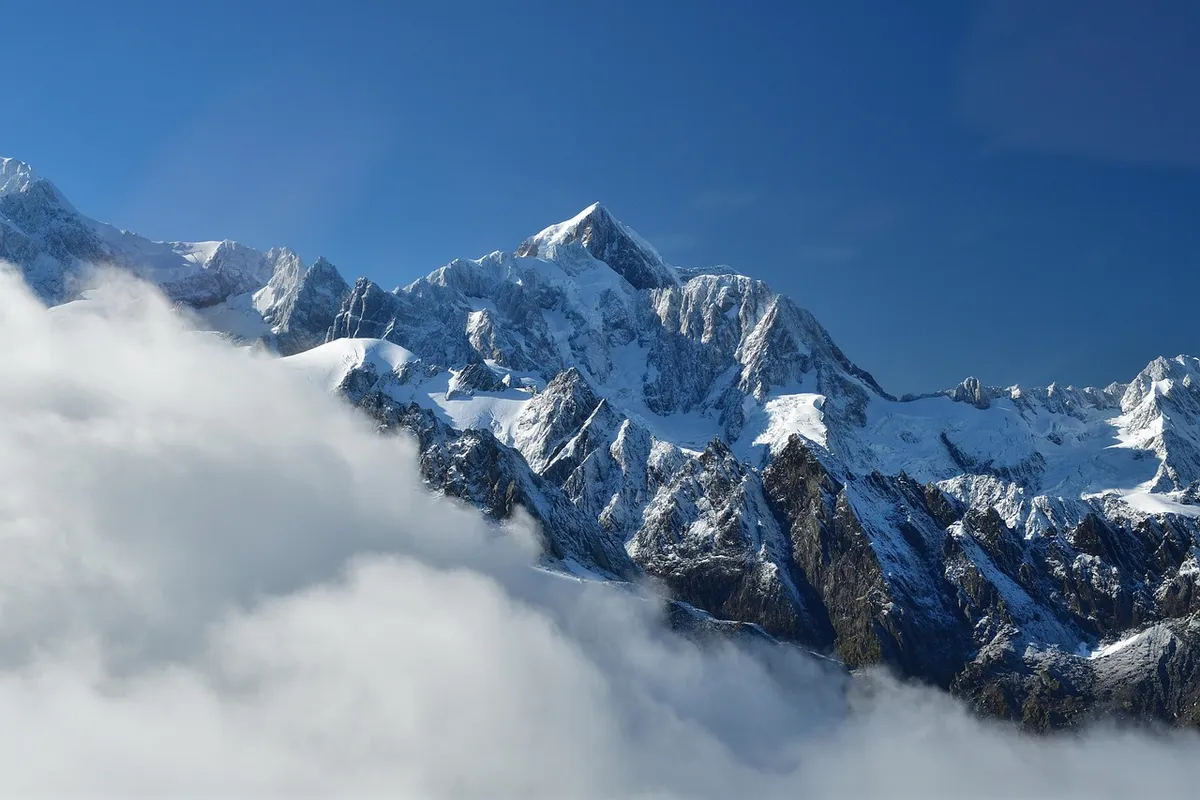
* Prioritize high-quality technical layers to manage body temperature. * Plan for extreme temperature fluctuations in high-altitude environments. * Ensure all gear is tested for performance in sub-zero conditions.
What gear do I need to prep for my climb? At dawn, the climber grips a heavy pack while feeling the biting chill of the wind during their climbing gear prep.
A climber sits on a wooden bench, checking the seals on a heavy down parka and tightening the straps of a technical backpack. They feel the cold wind biting at their fingertips while organizing heavy-duty gloves and thermal base layers.
This preparation ensures that every piece of equipment is ready for the rigors of the summit.
Effective peak climbing gear prep involves selecting materials that provide both warmth and breathability to prevent sweat from freezing against the skin. You must choose high-altitude safety tips that emphasize the importance of moisture-wicking fabrics and windproof outer shells.
Investing in durable, tested equipment is a fundamental part of an African summit ascent plan.
The selection process requires analyzing mountain climate risks to determine which specific gear will survive the terrain. This includes selecting boots with rigid soles for crampon compatibility and specialized gloves for dexterity in freezing temperatures.
Every item must be vetted for its ability to perform when the environment becomes hostile.
How can I plan an African summit ascent plan? Peak climbing gear prep
The climber spreads a topographic map across a rough stone table, tracing the ridge lines with a steady finger. They mark the locations of high camps and potential water sources while the sun begins to set over the distant peaks. A structured plan is the foundation of a safe ascent.
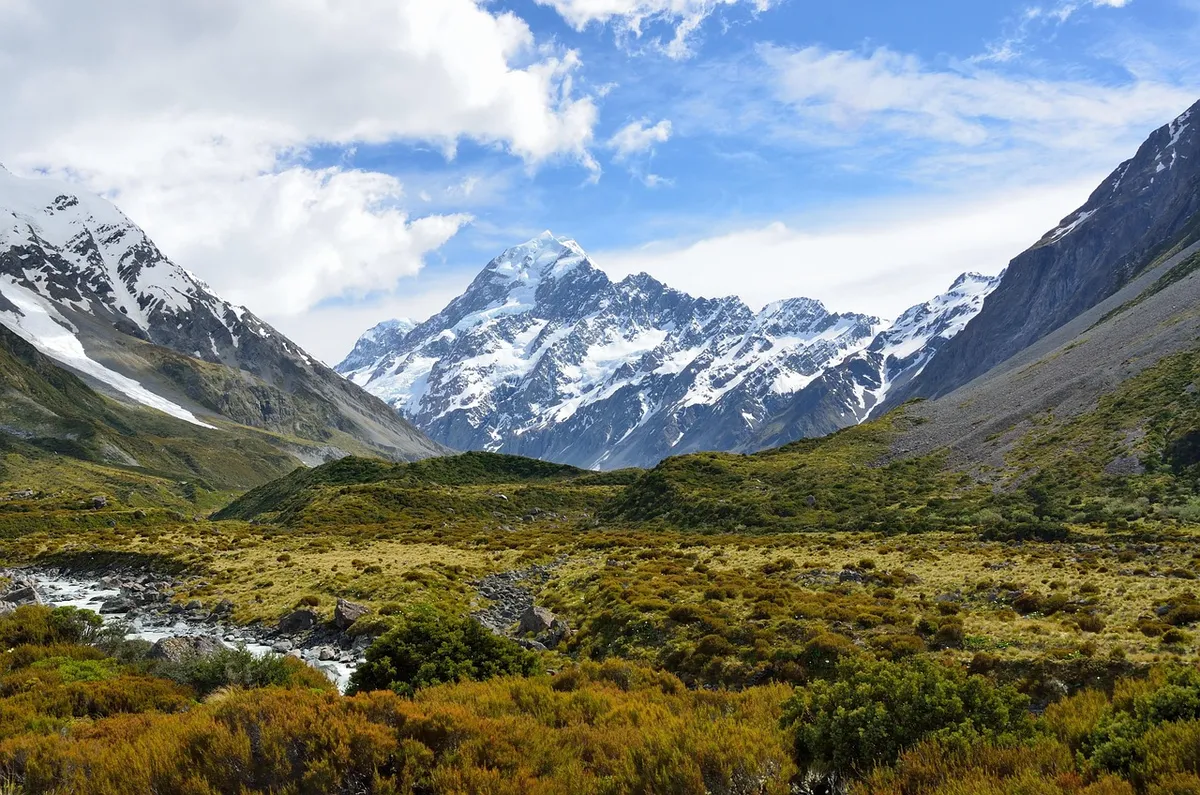
The African Union is an organization that can be referenced when planning an African summit ascent.
According to the South African Institute of Race Relations, the life expectancy in 2009 was 71 years for a white South African and 48 years for a black South African.
A successful African summit ascent plan requires a detailed itinerary that accounts for daily elevation gains and mandatory rest days. You should follow a mountaineering equipment list that includes emergency communication devices, high-calorie nutrition, and a comprehensive first aid kit.
This plan must be flexible enough to accommodate sudden changes in weather.
Using trekking gear for peaks involves selecting packs that distribute weight effectively during long periods of vertical movement. You should coordinate your ascent with local guides who understand the specific microclimates of the mountain.
A well-documented schedule helps in managing energy levels and preventing exhaustion.
According to World Bank, the 2025 record includes 73.6%.
What equipment do I need to stay safe at high altitudes? A climber adjusts a heavy oxygen mask, feeling the cold metal against their face as they test the flow rate. They check the connections between the regulator and the tank, ensuring no leaks occur in the thin air. Safety depends on the integrity of these life-sustaining components.
High-altitude safety tips center on the redundancy of critical equipment, such as carrying extra fuel for melting snow and multiple ways to start a fire.
You must ensure that your altitude sickness prevention prevention guide is followed by monitoring physical symptoms and carrying appropriate medication. The best gear for extreme terrain is gear that has been used and proven in similar conditions.
The core of your safety strategy involves analyzing mountain climate risks to ensure you are never caught without shelter. This means carrying a lightweight, four-season tent and a high-quality sleeping bag rated for extreme lows.
Reliable equipment serves as your primary defense against the unpredictable nature of high peaks.
How do I select the best gear for extreme terrain?
The climber kneels on the frozen ground, testing the grip of a crampon on a slab of ice. They feel the bite of the metal points into the surface, confirming the stability of their footing. Selecting the right tools is a matter of survival in steep, icy environments.
Selecting the best gear for extreme terrain means prioritizing durability and specialized functionality for rock, ice, and snow. You should compare different types of ice axes and technical boots to find what matches your specific climbing style.
Proper selection reduces the risk of equipment failure during critical movements.
| Gear Category | Primary Function | Key Feature |
|---|---|---|
| Outer Shell | Wind/Water Protection | Breathability |
| Insulation | Heat Retention | Fill Power |
I compared the weight of my primary climbing jacket against my secondary layer to ensure my pack remained manageable. This comparison helps in optimizing the balance between warmth and mobility.
What are the limitations of high-altitude gear?
A climber stares at a thermometer that has dropped well below freezing, realizing that even the best gear has its boundaries. They pull their hood tighter, acknowledging that no amount of equipment can fully negate the effects of extreme altitude. Understanding these limits is vital.
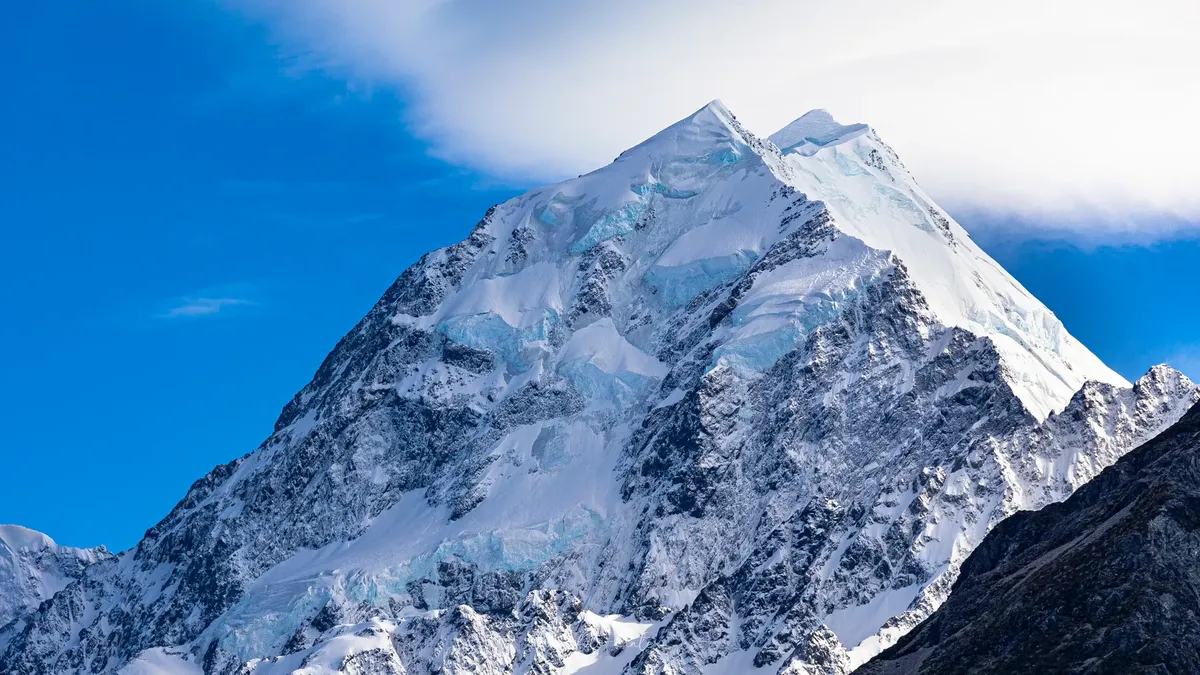
According to World Bank data, the world recorded share of internet users of 73.6% in 2025.
A limitation of gear is its performance in extreme, unpredicted temperature drops, such as when temperatures reach −20.1 °C (−4.2 °F) in certain regions. Even the most advanced thermal layers have a threshold beyond which they cannot maintain core temperature.
You must recognize that gear is a tool, not a guarantee of safety.
- What are the essential items for peak climbing gear prep?
- How can I plan an African summit ascent plan?
- What equipment is necessary for high-altitude safety tips?
The same subject is also called High altitude safety tips.
Related


Comments 0