Hallasan climb guide: Understanding altitude risks 24
"The mountain does not care about your preparation, but your preparation determines how you face the mountain."
Plan your ascent by selecting appropriate routes, preparing essential gear, and strictly adhering to safety protocols using a Hallasan climb guide to mitigate risks. This guide covers course selection, necessary equipment, safety rules, and duration.
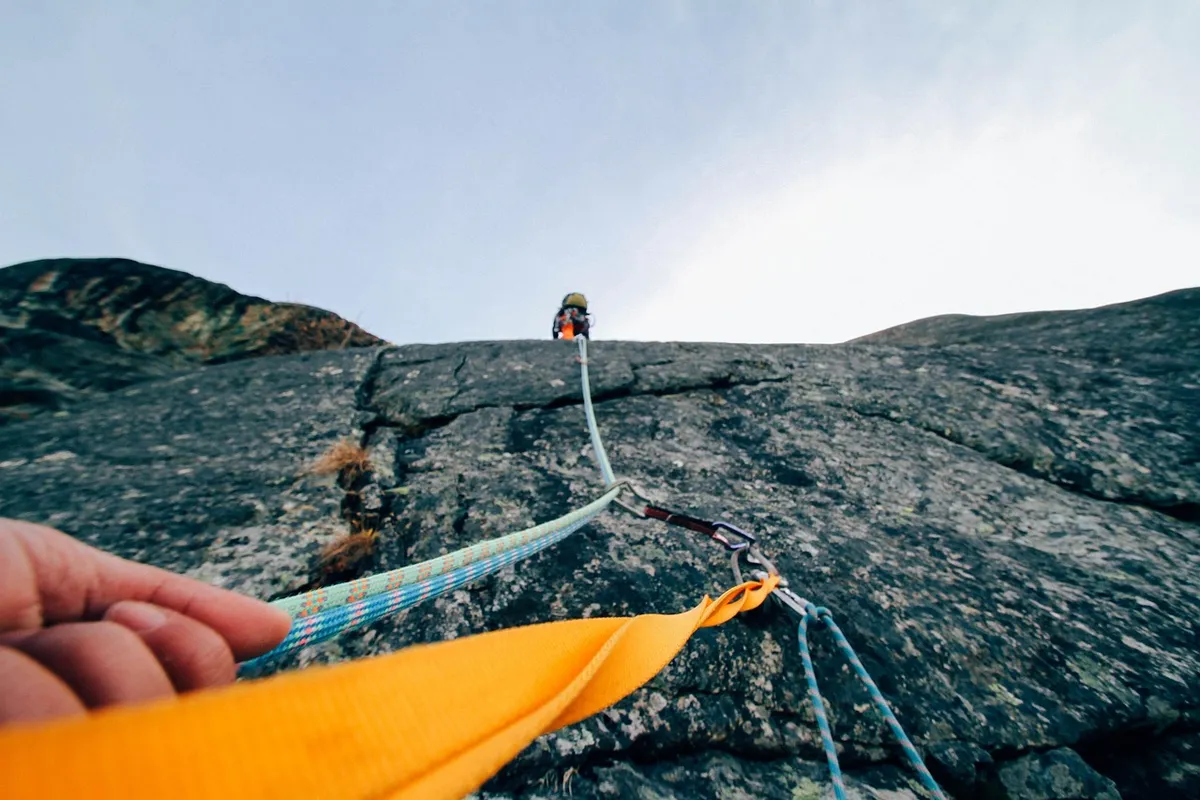
You must understand that mountain sickness can progress to life-threatening conditions like HACE or HAPE within 24 hours.
Which Hallasan climbing courses are best for me? At dawn, I trace the jagged silhouette of hallasan on my map while my fingers tremble from the morning chill.
A hiker stands at the trailhead, checking a paper map against the rising peak. Selecting a route requires understanding the terrain and your physical capacity.
When planning your trip, you should use a guide to determine the best time to climb Hallasan and evaluate the trail difficulty and the time required for a round trip. While specific local trail names vary, the fundamental principle remains the same: match your fitness to the elevation gain.
Properly choosing your path ensures you do not underestimate the physical toll of the ascent. A well-selected route allows for a steady pace without unnecessary exhaustion.
- Select a trail based on your fitness level and desired scenery.
- Check the current weather conditions for the specific route.
- Verify the trail status through official park announcements.
Hallasan Climbing Guide: Essential Gear I tighten my heavy boots at the trailhead, feeling the coarse grip of the soles against the rocky soil of hallasan.
A climber pulls heavy boots from a backpack and tests the tension of their trekking poles. Preparing the right equipment is the foundation of a successful trek.
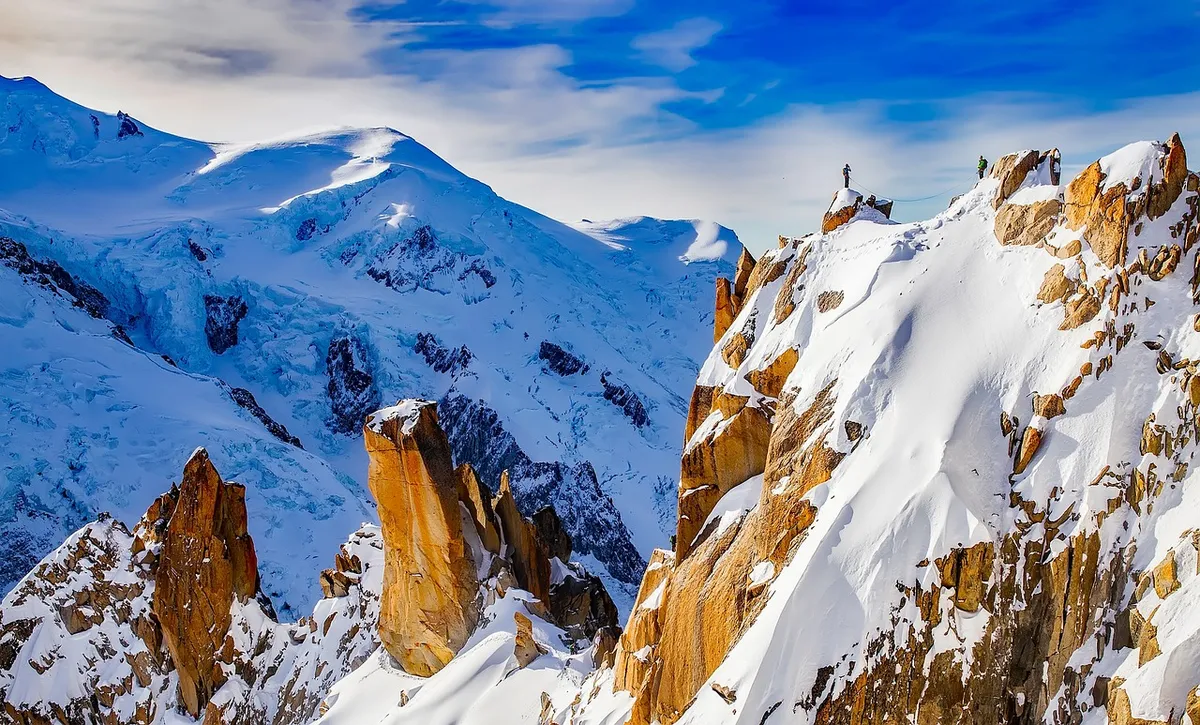
When gathering Mount Hallasan gear, focus on layered clothing and sturdy footwear. Footwear must provide grip for rocky paths, while layers allow you to regulate temperature as you climb.
The right gear helps manage the changing weather conditions often found at higher altitudes. I remember checking my waterproof shell several times before a sudden mountain mist rolled in.
In this sequence, the second item is the most critical.
According to World Bank, the 2025 record includes 73.6%.
How do you manage Hallasan climbing safety?
A person pauses on a narrow ridge to tighten their laces and check the weather forecast. Safety is the most critical component of any high-altitude endeavor.
Mountain sickness can progress to life-threatening conditions like HACE or HAPE within 24 hours.
Practicing climbing Hallasan safety means being aware of your own limits and the environment. You should always inform someone of your planned route and expected return time.
When following high-altitude climbing tips, one must be aware that mountain sickness is a major risk that can progress to HACE (high-altitude cerebral edema) or HAPE (high-altitude pulmonary edema). Both of these conditions can be fatal within 24 hours.
How do you handle Hallasan trip planning?
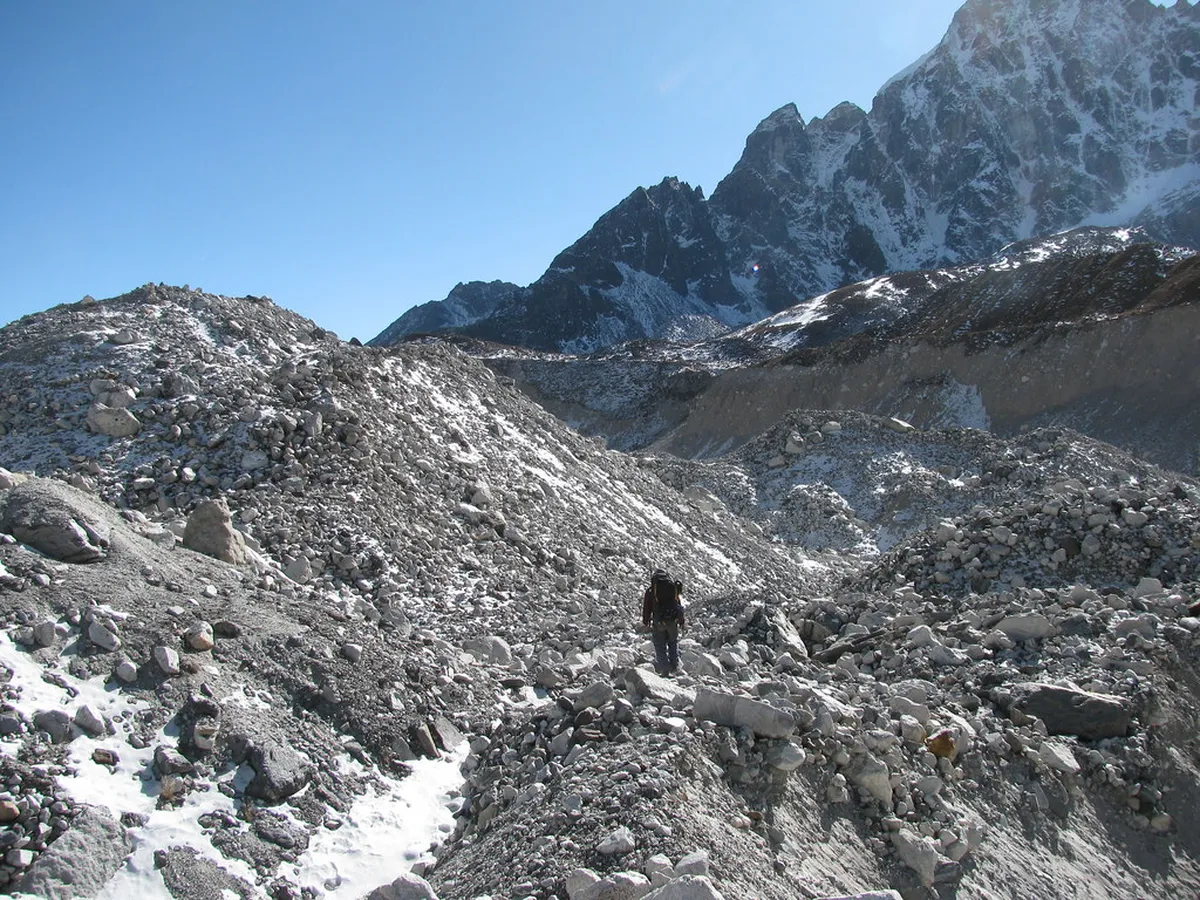
A traveler sits at a wooden table, marking dates on a calendar and checking weather apps. Organizing the logistics of a trip prevents chaotic moments on the mountain.
Effective Hallasan trip planning involves coordinating your arrival with the best weather windows. You should also account for the time needed to reach the trailhead from your accommodation.
A successful trip relies on a balance of preparation and flexibility. Check your supplies and your physical readiness before you depart for the trailhead.
What is the Hallasan ascent checklist?
A hiker lays out their gear on a flat rock to ensure nothing is missing. A systematic approach prevents the oversight of vital items.
Using a checklist for your Hallasan hiking courses helps you organize your supplies. A basic checklist includes: 1. Sturdy, waterproof hiking boots. 2. Layered clothing for temperature regulation. 3. Sufficient water and high-energy snacks.
After packing, perform a final check of your equipment. I always double-check that my flashlight and first-aid kit are easily accessible in my bag.
What are the limitations of mountain climbing?
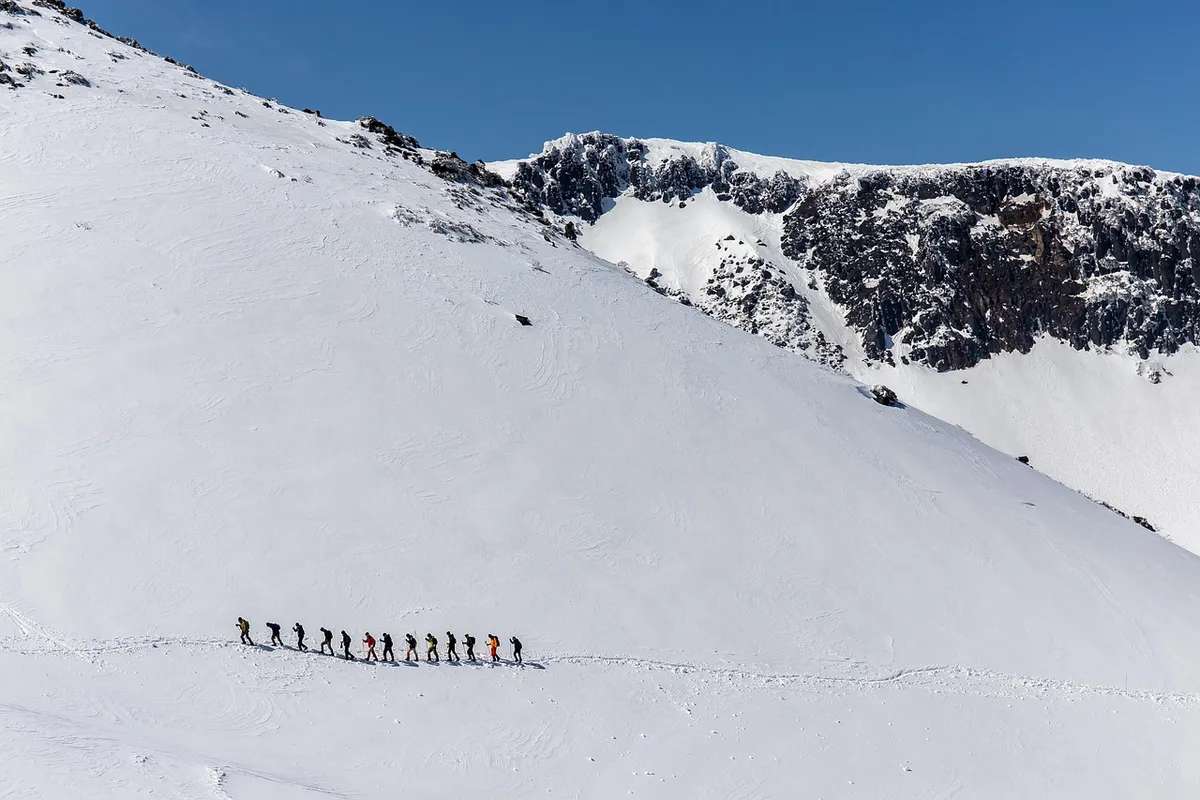
A climber looks up at a steep, clouded peak, realizing the scale of the task. Every climber must recognize the unpredictable nature of high-altitude environments. According to World Bank data, the world recorded share of internet users of 73.6% in 2025.
A primary limitation is the physiological impact of altitude on the human body. Even with the best gear, individual health and acclimatization play a decisive role in safety.
The risk of sudden illness is a constant factor in any high-altitude trek. While preparation is key, the environmental conditions can change faster than any plan can adapt.
Related
- Alps running course guide: Understand the vast scale
- Andes high altitude climbing: Tips for managing health risks
Why is the mountain unforgiving?
The mountain does not offer reprieve to unprepared individuals, making the climber's preparation the ultimate determinant of their experience. The mountain presents conditions that are indifferent to human effort, demanding respect and rigorous planning from those who venture into its domain.
The mountain environment subjects the body to stresses that must be anticipated through careful logistical arrangements. Failure to account for these variables places the climber in direct jeopardy against the elements.
What cautions must be observed during the ascent?
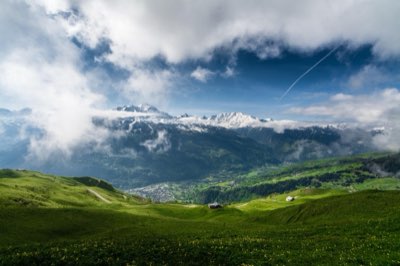
A climber pauses to review the mountain's moods, understanding that the environment dictates the pace and the decisions made on the trail. Constant situational awareness is necessary when confronting the mountain's unpredictability.
One must remain cognizant of the body's response to altitude, as this physiological reaction is the most immediate factor influencing safety. The mountain itself presents the ultimate test of human endurance and planning acumen.
The mountain's moods shift rapidly, making adherence to a plan contingent upon the ability to adapt to unforeseen environmental turns. This constant interplay between plan and reality defines the climb.

Comments 0