Atlas Mountains camping guide: Routes span 2,500 km
"The mountains stand as a massive barrier, carving the landscape between the vast Sahara and the sea."
Planning an Atlas mountain camping guide requires understanding the vast 2,500 km (1,600 mi) span that stretches through Morocco, Algeria, and Tunisia. This guide covers essential routes, weather considerations, and gear preparation for high-altitude environments.
Key takeaways include preparing for variable precipitation, understanding the cool climate, and managing the geographic scale of the range.
How do the Atlas mountain camping routes look?
At dawn, I squint against the bright sun while tracing the winding paths of the atlas on my worn paper map.
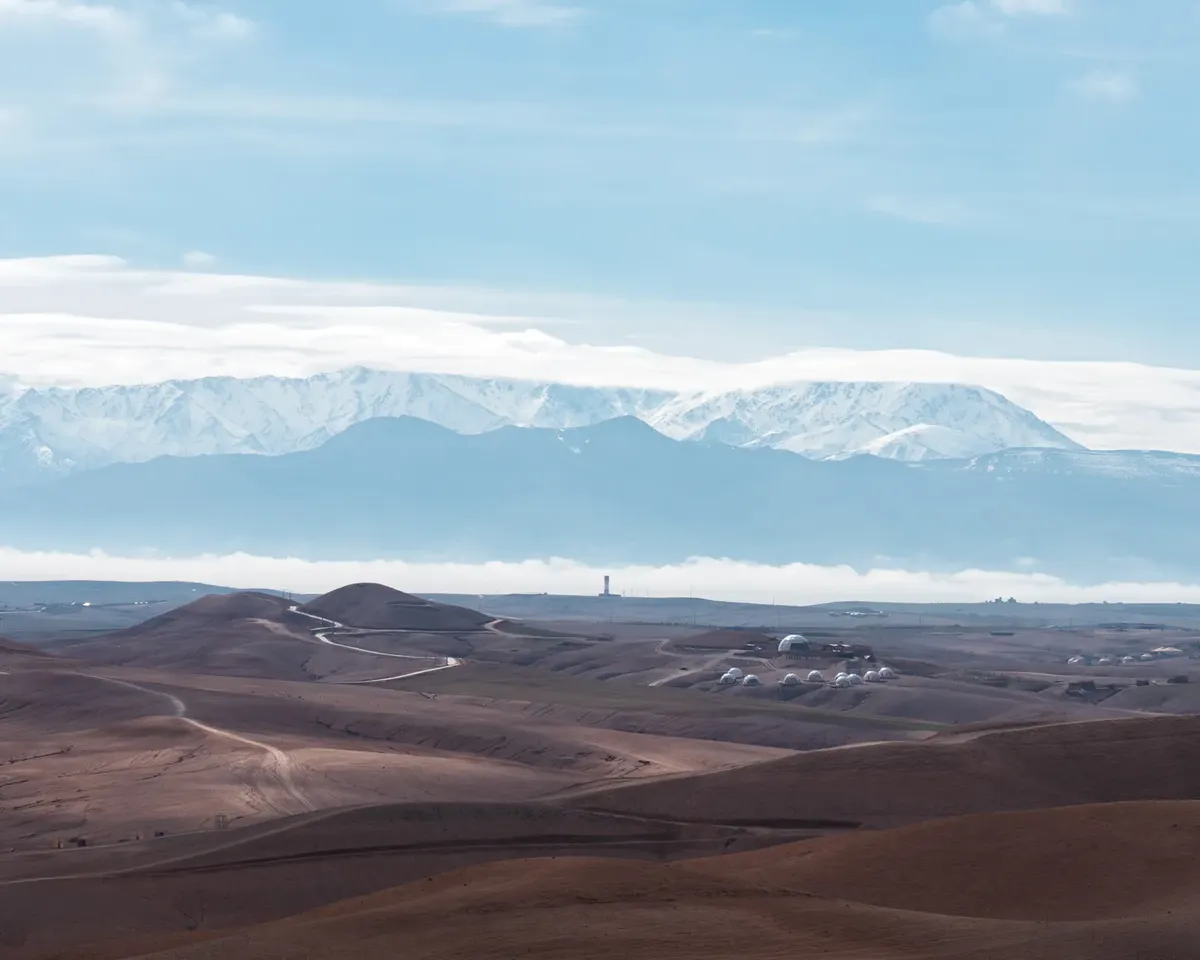
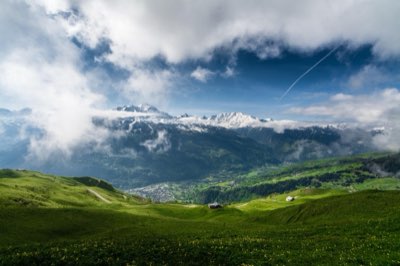
A traveler stands on a ridge, looking toward the horizon where the peaks meet the sky. The Atlas mountain camping routes cover a diverse landscape that separates the Sahara from the Mediterranean Sea and the Atlantic Ocean.
Because the range is so expansive, choosing a route depends on whether you seek the drier western stretches or the more humid eastern sections.
The geography of the range is massive, spanning approximately 2,500 km (1,600 mi) across North Africa. This scale means that different regions offer vastly different trekking experiences.
Some routes follow the rugged terrain through Morocco, while others navigate the higher altitudes of Algeria or the peaks in Tunisia.
The terrain changes significantly depending on the specific location. For instance, the eastern half of the Tell Atlas offers a much more humid climate compared to other parts of the range. This variation means your chosen path will dictate both the scenery and the physical challenges you face.
- Identify your preferred terrain, such as rocky ridges or lush valleys.
- Map out the elevation changes between trailheads and campsites.
- Check the proximity of water sources along the route.
What kind of weather will I face while camping high up? Atlas Mountains camping guide A hiker pulls a jacket closer as the temperature drops during a sunset. High altitude camping in the Atlas requires constant awareness of shifting weather patterns. The weather is generally cool, but summers are often sunny, with an average temperature of 25 °C.

In the eastern regions, such as the Collo Peninsula or near Ain Draham, the climate is notably wetter. Annual precipitation can reach well above 1,000 mm (39 in) and sometimes exceeds 1,500 mm (59 in). These wet conditions can make certain trails slippery and require specialized waterproof gear.
When planning your trip, you must account for these sudden shifts. A sunny afternoon can quickly turn into a rainy or cool evening. Preparing for these fluctuations is essential for anyone attempting Atlas trekking camping tips for a safe journey.
In this sequence, the second step is the most significant.
What gear do I need to pack for Atlas camping?
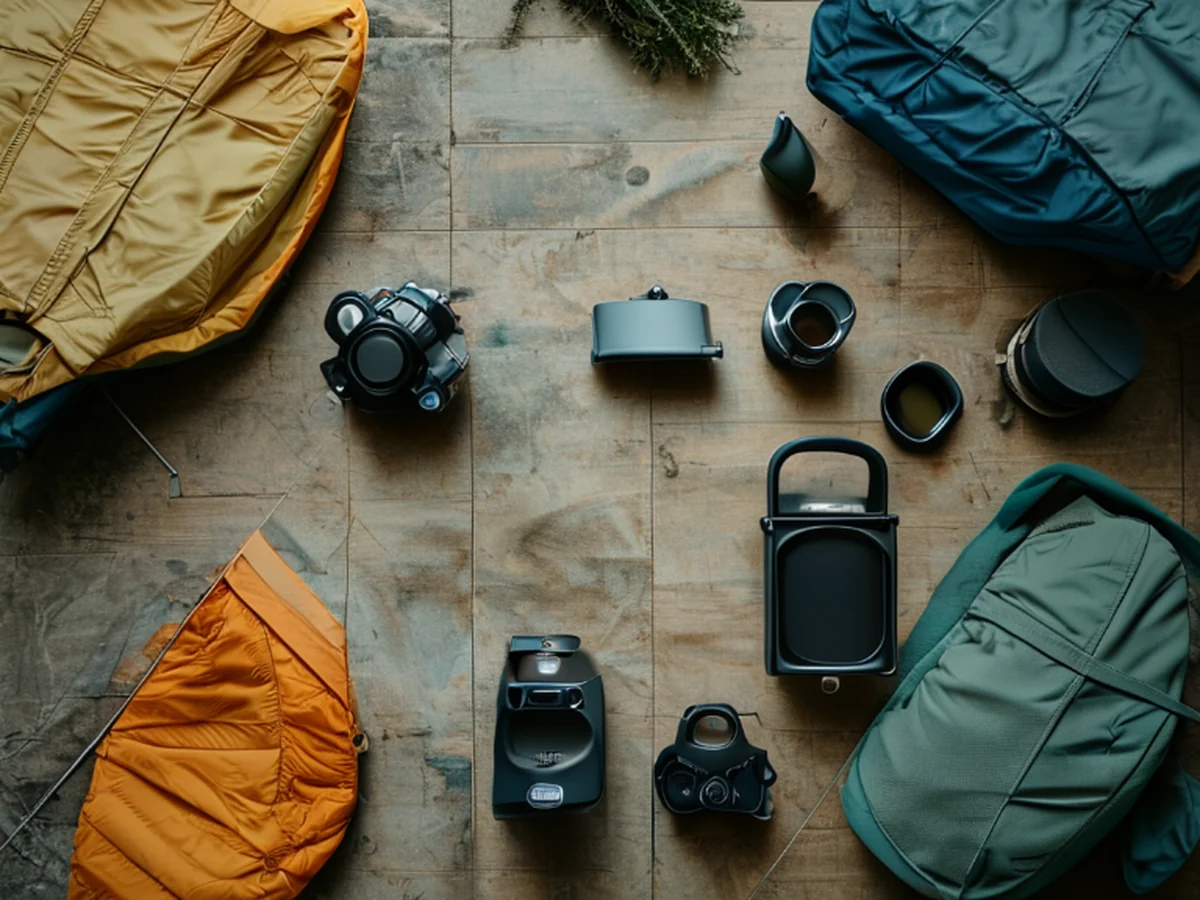
Before dawn, I tighten the straps of my heavy pack while feeling the rough texture of the atlas map in my hands. A camper lays out a sleeping bag and a sturdy tent on the forest floor. An effective Atlas camping gear list must prioritize temperature regulation and moisture protection. Because the average temperature is 25 °C but can drop significantly, layered clothing is a necessity.
Since precipitation can exceed 1,500 mm (59 in) in some areas, high-quality waterproof shells and reliable tent rainflies are mandatory. You should also pack gear suitable for both the sunny summer days and the cool, humid nights.
The variety in terrain means sturdy, broken-in hiking boots are essential for traversing rocky paths. I once packed several extra pairs of wool socks to manage the dampness of a humid trek. Reliable gear ensures that the environment does not become a primary obstacle to your journey.
How to manage choosing Atlas campsites?
A group gathers around a small stove to prepare a warm meal. Choosing Atlas campsites involves finding locations that offer protection from the wind and access to water. In the more humid eastern sections, finding a dry spot is a primary concern.
- Identify a site with natural windbreaks, such as rock formations or dense vegetation, to protect your tent. 2. Check the ground for stability, especially in areas prone to high precipitation where soil might be soft. us
- Ensure the site is located away from dry riverbeds that could flash flood during sudden rain.
Always perform a final check of the campsite before setting up your sleeping area. Ensure the area is clear of sharp objects and that your tent is securely staked against the wind. Selecting the right spot is the foundation of a successful camping trip.
What are the Atlas mountain camping rules?
A hiker looks at a trail marker before stepping onto a new path. Following local customs and environmental regulations is part of the essential Atlas mountain camping rules. Respecting the natural landscape ensures that these ancient mountains remain preserved for future travelers.
It is vital to practice Leave No Trace principles to protect the fragile high-altitude ecosystems. This includes proper waste disposal and avoiding the disturbance of local wildlife. In many areas, staying on marked paths helps prevent erosion in the variable terrain.
Always research local regulations regarding wild camping before you depart. Some regions may have specific restrictions on where fires can be lit or where tents can be pitched. Adhering to these guidelines helps maintain the integrity of the natural environment.
Can I camp in any part of the mountains?
A traveler consults a map while sitting on a large boulder. Limitations exist based on the specific geography and climate of the range. For example, the extreme aridity of some areas or the heavy rainfall in the Tell Atlas can make certain regions difficult to access.
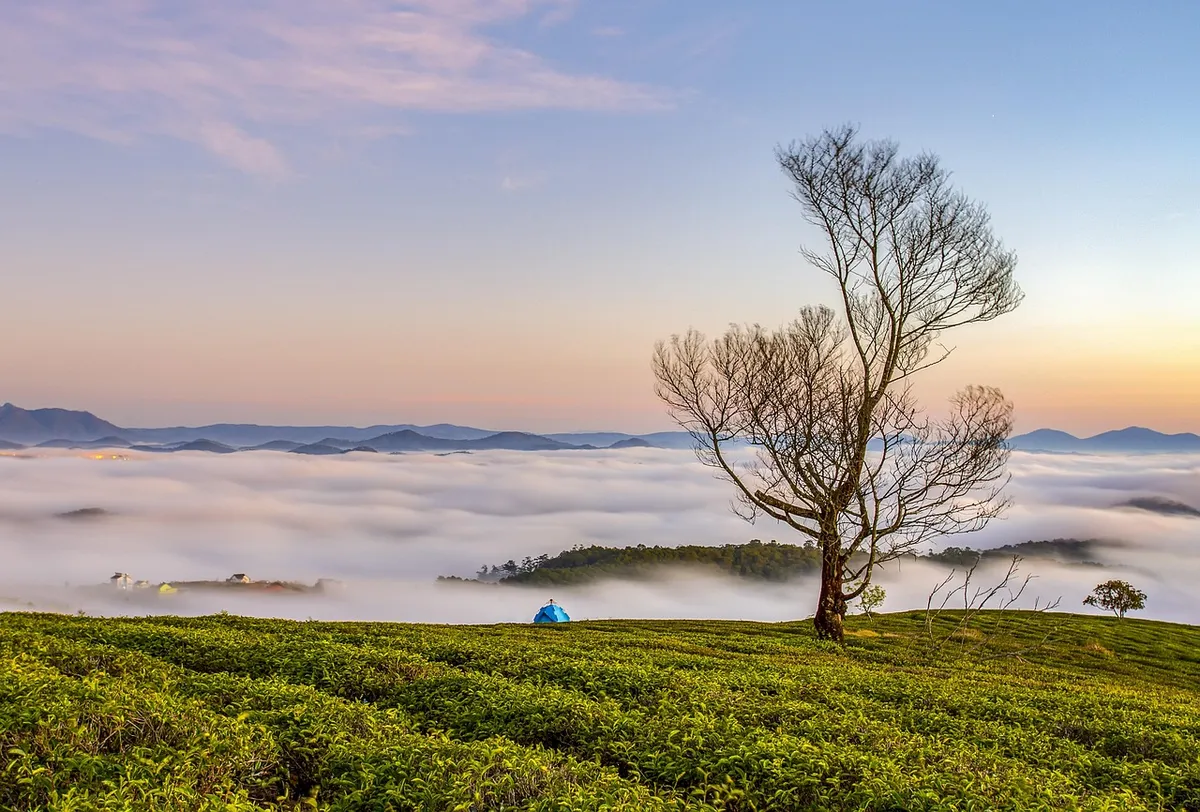
The geography of the range is massive, spanning approximately 2,500 km across North Africa.
The scale of the 2,500 km (1,600 mi) range means that some areas are much more remote than others. Accessibility can vary greatly between the Moroccan, Algerian, and Tunisian sections. It is not established that all parts of the range are equally suited for traditional camping.
The extreme weather in the eastern Tell Atlas, where precipitation can reach 1,500 mm (59 in), may limit camping in certain low-lying or extremely wet zones. Understanding these environmental constraints is key to planning a viable itinerary.
The subject here is Atlas Mountains camping guide.
The same subject is also called High altitude camping Atlas.
The same subject is also called Camping in Atlas Mountains.
Related


Comments 0